

Not really. The vast majority of Chinese mini PCs from reputable brands like Beelink, Minisforum, and GMKtec do not contain spyware or malware.
There was one notable incident in 2024 when AceMagic shipped a batch of systems with malware, but this was likely an isolated manufacturing error that was quickly resolved, not intentional spyware.
Independent security testing of major Chinese mini PC brands consistently shows clean systems.
The fact that independent security firms (both governmental and non-profit) regularly inspect these imported machines, it would be nearly impossible and unsustainable for these companies to intentionally add malware to the products of their primary market (billions in annual revenue from the US alone).
However, as with any computer purchase, performing a fresh Windows installation is always the safest practice to guarantee a clean system.
Moreover, installing free anti-malware and antivirus software like Malwarebytes & Bitdefender will ensure almost complete protection for most users. Unless you plan to sell commercial servers or cloud hosting services.
The Spyware Question: Why People Are Concerned
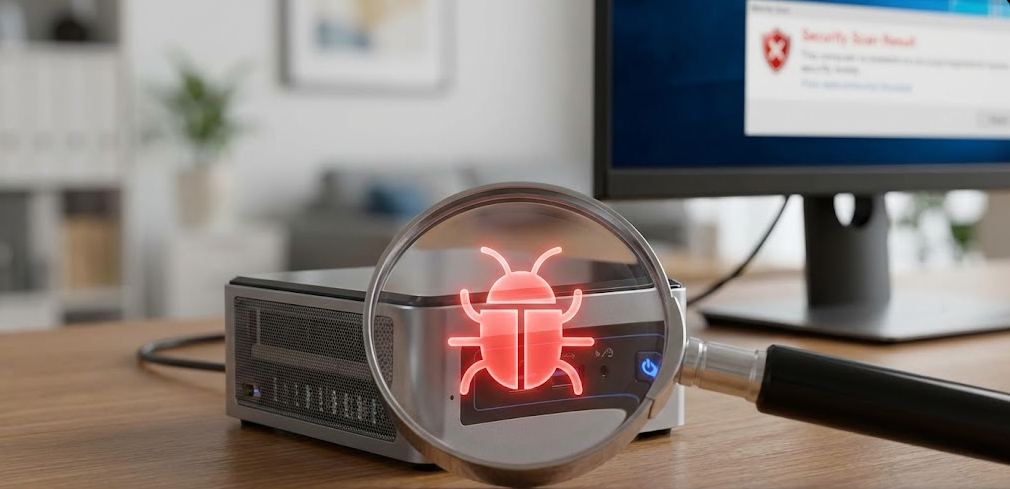
When I started reviewing Chinese mini PCs a few years ago, one question dominated my inbox: “Are these things safe, or am I inviting the Chinese government into my home office?” It’s a legitimate concern, especially given the geopolitical tensions between the United States and China, widespread fears about data privacy, and the occasional scary headline about compromised devices.
The anxiety makes sense. You’re buying a computer manufactured in China, often by brands you’ve never heard of, at prices that seem too good to be true. Your instinct says “if it’s this cheap, what’s the catch?” The assumption becomes: maybe they’re making money by harvesting your data or installing backdoors for surveillance.
Based on my professional experience testing dozens of Chinese mini PCs and analyzing independent security research throughout 2025, I can tell you the reality is far less dramatic than the fears suggest. But understanding the actual risks, the one real incident that occurred, and best practices for securing any mini PC is essential.
The AceMagic Incident: What Actually Happened
Let’s address the elephant in the room first. In early 2024, there was a legitimate malware incident involving Chinese mini PC manufacturer AceMagic. This is the source of most lingering concerns, so understanding exactly what happened matters.
In February 2024, Tom’s Hardware reported that AceMagic mini PCs shipped with factory-installed spyware. Jon from The Net Guy Reviews YouTube channel discovered malware on three AceMagic models he received for review: the AD08, AD15, and S1. Windows Defender flagged two executables—ENDEV and EDIDEV—as malicious. VirusTotal analysis confirmed these files belonged to the Bladabindi and Redline malware families, which steal browser passwords, cryptocurrency wallet data, and log keystrokes.
Here’s the critical context: This wasn’t deliberate spyware installed by the Chinese government or even AceMagic management. According to AceMagic’s official statement, developers made software modifications to reduce boot times, which inadvertently removed digital signatures from certain files. This caused Windows Defender to flag them as threats. The affected systems were manufactured before November 18, 2023—a specific production batch, not ongoing product lines.
AceMagic responded by offering free replacements, providing clean Windows installation downloads on their website, and implementing stricter security protocols including mandatory digital signature authentication for all software. Independent testing by Neowin in April 2024 on AceMagic, Beelink, and Geekom mini PCs using multiple antivirus programs (Microsoft Defender, ESET, AVG, SUPERAntiSpyware, Malwarebytes) found zero malware after the incident was resolved.
The takeaway: This was a manufacturing quality control failure during one production batch from one manufacturer, not systematic spyware installation across Chinese mini PC brands. AceMagic has shipped clean systems since early 2024, and no other major Chinese mini PC brand has had similar incidents.
Independent Security Testing: What Researchers Found
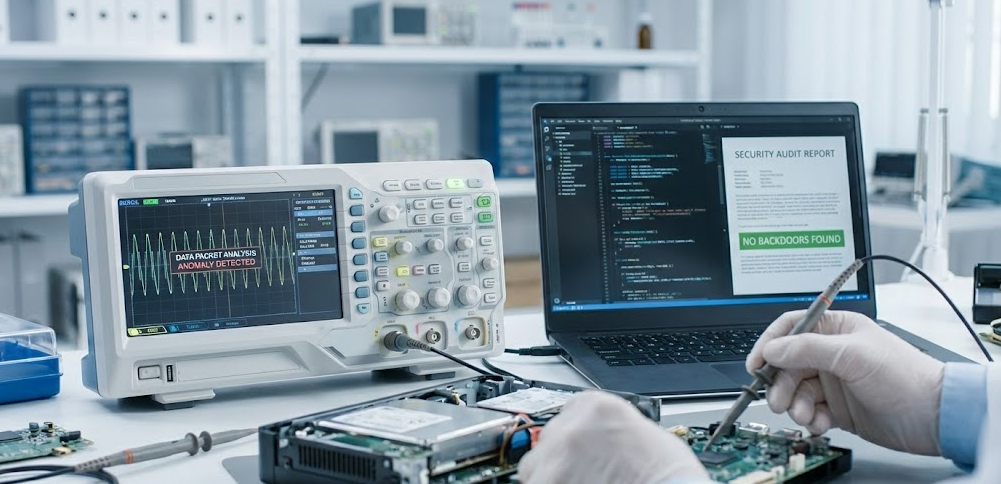
Beyond the AceMagic incident, how do other Chinese mini PC brands fare under scrutiny?
Neowin conducted comprehensive testing in April 2024 on AceMagic, Beelink, and Geekom using five different security programs. They reset each mini PC to factory settings (to test the manufacturer’s provided Windows image), then scanned with Microsoft Defender, ESET Internet Security, AVG, SUPERAntiSpyware, and Malwarebytes Premium.
Results across all three brands: Clean. No malware, no spyware, no suspicious files.
The testing methodology was thorough—they specifically used “local reinstall” during Windows reset to ensure they were testing the manufacturer’s bundled image, not downloading clean Windows from Microsoft. If spyware were systematically embedded in these systems, this testing would have revealed it.
Reddit communities focused on mini PCs (r/MiniPCs has over 100,000 members) consistently report that major brands like Beelink, Minisforum, GMKtec, and Geekom arrive clean. Users who perform fresh Windows installations report finding no remnants of malware in the BIOS or firmware—the malware (when it existed) was strictly at the Windows software level, not embedded in hardware.
Why Chinese Mini PCs Don’t Contain Spyware: The Business Reality
Let’s think about this from a business perspective. Why would a company like Beelink or Minisforum risk their entire international business by installing spyware?
Market incentives work against it: These companies make money selling hardware. Beelink ships hundreds of thousands of units annually to Western markets. Minisforum has built a reputation for quality and regularly appears in mainstream tech publication reviews. One spyware discovery would destroy their business overnight. The reputational damage would be catastrophic—far exceeding any conceivable value from data collection.
Detection is inevitable: In 2025, millions of tech enthusiasts, security researchers, and professional reviewers are testing these systems. Independent security tools scan them constantly. Any systematic spyware would be discovered within weeks of release. The AceMagic incident proves this—it was caught immediately by a YouTube reviewer running standard security software.
Manufacturing complexity: Installing spyware that evades modern security tools while remaining functional requires sophisticated development. For what purpose? Most mini PC buyers use them for basic computing, media streaming, or home office work. The data isn’t valuable enough to justify the risk and complexity.
Regulatory consequences: Chinese manufacturers selling to Western markets face import regulations, customs inspections, and potential legal liability. Deliberately installing spyware would violate numerous international laws and result in bans, fines, and criminal prosecution.
The simple truth: reputable Chinese mini PC manufacturers have no incentive to include spyware and enormous incentives to avoid it.
Chinese Mini PC Brands: Security Track Record (2025)
Here’s the current reputation of major Chinese mini PC brands based on verified security testing and community reports:
| Brand | Security Incidents | Independent Testing | Community Reputation | Years in Market |
|---|---|---|---|---|
| Beelink | None reported | Clean (multiple tests) | Trusted | 8+ years |
| Minisforum | None reported | Clean (multiple tests) | Highly trusted | 7+ years |
| GMKtec | None reported | Clean (community testing) | Trusted | 5+ years |
| Geekom | None reported | Clean (Neowin 2024) | Trusted | 4+ years |
| AceMagic | 2024 incident (resolved) | Clean post-incident | Cautious trust | 3+ years |
The pattern is clear: one isolated incident from one manufacturer in 2024, which was caught immediately and resolved. No ongoing security problems from any major brand.
The Real Security Concerns: What You Should Worry About

While systematic spyware isn’t a realistic concern, legitimate security considerations do exist when buying Chinese mini PCs:
Pre-installed bloatware: Many Chinese mini PCs come with unnecessary software pre-loaded. This isn’t malware, but it clutters your system, potentially slows performance, and occasionally includes adware. While not dangerous, it’s annoying.
Outdated Windows installations: Some mini PCs ship with Windows 11 builds that are months old. By late 2025, the current standard is Windows 11 24H2 (released in late 2024), but some manufacturers still ship 22H2 or early 23H2 builds. This means missing security patches. You’ll need to run Windows Update immediately after setup, which can take hours depending on how outdated the installation is.
Driver availability: Smaller Chinese manufacturers sometimes provide poor driver support. If you need to reinstall Windows or troubleshoot hardware issues, finding correct drivers can be challenging. This isn’t a security threat, but it’s a practical frustration.
BIOS/firmware security: This is the most legitimate technical concern. Some budget mini PCs use generic BIOS implementations without proper security features like Secure Boot, TPM 2.0, or BIOS password protection. While this doesn’t mean spyware is present, it means the system is more vulnerable to certain types of attacks. Reputable brands like Beelink and Minisforum generally implement proper BIOS security on their mid-range and higher-end models.
Supply chain risks (theoretical): The U.S. government has expressed concerns about Chinese-manufactured electronics potentially containing backdoors for intelligence gathering. While theoretically possible at a nation-state level, there’s no public evidence this has occurred with consumer mini PCs. This concern is more relevant for government agencies or corporations handling classified information than individual consumers.
AI and NPU Features: Security Fundamentals Remain the Same
By late 2025, many newer mini PCs feature Intel Core Ultra processors (Meteor Lake and Arrow Lake generations) or AMD Ryzen 8000/9000 series with integrated NPUs (Neural Processing Units) for AI workloads. These chips can execute AI models locally on your device, which has raised new privacy questions.
The good news: even with AI-focused chips featuring built-in NPUs capable of processing 500+ AI models, the security fundamentals remain identical. The NPU is just another processor component—it doesn’t inherently create new spyware risks. Local AI processing actually improves privacy compared to cloud-based AI, since your data stays on your device rather than being sent to external servers.
Whether your mini PC has an Intel N200 processor or a cutting-edge Core Ultra 9 with AI Boost NPU, the security recommendations are the same: perform a clean Windows installation, enable security features, keep software updated.
How to Secure Any Mini PC: Best Practices
Regardless of where your mini PC was manufactured—China, Taiwan, the United States, or anywhere else—these security practices apply:
Perform a clean Windows installation immediately
This is the single most effective security measure. Don’t trust any manufacturer’s pre-installed Windows image. Download Windows 11 directly from Microsoft, create a bootable USB installer, and perform a fresh installation. This guarantees you’re starting with a clean, unmodified operating system.
Here’s a helpful video tutorial showing exactly how to reinstall Windows on your mini PC, including creating bootable media, wiping the drive, and restoring drivers afterward.
While testing, I discovered that this process takes 1-2 hours but eliminates all concerns about pre-installed software. You get the latest Windows build directly from Microsoft with all current security patches.
Enable all security features in BIOS
Access your mini PC’s BIOS (usually by pressing Delete, F2, or F12 during startup) and verify these settings:
- Secure Boot: Enabled
- TPM 2.0: Enabled and active
- BIOS password: Set a strong password
- Boot order: Disable USB/network boot unless you need it
These settings prevent unauthorized operating systems from booting and protect against certain firmware-level attacks.
Use BitLocker or VeraCrypt for full disk encryption
Encrypt your entire drive. If your mini PC is stolen or accessed physically, encryption prevents data theft. Windows 11 Pro includes BitLocker natively. Windows 11 Home users can use the free, open-source VeraCrypt instead.
Keep Windows and all software updated
Enable automatic Windows Updates. By late 2025, Windows 11 24H2 is the standard version, with regular monthly security updates. Install security patches immediately when they’re released. Outdated software is the number one security vulnerability for home computers—far exceeding any theoretical spyware concerns.
Run reputable antivirus software
Windows Defender (built into Windows 11) is actually excellent in 2025. Independent testing shows it catches 99%+ of threats. If you want additional protection, consider Malwarebytes Premium or ESET Internet Security. Avoid free antivirus programs with questionable reputations—some are actually adware themselves.
Step-by-Step: Performing a Clean Windows Install
Step 1: Backup any important data
If you’ve already used your mini PC, copy important files to an external drive or cloud storage. The clean installation will erase everything.
Step 2: Download Windows 11 from Microsoft
Go to Microsoft’s official Windows 11 download page (microsoft.com/software-download/windows11). Scroll down and click “Download Windows 11 Disk Image (ISO).” Select your language and download the ISO file (approximately 5-6 GB).
Step 3: Create bootable USB installation media
You’ll need a USB flash drive (8GB minimum, 16GB recommended). Download Rufus (rufus.ie), a free tool that creates bootable USB drives. Run Rufus, select your USB drive, choose the Windows 11 ISO you downloaded, and click Start. Rufus will erase the USB drive and create bootable Windows installation media (takes 10-15 minutes).
Step 4: Boot from USB and install Windows
Insert the USB drive into your mini PC. Restart and access the boot menu (usually F12, F11, or Esc during startup—varies by manufacturer). Select the USB drive as boot device. Follow Windows installation prompts, choosing “Custom Install” and formatting your mini PC’s internal drive completely. This ensures no remnants of the old installation remain.
Step 5: Complete Windows setup and update
After installation completes, go through Windows setup (create account, privacy settings, etc.). Immediately run Windows Update (Settings > Windows Update > Check for updates). Install all available updates, which may require multiple restarts. This brings your system to the latest security patch level—ideally Windows 11 24H2 with the most recent monthly updates.
Step 6: Install drivers
Most hardware will work automatically with Windows 11’s built-in drivers. For components that don’t (WiFi adapters, specific chipset features), visit your mini PC manufacturer’s website and download current drivers. Install them manually through Device Manager.
Step 7: Install essential security software
At minimum, verify Windows Defender is active (Settings > Privacy & Security > Windows Security). Consider adding Malwarebytes for additional scanning capability. Install a password manager (Bitwarden is excellent and free) to secure your online accounts.
FAQ: Chinese Mini PC Security Concerns
Are Chinese mini PCs banned in the United States?
No. Chinese mini PCs are legal to purchase and use in the United States. There are no current federal restrictions on consumer mini PCs from China. The U.S. government has implemented restrictions on specific Chinese technology companies (like Huawei and certain telecommunications equipment), but consumer mini PCs are not affected.
Does the Chinese government require manufacturers to install backdoors?
China’s 2017 National Intelligence Law theoretically requires Chinese companies to cooperate with intelligence agencies when requested. However, there’s no public evidence this law has been used to force consumer electronics manufacturers to install backdoors in mini PCs. For high-security environments (government, military, critical infrastructure), this concern is taken seriously and such devices are typically prohibited. For individual consumers, the risk is theoretical rather than demonstrated.
Should I avoid all Chinese mini PCs for security reasons?
Not necessarily. If you’re an average consumer using a mini PC for entertainment, productivity, or home office work, Chinese mini PCs from reputable brands pose no greater security risk than devices from other countries—especially if you perform a clean Windows installation. If you work with classified information, trade secrets, or are a high-value target for espionage, consult your organization’s IT security policies, which likely prohibit consumer-grade equipment regardless of origin.
What about Android TV boxes from China? Are those safe?
Android TV boxes are a different category and have a significantly higher malware rate. Many cheap Android TV boxes from unknown Chinese manufacturers do contain malware, often pre-installed to generate revenue through ad fraud. This is a genuine problem. However, Android TV boxes are not the same as Windows-based mini PCs. Don’t confuse the two categories—they have completely different security profiles.
How can I tell if my mini PC has spyware?
Run a full scan with Windows Defender and at least one additional reputable antivirus program (Malwarebytes or ESET recommended). Check your Task Manager (Ctrl+Shift+Esc) for suspicious processes running in the background. Monitor network activity using Resource Monitor (search for “Resource Monitor” in Windows) to see if any programs are sending unusual amounts of data. If you find nothing suspicious through these methods, your system is almost certainly clean.
Is Beelink safer than Minisforum, or vice versa?
Both brands have excellent security track records with no reported malware incidents. They’re effectively equivalent in security terms. Your choice between them should be based on hardware specifications, price, customer service reputation, and specific model features—not security concerns.
Can I trust mini PCs sold through Amazon?
Amazon is a marketplace, meaning third-party sellers list products alongside Amazon’s own inventory. Buy from official brand stores (look for “Beelink Official Store” or “Minisforum Official” in the seller name) or from Amazon.com itself (sold and shipped by Amazon). Avoid random third-party sellers with no established reputation. This applies to any electronics purchase, not just mini PCs.
What if I don’t know how to do a clean Windows install?
The process is more intimidating than difficult. Follow Microsoft’s official documentation or watch video tutorials. If you’re not comfortable doing it yourself, many local computer repair shops offer clean Windows installation services for $50-$100. Given that this one-time cost completely eliminates security concerns, it’s worth considering if you’re genuinely worried.
Understanding BIOS and Firmware Security
For those wanting deeper technical understanding, BIOS and firmware security deserves attention. This Comprehensive guide on verifying BIOS and firmware security before purchasing an Intel Core i5 mini PC explains the firmware attack surface, what to verify before purchase, and how to test integrity.
Key points from that guide:
Firmware components matter: The UEFI/BIOS initializes hardware and locates the boot loader. A compromised BIOS can compromise everything above it, including your operating system. Reputable manufacturers use standard UEFI implementations with proper security features.
Supply chain assurances: Request firmware bills of materials (fBOM) from manufacturers if you’re purchasing for business or security-sensitive applications. Verify the manufacturer has a clear firmware update policy and security patch process.
Hands-on verification: Test Secure Boot enforcement by attempting to boot an unsigned bootloader—the system should reject it. Verify firmware updates are signed and that older firmware versions cannot be rolled back (anti-rollback protection).
For most consumers, these advanced verifications are overkill. But for corporate buyers or security-conscious individuals, understanding firmware security helps make informed decisions.
The Bigger Picture: Data Security in 2025
It’s worth putting Chinese mini PC security concerns in context. In my professional experience reviewing tech, the greatest threats to your data security are:
- Phishing attacks and social engineering: Far more likely to compromise your accounts than hardware backdoors
- Weak passwords and password reuse: The number one cause of account breaches
- Unpatched software vulnerabilities: Exploited constantly by ransomware and malware
- Unsecured WiFi networks: Public WiFi without VPN exposes your traffic
- Cloud service breaches: Your data stored by companies with weak security practices
Compared to these real, active threats, the theoretical risk of Chinese government spyware in your consumer mini PC ranks very low. You should absolutely take basic security precautions (clean Windows install, encryption, updates), but don’t lose sleep over imagined threats while ignoring actual ones.
Final Thoughts
Do Chinese mini PCs have spyware? No, not really. One manufacturer had one quality control failure affecting one production batch in 2024, which was immediately caught and resolved. Major brands like Beelink, Minisforum, GMKtec, and Geekom have spotless security records based on independent testing.
Should you take precautions when buying any mini PC—Chinese or otherwise? Absolutely. Perform a clean Windows installation, enable security features, use encryption, and keep your system updated. These practices protect you regardless of where your hardware was manufactured.
The anxiety about Chinese mini PCs is understandable given geopolitical tensions and occasional sensational headlines. But the evidence shows these concerns are largely misplaced. Millions of Chinese mini PCs operate worldwide without security incidents. Independent security researchers actively monitor these devices and would immediately expose systematic spyware if it existed.
Buy from reputable brands with established track records. Perform a fresh Windows installation. Follow basic security practices. Your Chinese mini PC will be as secure as any other computer—because the operating system, not the hardware origin, determines security in practice.
 Alayna Waseem