Skip to content
If you’re looking for the best Desktop Computers for OpenClaw, I’ve got the list for you after in-depth research.
OpenClaw is one of those AI tools that feels like a quiet turning point. It runs on your own desktop, works with your files, and handles real tasks instead of living in a browser tab. Once you start using it, you realize this is the kind of system people mean when they talk about automation actually changing how work gets done.
At its core, OpenClaw is a self-hosted autonomous AI agent. It can manage local files, run commands, browse the web, write and execute scripts, and automate workflows across the apps you already use. It is always on, always available, and getting better the more you use it.
If AI is destined to replace most human workers, I would rather be the last one replaced than the first! Running OpenClaw on the right desktop helps with that. This guide focuses on the desktops that make OpenClaw fast, stable, and dependable, so you stay ahead of the curve instead of watching it pass you by.
Choosing the right desktop means fewer frustrating waits during experiments, smoother simulation runs, and a setup you can extend as your projects scale.
Top Picks
| Category | Product | Price | Score |
|---|---|---|---|
| 🏆 Best Compact Power (BEST OVERALL RECOMMENDATION) | Apple Mac mini | $549.00 | 95/100 |
| 💰 Best Value Workstation | Dell Optiplex 3060 | $394.89 | 85/100 |
| 🎨 Best for Creators | HP Envy Desktop | $799.99 | 88/100 |
| 🚀 Best For Performance Under $1000 | CyberPowerPC Gamer | $989.99 | 90/100 |
| ⭐ Most Powerful: With HIGH-END GPU FOR HOSTING AI MODELS | MSI Codex Z2 | $1,894.29 | 96/100 |
| 💼 Best Small Office | Dell Slim ECS1250 | $480.00 | 82/100 |
| 🎯 Best Business-Ready | Dell Tower ECT1250 | $548.99 | 84/100 |
How I Picked These Desktops
I evaluated machines based on the real needs of OpenClaw projects: CPU multi‑threading for simulation and data preprocessing, GPU capability for model inference and training, at least 16–32GB of RAM for multi‑process workloads, fast NVMe storage for dataset access, and reliable connectivity for cameras and robots. I also factored in OS compatibility, expandability for add‑on GPUs or NVMe drives, thermal headroom for sustained loads, and value for money so you can choose a system that matches your workflow rather than overspending on unused features.
🏆 Best Compact Power
I lean on the M4 Mac mini when I want a desktop that gets out of the way and just runs. The M4’s 10‑core CPU and integrated GPU deliver snappy performance for code editing, lightweight training, and on‑device inference, while the Neural Engine and hardware media engines make preprocessing and video work much smoother.
Its tiny footprint is perfect for a crowded bench or home office, and Thunderbolt 4 gives me flexible connectivity for cameras, external drives, and displays. If you live in the Apple ecosystem and need a quiet, capable machine for development, prototyping with OpenClaw, and everyday creative work, this is a practical pick; just plan for extra storage and a hub if you need many ports.
What People Say
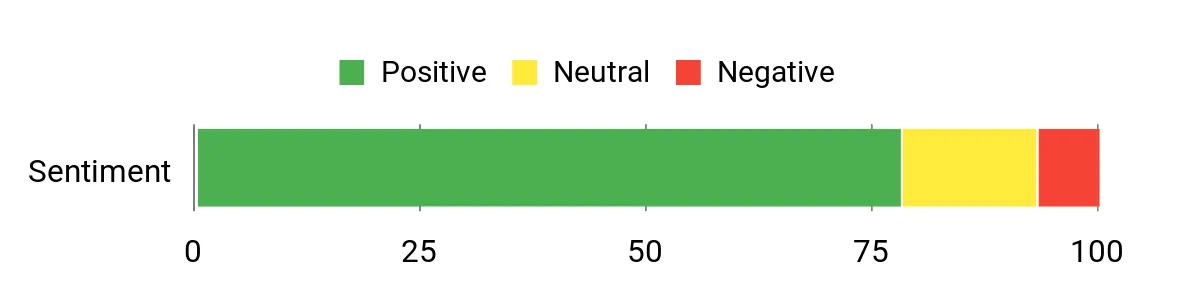
Customers consistently praise the Mac mini’s performance in a tiny package, noting fast app launches, smooth multitasking, and quiet operation. Reviewers also appreciate seamless integration with iPhone and iPad and the M4’s media and neural acceleration, while some call out the base 256GB SSD and limited native ports as things to plan around.
Overall Sentiment: Positive
Long-Term Value
The Mac mini’s efficiency and long software support translate into years of usable life and decent resale value, which often offsets the initial spend. Choosing this model can reduce recurring upgrade costs for many developers, though you may invest in external storage or a dock to cover expanded needs.
Situational Benefits
| Situation | How It Helps |
|---|---|
| Single‑developer OpenClaw Workstation | Small footprint and fast response times keep iteration loops short and the desk uncluttered; Thunderbolt supports external capture and storage. |
| Edge Prototyping With Cameras | Hardware video engines and Thunderbolt lanes let you ingest and preprocess multi‑camera streams efficiently without taxing the CPU. |
| Content Creation And Light Rendering | Unified memory and media acceleration speed up exports and playback for previewing datasets and model outputs. |
Ease Of Use
| Feature | Ease Level |
|---|---|
| Setup & Migration | Easy |
| macOS Development Tools | Easy |
| Peripheral Expansion | Moderate |
| Cross‑Platform GPU Workloads (CUDA) | Challenging |
Versatility
Very versatile for Apple‑centric development, media work, and lighter inference tasks; less suitable when CUDA‑only toolchains or heavy GPU training are required.
Durability
Solid build quality and efficient cooling mean reliable day‑to‑day use and quiet operation under sustained loads.
Practicality
Highly practical on crowded desks and for remote or mobile labs, though you’ll likely add a hub, monitor, and external storage for a full OpenClaw setup.
Energy Efficiency
Very energy efficient compared with similarly performing x86 desktops, which helps for always‑on lab rigs or edge deployments.
Key Benefits
- Compact, quiet performance for development and light inference
- Strong Apple Intelligence and media engines for preprocessing and video
- Thunderbolt 4 and Wi‑Fi 6E for flexible connectivity and low‑latency networking
Current Price: $549.00
Rating: 4.8 (total: 2579+)
💰 Best Value Workstation
I reach for the Optiplex when I want reliable performance without spending a lot. With a six‑core i5, 32GB of RAM and a 1TB SSD it handles heavy browser tabs, dataset prep and light simulations comfortably.
It’s a compact tower that ships with Windows 11 Pro ready to go, so setup is usually quick and painless. For OpenClaw development this box is a pragmatic choice: great for preprocessing, multi‑camera monitoring, and iterative testing, though you’ll want an external GPU or cloud resources for larger model training.
What People Say
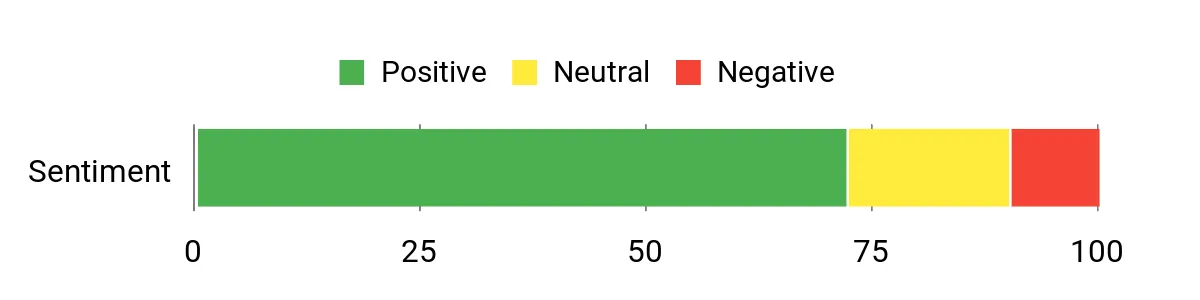
People often highlight how fast and ready the machine feels straight out of the box, especially for office and development tasks. Reviews commonly praise the memory and storage specs for the price and note reliable Wi‑Fi; a few users mention limited onboard ports or bundled peripherals as minor annoyances.
Overall Sentiment: Positive
Long-Term Value
Buying a renewed Optiplex cuts initial costs while giving you enterprise‑grade parts and a fresh OS install, which can delay the need for a full replacement. You may spend a little on a hub or external GPU later, but the base savings often outweigh those modest upgrades.
Situational Benefits
| Situation | How It Helps |
|---|---|
| Home Office Multitasking | 32GB RAM and a fast SSD keep documents, tabs, and light model runs responsive so you don’t lose flow while switching tasks. |
| Budget OpenClaw Development | CPU and memory handle preprocessing, simulation and small inference jobs locally; heavier training can be offloaded to cloud GPUs. |
| Tight Lab Benches | Compact form factor fits constrained spaces and built‑in Wi‑Fi simplifies camera and robot connectivity without extra adapters. |
Ease Of Use
| Feature | Ease Level |
|---|---|
| Setup & OS | Easy |
| Upgrades & Expansion | Moderate |
| Peripheral Connectivity | Moderate |
| Maintenance | Easy |
Versatility
Versatile for business tasks, development, and light inference; less ideal for heavy GPU training without add‑ons.
Durability
Refurbished units are tested and many users report long, reliable service; physical condition can vary by seller so check warranties.
Practicality
Practical balance of specs, price and size for most OpenClaw workflows; expect to add a dock or adapters if you need many ports.
Energy Efficiency
Reasonable efficiency for an Intel tower, though not as low‑power as newer ARM‑based or Apple silicon systems.
Key Benefits
- Strong multitasking with 32GB RAM and 1TB NVMe storage
- Windows 11 Pro preinstalled for business and development workflows
- Refurbished value: solid specs at a lower price point
Current Price: $394.89
Rating: 4.3 (total: 1082+)
🎨 Best for Creators
I pick the Envy when I need a desktop that leans into creative work while still feeling familiar for everyday tasks. The Core i7 and 32GB of RAM make rendering previews, editing large files, and running multiple tools at once feel smooth, and the 1TB SSD keeps project files responsive.
For OpenClaw workflows it’s solid for preprocessing, simulations that don’t need heavy GPU training, and streaming camera feeds while you iterate. It’s a practical choice for creators who want power out of the box but should plan upgrades carefully if they expect to add high‑end GPUs later.
What People Say
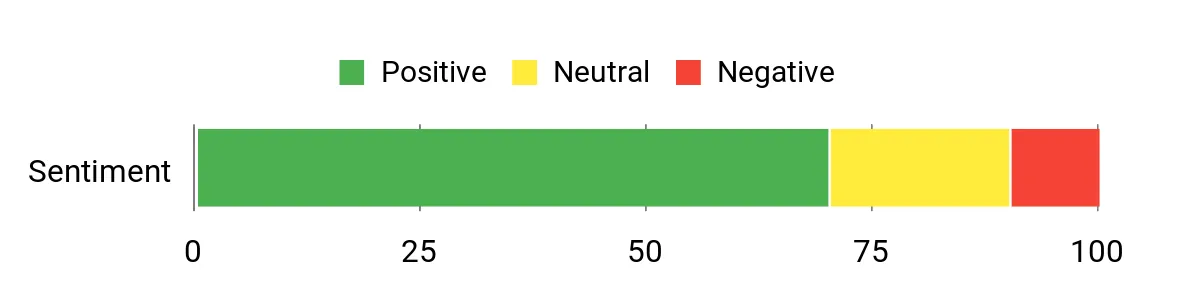
I see reviewers consistently note fast boot and responsive performance for editing and everyday use. People appreciate the generous USB options and storage out of the box, while a few mention a learning curve moving from older Windows versions and occasional frustration with support or upgrade limitations.
Overall Sentiment: Positive
Long-Term Value
Energy certifications and a robust base configuration help keep running costs down and delay the need for early replacement. Warranty coverage and reliable performance also reduce unexpected repair expenses, though limited expansion options could mean a future upgrade requires more investment.
Situational Benefits
| Situation | How It Helps |
|---|---|
| Creative Workstations | Handles rendering previews, video exports, and multitasking so creative apps stay responsive during projects. |
| OpenClaw Prototyping | Useful for preprocessing sensor data, running simulations, and monitoring multi‑camera setups without needing a discrete GPU for inference. |
| Office & Education | Fast boot, lots of storage, and multiple ports make it a practical shared machine for classrooms or small studios. |
Ease Of Use
| Feature | Ease Level |
|---|---|
| Setup & Start | Easy |
| Creative Software | Easy |
| Hardware Upgrades | Moderate |
| Support & Troubleshooting | Moderate |
Versatility
Very good for creators and general development; limited only if you need heavy GPU training or deep hardware customization.
Durability
Built with solid components and backed by a one‑year warranty; users report reliable day‑to‑day performance when maintained.
Practicality
Great practical pick for studios and small labs because of ready‑to‑use specs and numerous ports, though expansion choices are somewhat constrained.
Energy Efficiency
ENERGY STAR and EPEAT Silver registration mean lower power draw compared with many high‑power towers, helpful for always‑on setups.
Key Benefits
- Strong CPU and ample RAM for content creation and multitasking
- Fast 1TB SSD for quick file access and project workflows
- Energy and environmental certifications that reduce operating costs
Current Price: $799.99
Rating: 4.4 (total: 165+)
🚀 Best for raw Performance (and gaming on the side)
I recommend the CyberPowerPC when you need raw GPU power on a budget. The RTX 5060 and DDR5 memory make it great for real‑time inference, visualization, and running OpenClaw demos with low latency, while the Core i5 keeps preprocessing and streaming smooth.
It arrives ready to use, with solid cable management and cooling that stays quiet under load. For heavier model training you’ll still want cloud GPUs or a higher‑end desktop, but for development, simulation, and interactive testing this machine hits a useful sweet spot.
What People Say
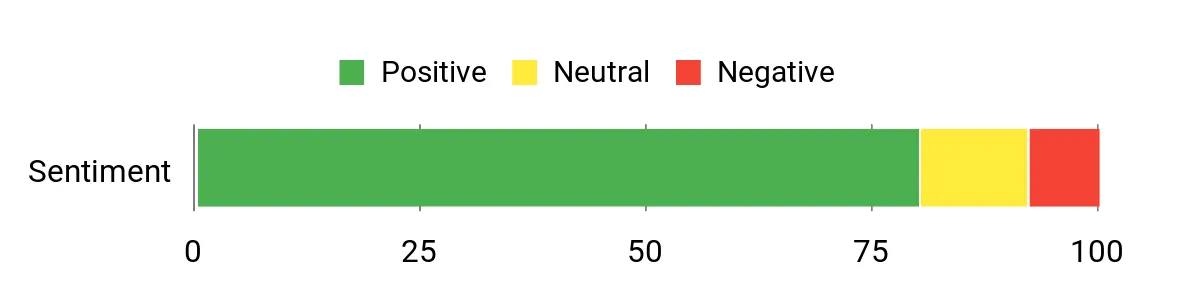
People commonly praise the performance and build quality, noting smooth gameplay and fast load times thanks to the GPU and PCIe 4.0 SSD. Reviewers also like the tidy assembly and included peripherals, while a few mention occasional Wi‑Fi quirks or recommend checking the GPU seating after shipping.
Overall Sentiment: Positive
Long-Term Value
The discrete GPU and modern interface standards give the PC a longer useful life for inference and visualization tasks, and resale value for GPU‑equipped systems tends to stay reasonable. You may spend on occasional upgrades like more RAM or a better network card, but the base hardware delays major replacement costs.
Situational Benefits
| Situation | How It Helps |
|---|---|
| Interactive OpenClaw Demos | RTX 5060 accelerates live model inference and visualization, keeping camera feeds and control loops responsive. |
| Local Simulation & Visualization | GPU and fast SSD speed up rendering and dataset loading so simulation iterations feel fast. |
| VR Testing And Immersive Debugging | VR‑ready GPU and sufficient RAM make headset testing and 3D visualization practical on a single machine. |
Ease Of Use
| Feature | Ease Level |
|---|---|
| Out‑of‑Box Setup | Easy |
| Software & Drivers | Moderate |
| Hardware Upgrades | Moderate |
| Networking (Wi‑Fi) | Moderate |
Versatility
Very versatile for gaming, real‑time inference, VR testing and multimedia; less ideal for large‑scale model training without further upgrades or external resources.
Durability
Generally solid build quality and cooling keep components stable under load; occasional reports of shipping‑related seating issues mean I check internals after delivery.
Practicality
Practical as a single‑machine lab for development and interactive testing; it’s plug‑and‑play for demos and can be upgraded later if needs grow.
Energy Efficiency
Moderate — the RTX 5060 is more efficient than high‑end GPUs but still increases power draw compared with integrated systems, so plan for higher energy use during heavy tasks.
Key Benefits
- Discrete RTX 5060 GPU for fast real‑time inference and visualization
- DDR5 memory and PCIe 4.0 SSD for snappy loading and multitasking
- Prebuilt, well‑assembled system that’s easy to start using for projects
Current Price: $989.99
Rating: 4.7 (total: 488+)
⭐ Best High-End GPU
I reach for the Codex Z2 when I need a desktop that won’t bottleneck GPU work. The Ryzen 7 CPU plus an RTX 5070 and 32GB of DDR5 RAM make it excellent for realtime visualization, high‑fps simulation, VR testing, and local inference for OpenClaw demos.
The roomy 2TB NVMe keeps large datasets and renders close at hand, and the case has good airflow so the system stays stable under sustained loads. It’s a top choice if you want serious GPU capability in a ready‑built package, though you should expect some fan noise under heavy use.
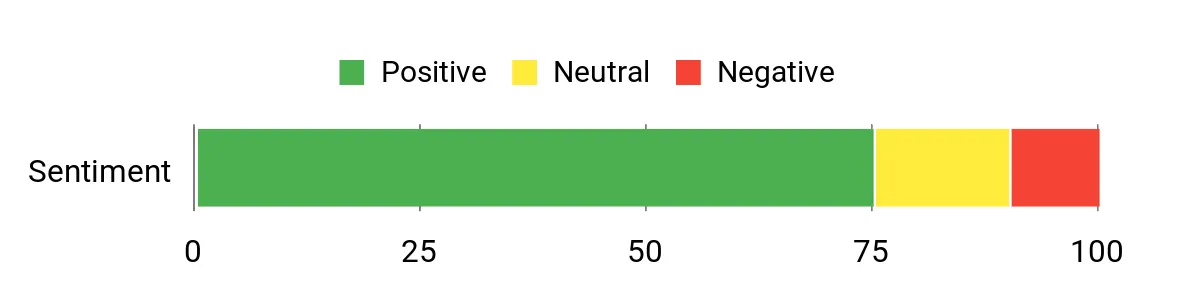
What People Say
Customers commonly praise the machine’s gaming and rendering performance, noting smooth frame rates and fast load times thanks to the RTX 5070 and NVMe SSD. Many highlight solid build quality and effective cooling, while a minority mention occasional software quirks, louder fans under load, or the need to tweak wireless connectivity.
Overall Sentiment: Positive
Long-Term Value
The high‑end GPU and fast storage extend the system’s useful life for demanding visual and inference tasks, reducing the need for early replacement. Upgradeability also helps spread costs over time since you can boost RAM or swap storage instead of buying a new rig.
Situational Benefits
| Situation | How It Helps |
|---|---|
| GPU‑Intensive Inference | RTX 5070 delivers low latency inference for multi‑camera or real‑time control loops used in OpenClaw experiments. |
| High‑Fidelity Simulation | Powerful GPU and plenty of RAM speed up visualization and physics simulations so iterations feel faster. |
| VR Testing | VR‑ready hardware and fast storage make headset testing and immersive debugging practical on a single machine. |
Ease Of Use
| Feature | Ease Level |
|---|---|
| Out‑of‑Box Setup | Easy |
| Drivers & Software | Moderate |
| Hardware Upgrades | Easy |
| Documentation | Moderate |
Versatility
Excellent for gaming, visualization, VR and local inference; also suits creative workflows and multi‑monitor lab setups, though very large training jobs are better on cloud clusters.
Durability
Well‑built chassis and effective cooling keep thermals in check; users report long‑term stability, with occasional reports of shipping‑related issues that are easy to inspect.
Practicality
Practical for dedicated desks and lab benches where space and power are available; it’s not the smallest system but offers clear performance benefits for GPU workloads.
Energy Efficiency
Moderate — the RTX 5070 is more efficient than top‑tier GPUs but still raises power draw during sustained GPU tasks, so expect higher energy use under load.
Key Benefits
- Powerful RTX 5070 GPU for fast inference and high‑quality visualization
- Generous 32GB DDR5 and 2TB NVMe for multitasking and large datasets
- Good upgrade path and cooling for sustained heavy workloads
Current Price: $1,894.29
Rating: 4.3 (total: 239+)
💼 Best Small Office
I reach for the Dell Slim when desk space is tight but I still need reliable Windows performance. The i3 and DDR5 RAM keep everyday apps, document work, and light development snappy, while the 512GB SSD gives fast boot and responsive file access.
It can drive high‑resolution displays via DisplayPort and supports multi‑monitor setups with the right cables. For OpenClaw work it’s a solid entry point for preprocessing, monitoring cameras, and running smaller demos, though heavier GPU training will need an external solution.
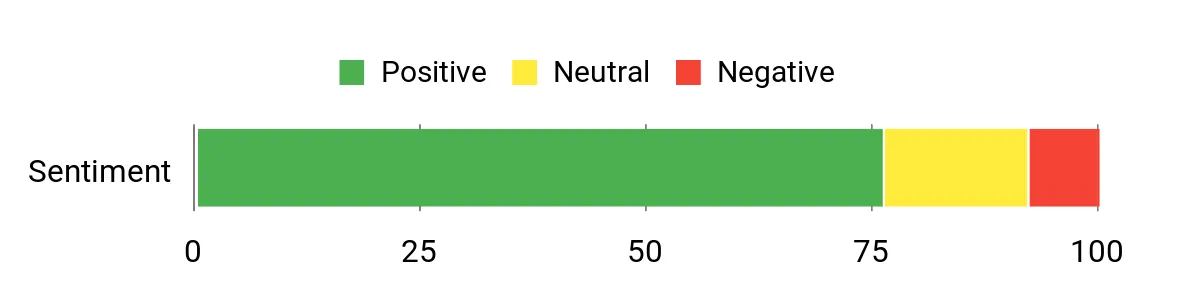
What People Say
Users commonly praise how quickly the Slim boots and how quietly it runs, noting it handles office tasks and light development smoothly. People also like the front USB access and small chassis for tight setups, while a few mention limited internal expansion and the need for specific adapters or cable types for some monitors.
Overall Sentiment: Positive
Long-Term Value
Lower initial cost and efficient components mean modest running expenses and a longer useful life for routine tasks. The compact design reduces power draw compared with larger towers, and you can extend the machine’s usefulness with modest upgrades like additional RAM or external storage.
Situational Benefits
| Situation | How It Helps |
|---|---|
| Small Lab Benches | Tiny footprint fits crowded workspaces while providing reliable performance for data capture and device monitoring. |
| Office & Classroom | Windows 11 Home and plenty of USB ports make it easy to deploy across workstations for productivity and instruction. |
| Entry OpenClaw Development | Handles preprocessing, running demos, and managing camera feeds without needing a full GPU workstation. |
Ease Of Use
| Feature | Ease Level |
|---|---|
| Setup & Start | Easy |
| Peripheral Connections | Easy |
| Upgrades & Expansion | Moderate |
| OS Flexibility | Easy |
Versatility
Well suited for business, education, and light development tasks; less ideal for heavy GPU jobs without external acceleration.
Durability
Compact but solidly built; reviewers report reliable day‑to‑day service when kept in a clean environment and properly ventilated.
Practicality
Very practical for shared workspaces and edge deployments where space and noise matter; plan for adapters if you need many I/O options or older monitor interfaces.
Energy Efficiency
Good efficiency for routine workloads thanks to modern low‑power components, making it cost‑effective for always‑on office tasks.
Key Benefits
- Compact footprint that fits tight desks and lab benches
- Fast 512GB SSD and DDR5 memory for responsive everyday performance
- Built‑in Wi‑Fi 6 and multiple USB ports for easy device connectivity
Current Price: $480.00
Rating: 4.5 (total: 379+)
🎯 Best Business-Ready
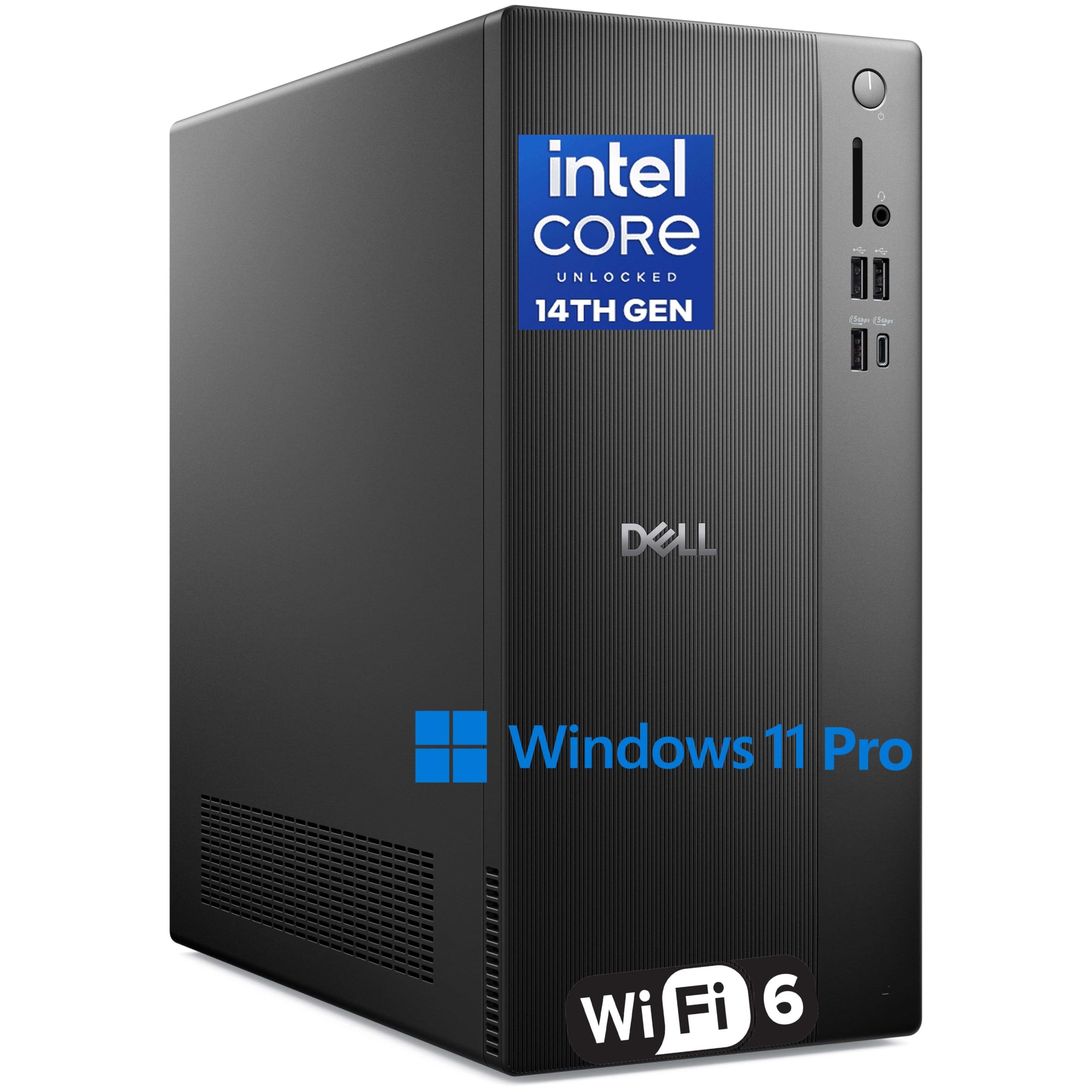
I recommend the Dell Tower ECT1250 when you need a straightforward business desktop that’s ready to deploy. The Core i3 with 16GB of DDR5 memory and a 512GB PCIe SSD boots quickly, runs Office and browser‑heavy workflows smoothly, and supports modern connectivity like DisplayPort and Type‑C.
It’s a practical pick for shared workstations, reception desks, and small offices where reliability and predictable performance matter more than high‑end GPU power. For OpenClaw tasks it handles preprocessing, monitoring, and lightweight development, while heavy training still belongs on dedicated GPU machines or the cloud.
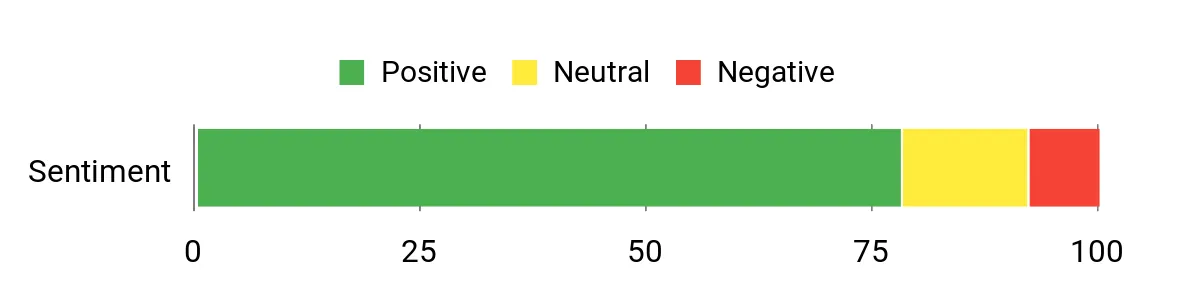
What People Say
Users frequently mention quick setup, dependable day‑to‑day performance, and good value for office use. People like the responsive SSD, ample RAM for multitasking, and the variety of front and back ports.
A small number report occasional reboot or specific support needs, but most find it meets their business requirements.
Overall Sentiment: Positive
Long-Term Value
With modern DDR5 memory, PCIe storage and Windows 11 Pro, the system stays useful for several years and avoids early replacements. Onsite service and predictable power draw help control maintenance costs, though significant future needs for GPU acceleration would require added investment.
Situational Benefits
| Situation | How It Helps |
|---|---|
| Small Office Workstations | Reliable performance and multiple display outputs keep productivity steady across spreadsheets, web apps, and communication tools. |
| Classrooms And Labs | Easy setup, Windows 11 Pro management, and compact size make it simple to deploy for education or training environments. |
| Edge OpenClaw Development | Handles preprocessing, camera monitoring, and lightweight inference tasks without needing a dedicated GPU workstation. |
Ease Of Use
| Feature | Ease Level |
|---|---|
| Setup & Deployment | Easy |
| Peripheral Connections | Easy |
| Hardware Upgrades | Moderate |
| IT Management | Easy |
Versatility
Well suited to business, education, and light development; not intended for heavy GPU training without external acceleration.
Durability
Solidly built for office environments and backed by onsite service, offering dependable long‑term operation when maintained.
Practicality
Compact tower footprint and diverse ports make it practical for multi‑monitor desks and shared spaces; minimal bloatware reduces initial setup time.
Energy Efficiency
Efficient for typical office loads thanks to modern components and a modest power supply, keeping operating costs reasonable.
Key Benefits
- Balanced specs for business workflows with fast PCIe storage
- Plenty of modern I/O including DisplayPort, HDMI and Type‑C
- Windows 11 Pro and onsite service simplify deployment and support
Current Price: $548.99
Rating: 4.6 (total: 14+)
FAQ
What Is OpenClaw And Why Does It Matter For My Desktop Choice?
OpenClaw is a modern stack for robotic grasping and manipulation that brings together perception, control and model runtimes in a reusable way. I look for desktops that minimize iteration time: that means fast single‑node performance for simulation and preprocessing, low‑latency inference for live control loops, and reliable I/O for cameras and sensors.
If your work centers on multi‑camera setups, real‑time demos, or running local models, the hardware you choose directly affects how quickly you can prototype and iterate.
Do I Need A Dedicated GPU Or Is Integrated Enough?
It depends on what I plan to do. For early prototyping, control logic and many development tasks an integrated machine like the Mac mini (starting around $549.00) or a modern Intel/AMD desktop can be perfectly fine, especially if you value compactness and silence. If I’m running real‑time multi‑camera inference, VR testing, or local model training I prefer a discrete GPU because it dramatically improves throughput and latency; alternatively I’ll use cloud GPUs or an external GPU enclosure to avoid an immediate full desktop upgrade.
How Much RAM, Storage And Connectivity Should I Target?
I recommend a minimum of 16GB of RAM for basic development and 32GB for smoother multi‑process workflows and larger simulations, and I often highlight 32GB as the sweet spot for OpenClaw labs. Fast NVMe storage (at least 1TB if you can afford it) makes dataset loading and caching much faster, and I plan for Thunderbolt or multiple USB‑C/USB‑A ports plus Gigabit or 10Gb Ethernet when I expect to stream sensors.
My practical tip is to budget for a small dock and an external NVMe drive up front so you can expand I/O and storage without swapping the whole machine.
Customer Preferences
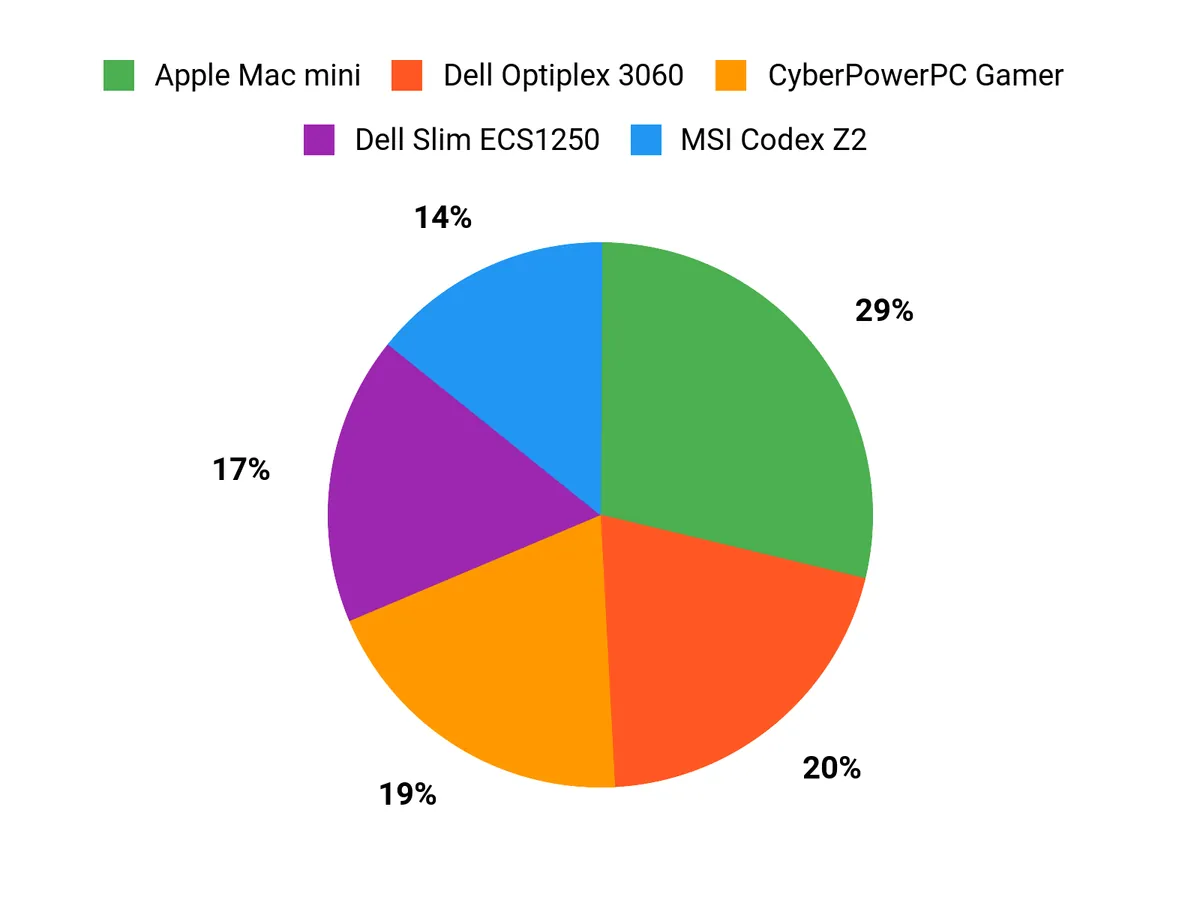
I see people balancing three priorities: compact, integrated performance and Apple ecosystem for the Mac mini; affordability and upgrade potential for the Dell Optiplex 3060; and stronger CPU/RAM and creator‑focused features for the HP Envy. If low‑latency inference or GPU work matters they lean toward the HP or a GPU‑equipped PC, while prototyping in a small space points folks to the Mac mini and budget lab deployments favor the Optiplex.
Wrapping Up
To wrap up, OpenClaw has earned attention because it lowers the barrier to building intelligent grasping and manipulation systems while leveraging modern model runtimes and hardware acceleration. I recommend choosing a desktop that matches your primary tasks: compact, macOS‑friendly machines like the Mac mini are excellent for development and Apple ecosystem users who benefit from integrated Apple Intelligence; midrange business towers and renewed workstations deliver the best price‑to‑productivity for data prep and multi‑camera setups; and gaming/prebuilt enthusiast rigs offer the discrete GPU muscle needed for real‑time inference, training and high‑fidelity simulation.
Below are focused FAQs to help with common decisions. What is OpenClaw and why is it popular? OpenClaw is a platform that combines perception, control and adaptable tooling aimed at robotic grasping and manipulation; it is popular because it unifies common tooling, supports modern model formats, and reduces the engineering effort required to run experiments and deploy solutions. Do I need a GPU to run OpenClaw? It depends on your workload. For lightweight perception and prototyping you can run on CPUs, but for real‑time inference, multi‑camera streams, or local training a discrete GPU dramatically improves latency and throughput, so I prioritize machines with a capable GPU when speed matters.
Is macOS supported and is the Mac mini a good choice? macOS support is strong for development tools and many model runtimes; the M4 Mac mini is especially compelling if you want a quiet, compact workstation with excellent single‑node performance and native Apple tooling. However, if you need CUDA acceleration or want to run GPU‑accelerated Linux‑native pipelines, a Windows or Linux PC with an NVIDIA GPU is more suitable.
How much RAM and storage should I target? I recommend at least 16GB of RAM for basic development and 32GB for heavier simulation, simultaneous recording, or multi‑camera setups. Fast NVMe storage of 1TB or higher helps with large datasets and reduces I/O bottlenecks. Can I use refurbished or small form factor desktops? Yes.
Refurbished workstations like the Dell Optiplex can offer excellent value if they meet RAM, storage and connectivity needs; small form factor and mini PCs can be perfect for tight desks or edge deployment as long as they provide sufficient cooling and the ability to add external GPUs or USB peripherals if needed. What should I prioritize: CPU, GPU, or I/O? Prioritize based on the task: GPU first for model inference and training, CPU next for simulation and data processing, and I/O/connectivity if you plan to stream multiple cameras or log high‑resolution sensor data. Balancing those three with reasonable expandability will give you the most flexible OpenClaw desktop for future projects.
| Product Name | Image | Rating | Processor | RAM | Storage | Graphics | Price |
|---|---|---|---|---|---|---|---|
| Apple 2024 Mac Mini Desktop Computer |  | 4.8/5 (N reviews) | Apple M4 (10-core) | 16 GB Unified Memory | 256 GB SSD (Configurable up to 2 TB) | Apple Integrated Graphics | $549.00 |
| Dell Optiplex 3060 Desktop Computer |  | 4.3/5 (N reviews) | Intel Core i5-8500 (3.2 GHz) | 32 GB DDR4 | 1 TB SSD | Intel UHD Graphics 630 | $394.89 |
| HP Envy Desktop PC TE01-5002 |  | 4.4/5 (N reviews) | Intel Core i7-14700 (5.4 GHz) | 32 GB DDR4 | 1 TB SSD | Intel UHD Graphics 770 | $799.99 |
| CyberPowerPC Gamer Xtreme VR Gaming PC |  | 4.7/5 (N reviews) | Intel Core i5-13400F (2.5 GHz) | 16 GB DDR5 | 1 TB PCIe 4.0 SSD | GeForce RTX 5060 8GB | $989.99 |
| MSI Codex Z2 Gaming Desktop |  | 4.3/5 (N reviews) | AMD R7-8700F (4.1 GHz) | 32 GB DDR5 | 2 TB m.2 NVMe SSD | GeForce RTX 5070 12GB | $1,894.29 |
| Dell Slim Desktop ECS1250 |  | 4.5/5 (N reviews) | Intel Core i3-14100 (3.5 GHz) | 8 GB DDR5 | 512 GB SSD | Intel UHD Graphics 730 | $480.00 |
This Roundup is reader-supported. When you click through links we may earn a referral commission on qualifying purchases.