Skip to content
I put together this guide because choosing the right laptop as a clinician matters more than trendy specs — you need a machine that helps you stay focused during shifts, runs EMR and video calls smoothly, and lasts through long rounds. In this guide I focus on three practical priorities for doctors and nurses: ease of use (clear display, reliable webcam, simple setup), performance for multitasking clinical apps, and long battery life so you don’t hunt for outlets mid-shift.
I’ll walk you through my top picks across price points and form factors so you can quickly find a laptop that fits your workflow and budget.
Top Picks
| Category | Product | Price | Score |
|---|---|---|---|
| 🚀 Best Battery | $949.00 | 95/100 | |
| 🏆 Best Performance | $1,849.00 | 92/100 | |
| 🎯 Best 2‑in‑1 | $1,040.00 | 90/100 | |
| ⭐ Best For Multitasking | $399.99 | 86/100 | |
| 💼 Best For Hospital Use | $299.99 | 82/100 | |
| 🎨 Best Touchscreen | $329.99 | 80/100 | |
| ☁️ Best Cloud Convenience | $299.99 | 78/100 | |
| 💸 Best Budget Power | $359.99 | 83/100 | |
| 📺 Best For Readability | $439.99 | 75/100 | |
| 🔑 Best For Storage | $359.99 | 81/100 |
How I Picked These Laptops
I evaluated each model from the perspective of a busy clinician. My priorities were: ease of use (straightforward setup, good webcam/microphone, readable display and comfortable keyboard), sustained performance for common clinical tasks (EMR, multiple browser tabs, telemedicine, PDF/chart review), and real-world battery life so you can work through rounds without frequent charging.
I also weighed portability, build quality and security features (camera shutter, TPM, fingerprint), plus price/value for clinicians who may need reliable tools on a budget. In practice I looked for machines that balance those needs rather than chasing peak gaming or creative benchmarks.
🎨 Best Touchscreen

I’ve found this HP 15.6″ model to be one of those dependable, no-nonsense laptops that fits well into a clinician’s day. The touchscreen makes quick chart taps and note-taking feel natural, the 128 GB SSD gets you into apps fast, and the battery usually lasts through a long shift — plus Fast Charge tops it up quickly between patients.
It’s roomy enough for work at a nurse station or bedside, but still light enough to carry between floors. If you want a straightforward machine for EHRs, telehealth check-ins, and casual report writing, this is an easy recommendation.
Long-Term Cost Benefits
ENERGY STAR and EPEAT Gold registration plus LPDDR5 memory help reduce power use. Durable build and included 1-year limited warranty lower replacement and repair costs over time.
Return On Investment
You get faster logins and app loads from the PCIe SSD, less time charging thanks to Fast Charge, and fewer interruptions from lag. For a clinic or solo practitioner, that translates into more patient-facing time and less downtime.
Situational Benefits
| Situation | How It Helps |
|---|---|
| On rounds and bedside charting | Touchscreen and anti-glare display make quick entries and chart reviews easy, and the privacy shutter protects patient encounters on video calls. |
| Telehealth or family video calls | HP True Vision camera with noise-reduction AI gives clearer video and sound, so consultations feel more professional. |
| Long shifts and between-site travel | Around 12 hours of battery life plus Fast Charge reduces the need to hunt for outlets during a busy day. |
| Station or desk with multiple devices | Multiple USB ports and HDMI let you connect monitors and peripherals without extra adapters. |
Time-Saving Benefits
The PCIe SSD and LPDDR5 memory make startup and switching between apps snappy, and the Copilot key gives quick access to AI help. Fast Charge takes you from 0 to 50% in roughly 45 minutes, which saves valuable break time.
Ease Of Use
| Feature | Ease Level |
|---|---|
| Touchscreen | Very Easy |
| Windows 11 Home in S Mode | Easy (more secure, app choices limited) |
| Keyboard & Trackpad | Comfortable |
| Ports & Connectivity | Straightforward |
| Camera with Privacy Shutter | Simple |
Practicality
This laptop balances screen size and portability: the 15.6″ display is large enough for charts and group video calls, while the 3.5 lb weight keeps it portable. It’s practical for daily clinical workflows, education, and light multimedia, though not aimed at heavy video editing or high-end gaming.
Energy Efficiency
ENERGY STAR certification and EPEAT Gold registration, plus power-efficient LPDDR5 RAM, help keep energy use down. Expect sensible battery performance for typical day-to-day tasks.
Travel Friendliness
At about 3.52 pounds and under an inch thick, it’s easy to slip into a bag for inter-hospital travel. Good battery life and fast charging make it reliable when outlets are scarce.
Key Benefits
- Touchscreen for fast, intuitive interaction
- Long battery life (around 12 hours) with Fast Charge
- Lightweight 15.6″ design that’s easy to carry
- Privacy shutter and mic mute for patient-facing video
Current Price: $329.99
Rating: 4.5 out of 5 (total: 991+)
⭐ Best For Multitasking

I like this HP 15.6″ as a practical workhorse for doctors and nurses who juggle EHRs, video calls and dozens of tabs. The 16GB of RAM plus a PCIe SSD keeps things snappy when switching between charting, imaging viewers and secure messaging. The anti‑glare screen is easier to read under clinical lighting, the full-size keyboard helps with quick numeric entries, and the mix of USB-A, USB-C and HDMI makes hooking up to a station simple.
It’s not a lightweight ultrabook, but it’s solidly portable for rounds, telehealth and desk duty when you need reliable multitasking rather than fancy extras.
Long-Term Cost Benefits
An SSD and integrated graphics mean fewer mechanical failures and lower power draw than spinning drives or discrete GPUs. Built-in firmware TPM and a privacy shutter also help reduce security and compliance headaches that can be costly down the road.
Return On Investment
Faster boot and app switching reduce interruptions during shifts, so clinicians spend less time waiting on the device and more time with patients. For a busy clinic or ward, that responsiveness translates into smoother workflows and less overtime chasing slow computers.
Situational Benefits
| Situation | How It Helps |
|---|---|
| On rounds and bedside charting | The anti-glare 15.6″ display and responsive keyboard make quick notes and chart reviews easier without fighting reflections or sluggish input. |
| Telehealth or family video discussions | Built-in 720p camera with noise-reducing mics and a privacy shutter keeps calls clear and lets you mute or cover the camera between appointments. |
| Nurse station with multiple monitors | HDMI plus USB ports let you hook into a larger monitor or share screens without hunting for adapters. |
| Busy shifts with many browser tabs | 16GB RAM prevents frequent tab swapping, so you can keep reference materials, messaging and charts open at once. |
Time-Saving Benefits
The PCIe NVMe SSD cuts boot and app load times, and the generous RAM keeps context switching smooth. That means fewer waits during handovers or when pulling up patient histories.
Built-in ports also speed up docking and copying files between devices.
Ease Of Use
| Feature | Ease Level |
|---|---|
| Display (anti-glare FHD) | Easy to read |
| Full-size keyboard with numeric keypad | Comfortable |
| Windows 11 Home | Familiar |
| Ports (USB-A, USB-C, HDMI) | Straightforward |
| Camera privacy shutter & mic mute | Simple |
Practicality
This laptop balances a roomy 15.6″ screen with a manageable weight (about 3.64 lbs). It’s practical for daily clinical tasks, telehealth consultations and workstation docking—ideal for clinicians who need a reliable, no‑fuss machine rather than a specialty workstation.
Energy Efficiency
Integrated Intel UHD graphics and an SSD keep power use reasonable. Features like Modern Standby help it wake quickly without long battery drains, so you won’t be constantly rebooting or waiting for updates.
Travel Friendliness
At roughly 3.64 lbs and under an inch thick, it’s easy enough to carry between departments or hospital sites. Battery life varies with workload, but it handles typical charting and telehealth sessions on a single shift when used conservatively.
Key Benefits
- 16GB DDR4 and PCIe SSD for smooth multitasking and quick app launches
- 15.6″ anti-glare FHD screen that’s easy to read under hospital lights
- Full-size keyboard with numeric keypad speeds up charting and orders
- Wi‑Fi 6 and Bluetooth 5.3 for stable wireless connections during telehealth
- Camera privacy shutter and mic controls for patient-facing calls
Current Price: $399.99
Rating: 4.5 out of 5 (total: 513+)
💼 Best For Hospital Use

I find the Lenovo V15 to be a very practical choice for clinicians who need a dependable, no‑frills laptop. It’s built around everyday reliability: a roomy 15.6″ anti‑glare screen that’s easy to read under bright hospital lights, a responsive SSD for fast logins and file access, and a full set of ports including Ethernet so you won’t be stranded if Wi‑Fi is flaky.
For rounds, charting, telehealth calls and workstation docking it covers the essentials without overcomplicating things. If you want something affordable that just works during a busy shift, this is the kind of machine I’d grab.
Long-Term Cost Benefits
An SSD and integrated graphics reduce moving parts that fail, lowering repair and replacement costs. Firmware TPM and a physical camera shutter also help limit security and compliance headaches over time.
Return On Investment
Faster startups and quick access to records reduce downtime between tasks; in a busy clinic that responsiveness means less waiting and smoother handoffs, which adds up across shifts.
Situational Benefits
| Situation | How It Helps |
|---|---|
| Bedside rounds | The anti‑glare 15.6″ display and SSD let you pull up charts and images quickly without fighting reflections or long load times. |
| Telehealth appointments | Built‑in 720p camera with privacy shutter and array mics keeps video calls clear while letting you cover the camera between sessions. |
| Nurse station docking | HDMI, USB‑C and USB‑A ports plus Ethernet make connecting to monitors, keyboards and wired networks straightforward. |
| Sites with spotty Wi‑Fi | The onboard Ethernet jack provides a reliable fallback for charting or uploading large files when wireless is unreliable. |
Time-Saving Benefits
The PCIe SSD dramatically cuts boot and app load times, and Wi‑Fi 6 plus Ethernet speed up transfers and chart syncing. That means fewer waits during shift changes, imaging pulls or report uploads.
Ease Of Use
| Feature | Ease Level |
|---|---|
| Display (15.6″ FHD anti‑glare) | Easy to read |
| Keyboard (full-size, numeric keypad) | Familiar and comfortable |
| Ports (Ethernet, USB‑A, USB‑C, HDMI) | Plug-and-play |
| Camera privacy shutter | Straightforward |
| Windows 11 Home | Familiar |
Practicality
At about 1.7 kg (3.75 lbs) and less than an inch thick, it’s portable enough to carry between departments while offering a large, usable screen for charting and image review. The built‑in Ethernet and solid port mix make it especially practical for hospital workstations.
Energy Efficiency
Integrated Intel graphics and an SSD help keep power draw modest. With moderate use you can get through typical charting and telehealth sessions on a single shift, though heavy workflows will shorten runtime.
Travel Friendliness
It’s not the lightest ultrabook, but it’s easy to toss in a bag for site visits or between hospitals. The added Ethernet port is handy when you need a wired connection on the go.
Key Benefits
- 15.6″ anti‑glare FHD screen that stays readable under clinical lighting
- 256GB PCIe SSD and 8GB DDR4 RAM for snappy boot and everyday multitasking
- Ethernet port plus Wi‑Fi 6 and Bluetooth 5.2 for stable network and device connections
- HD 720p camera with privacy shutter helps protect patient-facing calls
- Wide selection of ports (USB‑A, USB‑C, HDMI) makes docking and peripherals simple
Current Price: $299.99
Rating: 4.6 out of 5 (total: 2,913+)
☁️ Best Cloud Convenience

I like this HP Ultrabook because it feels designed for people who want a fuss-free machine that still handles a full shift. The combination of a fast 128GB SSD plus a free 1TB OneDrive makes storing and sharing patient files easy without carrying huge local drives.
Microsoft Copilot and the one‑year Microsoft 365 subscription are practical for chart notes or quick report edits, and the 14″ micro-edge screen and light chassis make it easy to pull out at a nurse station, bedside or in a quiet office. For telehealth calls the 720p camera and dual microphones work well enough, and the battery life plus HP Fast Charge means I can get through long days or quickly top up between rounds. If you want something clean, cloud-friendly and simple to use across clinical and remote work, this is a solid everyday pick I’d reach for.
Long-Term Cost Benefits
Keeping most files in OneDrive cuts the need for large internal drives or external backups, reducing hardware replacement costs. The SSD and integrated graphics lower moving part failures, and the included Microsoft 365 year avoids an immediate software purchase.
Return On Investment
Faster boot and file access plus cloud syncing reduce time spent waiting for charts or uploading notes. Over months, quicker handoffs and fewer interruptions add measurable efficiency during busy shifts.
Situational Benefits
| Situation | How It Helps |
|---|---|
| Bedside charting | The SSD boots apps quickly and OneDrive keeps charts synced so you can pull records without long waits or juggling external drives. |
| Telehealth and video consults | A built‑in 720p camera with dual mics and Windows noise reduction makes calls straightforward; cover the camera between sessions for privacy. |
| Shift changes and handoffs | Fast resume, cloud-synced files and enough battery to last a typical shift cut down on transition delays. |
| Presentations or teaching rounds | HDMI and USB‑C DisplayPort support let you connect to projectors or monitors without hunting for adapters. |
Time-Saving Benefits
Quick SSD access, OneDrive syncing and Copilot shortcuts speed up note-taking, report edits and data transfers — small time savings that add up across a week of shifts.
Ease Of Use
| Feature | Ease Level |
|---|---|
| Display (14″ HD micro‑edge) | Easy to view in most lighting |
| Keyboard and touchpad | Comfortable and familiar |
| Windows 11 with Copilot | Familiar interface, helpful AI prompts |
| OneDrive integration | Seamless for backups and sharing |
| Ports (USB‑A, USB‑C, HDMI, SD) | Plug-and-play |
Practicality
At roughly 3.24 lbs and a slim profile, it’s easy to slip into a work bag. The mix of local SSD speed plus cloud storage makes it versatile for hospital networks and home offices, and the SD reader is handy for quick image transfers.
Energy Efficiency
The combination of low‑power Intel silicon and integrated graphics keeps energy use moderate. Expect around a full shift on mixed use; Fast Charge helps bridge quick gaps between duties.
Travel Friendliness
Light and compact enough for commutes or site visits. Battery life and fast charging are useful when you’re moving between hospitals or clinics during the day.
Key Benefits
- 1.1TB total storage (128GB SSD + 1TB OneDrive) for local speed and cloud backup
- Microsoft Copilot plus a 1‑year Microsoft 365 subscription for quick document work
- Up to 12 hours battery and HP Fast Charge (0–50% in ~45 minutes)
- Light 14″ design that’s easy to carry between shifts (about 3.24 lbs)
- Good port mix (USB‑A, USB‑C, HDMI, SD card) for peripherals and presentations
Current Price: $299.99
Rating: 4.3 out of 5 (total: 47+)
💸 Best Budget Power

I like this Mallrace LX15 because it balances real-world performance with an easy, no‑fuss experience—exactly what many nurses and doctors want between shifts. The 15.6″ screen gives you room to read charts and open multiple windows, while 16GB of RAM and a 512GB SSD keep apps responsive without the usual lag. The cooling runs quietly, so it won’t distract during rounds or while you’re taking notes in a quiet area.
Battery life isn’t industry-leading, but reviewers report solid all-day light use; I’d still bring a charger for long shifts. Ports like HDMI and USB‑C make connecting to monitors or projectors simple, and the metal shell feels tougher than you’d expect at this price.
For clinicians who need a dependable, affordable workhorse for charting, telehealth, and presentations, this is a practical pick I’d consider recommending.
Long-Term Cost Benefits
An SSD and DDR4 RAM reduce moving parts and failure points, which usually means fewer repairs over time. The 1‑year support and easy storage expansion (up to 2TB) also help stretch the device’s useful life before you need a replacement.
Return On Investment
Faster boots, quick app switching and a roomy screen cut down on waiting for files or toggling between records. Over weeks of shifts that smoother workflow translates into fewer interruptions and less time spent on basic tasks.
Situational Benefits
| Situation | How It Helps |
|---|---|
| Bedside charting | The larger 15.6″ screen makes reading notes and entering data easier, and the SSD means apps open quickly when you need a patient record. |
| Telehealth and video consults | Windows 11 Pro and the built‑in webcam let you run telehealth calls smoothly; the quiet fan helps keep background noise down during consultations. |
| Presentations and teaching rounds | HDMI and USB‑C let you connect to projectors or external displays without hunting for adapters, so sharing slides is straightforward. |
| Remote work between clinics | At about 3.85 lbs with a metal shell, it’s sturdy enough for travel and easy to slip into a bag for site visits or home office use. |
Time-Saving Benefits
Quick SSD access and ample RAM reduce wait times for charts and browser tabs, trimming small delays that add up over a week of shifts.
Ease Of Use
| Feature | Ease Level |
|---|---|
| Out‑of‑box setup (Windows 11 Pro) | Straightforward |
| Keyboard and numeric keypad | Comfortable for long typing sessions |
| Ports (HDMI, USB‑A, USB‑C) | Plug-and-play |
| Display (15.6″ IPS) | Easy to read for charts and spreadsheets |
| Cooling and fan noise | Quiet in typical use |
Practicality
It’s a sensible everyday laptop: enough screen real estate for clinical tasks, a numeric keypad for quick data entry, and expansion options if you need more storage later. The metal shell adds some durability for life on the go.
Energy Efficiency
Powered by a low‑power Alder Lake N95 and integrated graphics, it keeps energy use moderate. The 38Wh battery gives decent runtime for light to moderate work, but heavy multitasking or long video calls will need a charger handy.
Travel Friendliness
At about 3.85 lbs it’s portable enough for daily commutes and site visits. The relatively slim profile and USB‑C data/charging support make it a reasonable travel companion if you pack the charger for longer days.
Key Benefits
- 16GB DDR4 + 512GB SSD for smooth multitasking and fast app launches
- 12th Gen Intel Alder Lake N95 (up to 3.4 GHz) handles charting, browser-based EHRs and video calls
- Quiet, efficient cooling keeps performance steady without distracting fan noise
- 15.6″ IPS display gives a comfortable workspace for reading notes or reviewing images
- Good selection of ports (HDMI, USB 3.2, Type‑C) for monitors and peripherals
Current Price: $359.99
Rating: 4.9 out of 5 (total: 20+)
📺 Best For Readability

I like this Mallrace AX18 when readability is the priority. The giant 18.5″ Full HD IPS screen makes patient charts, imaging slices and long notes much easier to scan without squinting.
Under the hood it’s surprisingly capable for day-to-day clinical work — 16GB of RAM and a 512GB SSD mean apps open fast and multitasking rarely stalls. The 8000 mAh battery is marketed as long‑lasting; some users report full‑day stamina with light office tasks, while heavy workloads may need a top‑up.
The built‑in 2.0 MP webcam, dual mics and decent speakers handle telehealth calls without extra gear. It’s heavier than ultraportables at about 5.85 lb, so I wouldn’t call it a travel champ, but for a nursing station, clinic desk or a doctor who wants a roomy display for reading and presenting, it’s a practical, value‑focused pick I’d consider.
Long-Term Cost Benefits
An SSD and integrated graphics mean fewer moving parts and typically lower repair costs. The specs are balanced enough to stay useful for routine clinical software for several years, stretching the value of your purchase.
Return On Investment
Spending less time waiting for programs to load and being able to read records without zooming saves small amounts of time every shift; those minutes add up into fewer interruptions and smoother workflows over months.
Situational Benefits
| Situation | How It Helps |
|---|---|
| Bedside charting | The larger screen reduces the need to zoom, so I can review notes and enter data faster without constantly scrolling. |
| Telehealth appointments | The built‑in webcam and mic are good enough for most video consults, so I don’t always have to carry extra peripherals. |
| Teaching rounds and presentations | HDMI and multiple ports let you hook up to a monitor or projector quickly for group reviews or lectures. |
| Admin work between sites | Fast SSD performance and 16GB RAM make switching between EHR, spreadsheets and web apps smoother when I’m catching up on notes. |
Time-Saving Benefits
Faster boot and app loading from the SSD, plus roomy screen real estate, cut down on the small delays that otherwise pile up across a long shift.
Ease Of Use
| Feature | Ease Level |
|---|---|
| Out‑of‑box Windows 11 setup | Straightforward |
| Display and text clarity | Very easy to read |
| Ports (RJ45, USB, HDMI) | Plug-and-play |
| Built‑in webcam and microphone | Ready for video calls |
| Weight and handling | Moderate — not the lightest |
Practicality
This laptop is practical if you value a large, easy‑to‑read display and a full set of ports. It’s less suited to clinicians who need a featherlight carry option, but it’s excellent for station‑based work and shared clinic spaces.
Energy Efficiency
The 8000 mAh battery supports long stretches of light work, but real‑world runtime varies with brightness and apps. I’d plan for a charger on long shifts or heavy video sessions.
Travel Friendliness
At about 5.85 lb it’s on the bulky side for daily air travel, but fine for car commutes or moving between nearby clinic sites if you don’t mind the weight.
Key Benefits
- 18.5″ Full HD IPS screen for easy reading of charts and imaging
- 16GB DDR4 + 512GB SSD keeps clinical apps and browser tabs responsive
- 8000 mAh battery aims for long runtime on light to moderate tasks
- RJ45 and multiple USB ports make reliable network and device connections simple
- Built‑in 2.0 MP webcam, DMIC microphone and dual speakers for telehealth
Current Price: $439.99
Rating: 4.8 out of 5 (total: 16+)
🚀 Best Battery

I reach for the MacBook Air when I need a laptop that just works all day without fuss. It’s light enough to toss in a tote between shifts, yet fast enough to keep multiple charts, video consults and a few browser tabs open without hiccups.
The Liquid Retina screen makes reading notes and imaging clearer than on smaller cheap screens, and the 12MP Center Stage camera plus four mics make telehealth calls feel more professional. Battery life is the star here — real-world mixed use often gets me through long clinic days, so I’m not hunting for an outlet mid‑shift. For special occasions like teaching rounds or remote case reviews, the Air hooks up to external displays easily and still feels polished. If you want something reliable, portable and low‑maintenance for everyday clinical work, it’s a pick I’d recommend.
Long-Term Cost Benefits
The SSD and integrated components reduce moving parts and the chance of mechanical failure. Apple’s software updates and resale demand help the device stay useful — and retain value — for several years.
Return On Investment
You’ll save small chunks of time every shift: faster app loads, fewer interruptions to recharge, and smoother video calls. Those minutes add up into less frustration and a steadier workflow over months.
Situational Benefits
| Situation | How It Helps |
|---|---|
| Bedside charting | The bright, sharp screen and responsive keyboard let me review and enter notes quickly without straining to read fine text. |
| Telehealth consults | The Center Stage camera, directional mics and good speakers give clearer video and audio, so patients can see and hear me without extra gear. |
| On-call or long shifts | Battery endurance means fewer mid‑shift charges; I can keep working through reports and messages between breaks. |
| Teaching rounds or presentations | Two Thunderbolt ports and DisplayPort support make connecting to projectors or external monitors straightforward for group review. |
Time-Saving Benefits
Fast wake, quick app switching and an SSD that loads records in seconds reduce the tiny delays that otherwise add up across a busy day.
Ease Of Use
| Feature | Ease Level |
|---|---|
| macOS out-of-box setup | Very easy |
| MagSafe charging and battery management | Simple and reliable |
| Touch ID login | Instant |
| Trackpad gestures and keyboard | Intuitive |
| Port selection (2x Thunderbolt, MagSafe, headphone) | Moderate — adapters sometimes needed |
Practicality
This is a very practical choice for clinicians who want a lightweight, dependable machine for notes, telehealth and presentations. If you need lots of legacy ports you’ll want a dongle, but for most hospital workflows it covers the essentials.
Energy Efficiency
Battery life is excellent for mixed use; Apple’s efficiency means the laptop usually lasts a full shift. Brightness, video calls and intensive tasks will shorten runtime, so a charger in your bag is still wise for very long days.
Travel Friendliness
At about 2.73 lb it’s one of the easier laptops to carry between wards, clinics and home. It slips into most messenger bags without adding bulk and won’t weigh you down on commutes.
Key Benefits
- Up to 18 hours battery keeps you working across long shifts
- M4 chip with unified memory handles multitasking smoothly
- 13.6″ Liquid Retina display makes charts and images easy to read
- Lightweight design (around 2.73 lb) for simple carry between sites
- Strong webcam, mics and speakers for clear telehealth visits
Current Price: $949.00
Rating: 4.8 out of 5 (total: 4,520+)
🏆 Best Performance
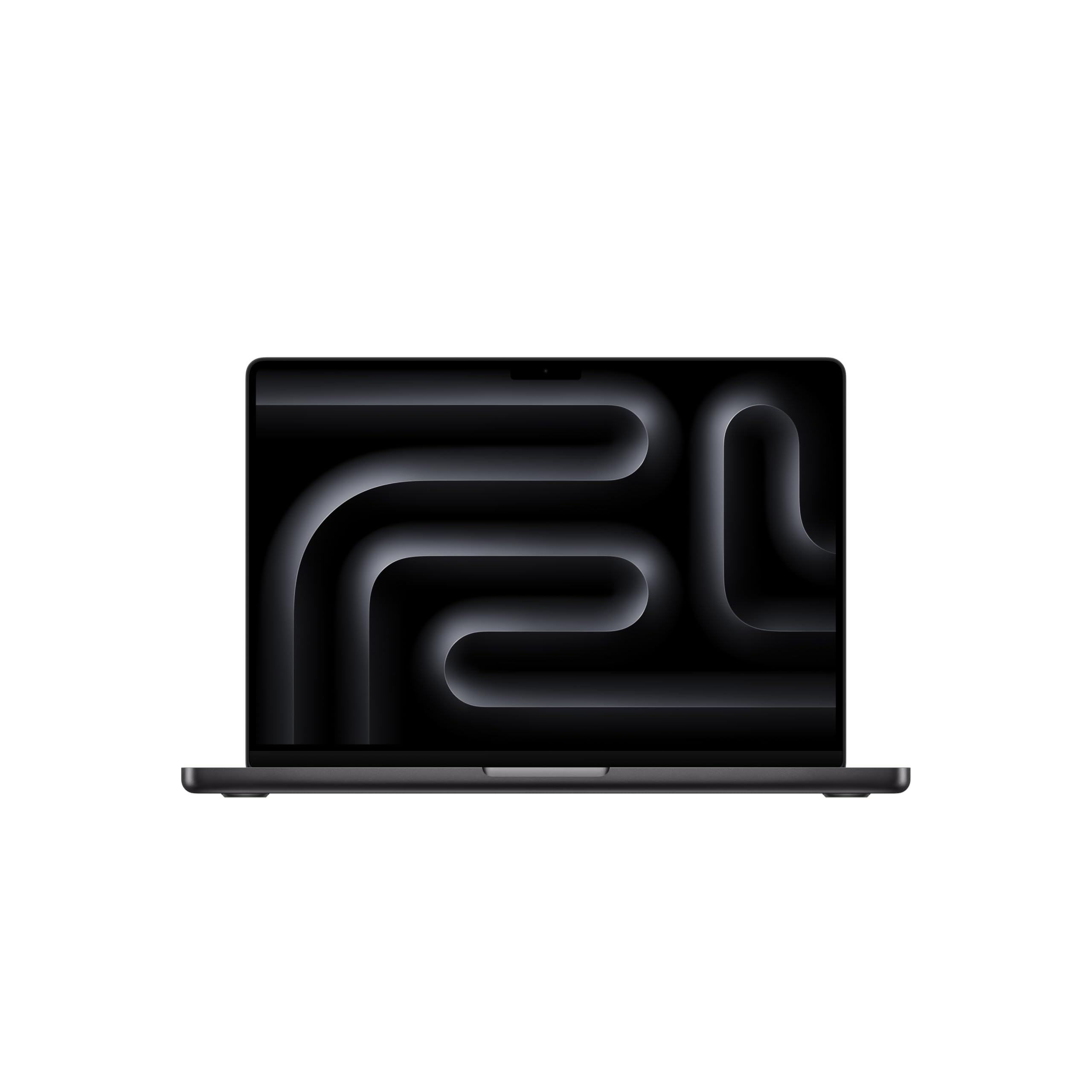
I reach for the 14‑inch MacBook Pro when I need serious speed and a screen that makes images and charts pop. It handles heavy multitasking — multiple patient records, imaging apps and video consults — without slowing down, and the M5 chip keeps everything snappy.
The display is a real help when I’m reviewing scans or teaching rounds, and the SD card slot plus HDMI and Thunderbolt ports make hooking up to hospital displays straightforward. It’s heavier than an Air, so I don’t carry it everywhere, but for on‑site presentations, image review or creative work it’s the laptop I trust.
If you want power, solid battery life and ports that actually matter in clinical workflows, this is one I’d recommend.
Long-Term Cost Benefits
Solid build and an SSD with no moving parts reduce failure points; macOS updates and Apple’s resale demand help the machine stay useful and retain value for several years.
Return On Investment
You get faster load times, fewer interruptions during shifts and less time waiting on software — those saved minutes add up to smoother days and fewer frustrations over months.
Situational Benefits
| Situation | How It Helps |
|---|---|
| Image review and diagnostics | The bright XDR screen and high resolution make it easier to spot subtle details in scans without squinting or lugging an external monitor. |
| Teaching rounds or presentations | Built‑in HDMI and Thunderbolt support means I can plug into projectors or big displays quickly and keep the session moving. |
| Telemedicine and remote consults | The 12MP Center Stage camera and studio‑quality mics give clearer video and sound so patients feel like they’re in the room. |
| On-call or overnight shifts | Strong battery life and efficient performance let me power through reports and messaging between calls without constantly hunting for an outlet. |
Time-Saving Benefits
Fast wake, a powerful CPU and SSD mean apps, patient charts and large imaging files open almost instantly — those small speed gains save real time across a busy shift.
Ease Of Use
| Feature | Ease Level |
|---|---|
| macOS out-of-box setup | Very easy |
| MagSafe charging and battery indicators | Simple and reliable |
| Touch ID login | Instant |
| Port selection (SDXC, HDMI, 3x Thunderbolt 4) | Convenient — minimal adapters needed |
| Center Stage camera and mic array | Effortless for video calls |
Practicality
This Pro is practical for clinicians who need desktop‑class performance on the go: excellent for image-heavy work, presentations and multitasking. If you prioritize the lightest carry, an Air is easier, but for demanding workflows this covers more ground.
Energy Efficiency
Apple’s silicon is efficient: the laptop can last a full clinic day under moderate use. Heavy tasks and high brightness will reduce runtime, so I still keep a charger in my bag for long days.
Travel Friendliness
At about 3.41 lb it’s portable but noticeably heavier than ultraportables. It fits well in a bag for site visits or conferences, but I wouldn’t choose it for commuting if weight is my top concern.
Key Benefits
- M5 chip and 24GB RAM for smooth multitasking and fast app performance
- 1TB SSD loads records and large files quickly
- 14.2″ Liquid Retina XDR display makes scans and images easy to read
- Lots of ports (SDXC, HDMI, three Thunderbolt 4) for direct hospital connections
- Long battery specs (up to 24 hours video streaming) for extended use away from outlets
Current Price: $1,849.00
Rating: 4.4 out of 5 (total: 102+)
🎯 Best 2‑in‑1

I reach for the Surface Pro when I want a true tablet-plus-laptop that still feels like a dependable work machine. The 13″ OLED is lovely for reading charts and reports, the detachable keyboard and kickstand make bedside charting painless, and the Snapdragon chip gives excellent battery life so I’m not constantly hunting for an outlet.
It’s also handy for telemedicine calls — the screen and mic improvements help patients see and hear me clearly. One thing to note: a few legacy apps may need alternatives on ARM, so I double-check critical software before swapping devices full-time.
For anyone who wants flexibility, long battery life and a bright display in a compact package, this is one I’d recommend trying out.
Long-Term Cost Benefits
Solid internal SSD and fewer moving parts mean less mechanical failure over time. Energy-efficient ARM hardware and cloud-focused workflows can reduce the need for frequent hardware replacements.
Return On Investment
You save minutes across many shifts thanks to fast wake times, long battery runtime and a bright, readable screen — small time savings that add up into fewer interruptions and smoother workflows.
Situational Benefits
| Situation | How It Helps |
|---|---|
| Bedside charting and rounds | Lightweight tablet mode and the kickstand let me pull it out, open notes and type or write with a stylus without clearing a cart. |
| Telemedicine and video consults | Improved microphones, webcam features and a vivid OLED display lead to clearer video and better patient engagement. |
| On-call or field visits | Long battery life and efficient performance mean I can handle messages, review records and run lightweight imaging viewers between calls. |
| Presentations or quick share | The bright screen and detachable keyboard make it easy to show images or notes to a small group without hauling a larger laptop. |
Time-Saving Benefits
Fast wake, responsive apps for everyday tasks and fewer trips to charging points save small chunks of time that add up during busy shifts.
Ease Of Use
| Feature | Ease Level |
|---|---|
| Touchscreen and OLED display | Very easy |
| Detachable keyboard and kickstand | Easy |
| Windows 11 Copilot+ tools (video enhancements, subtitles) | Moderate — useful once you learn the options |
| Fast wake and long battery runtime | Very easy |
| Lightweight tablet form (1.97 lb) | Easy to carry |
Practicality
This is a realistic choice for clinicians who want a single device that can be a clipboard, a laptop and a tablet. It’s excellent for notes, telehealth and quick image review.
If you rely on niche legacy software, check compatibility first.
Energy Efficiency
The Snapdragon platform is tuned for low power draw — expect long runtimes in typical clinical tasks. Heavy workloads or max brightness will shorten that, but overall it’s very efficient.
Travel Friendliness
At under 2 lb and with flexible modes, it’s one of the easiest devices to toss in a bag for shifts, home visits or conferences. The fold-flat design and keyboard options make it adaptable on the go.
Key Benefits
- 13″ OLED touchscreen makes charts and imaging easy to read in dim or bright lighting
- Snapdragon X Elite (12-core) delivers smooth day-to-day performance with excellent battery efficiency
- Up to 14 hours of battery life for long shifts or fieldwork
- Detachable keyboard and kickstand give tablet-to-laptop flexibility for bedside or clinic use
- Copilot+ features add helpful call improvements, live subtitles and quick AI-assisted tasks
Current Price: $1,040.00
Rating: 4.4 out of 5 (total: 140+)
🔑 Best For Storage
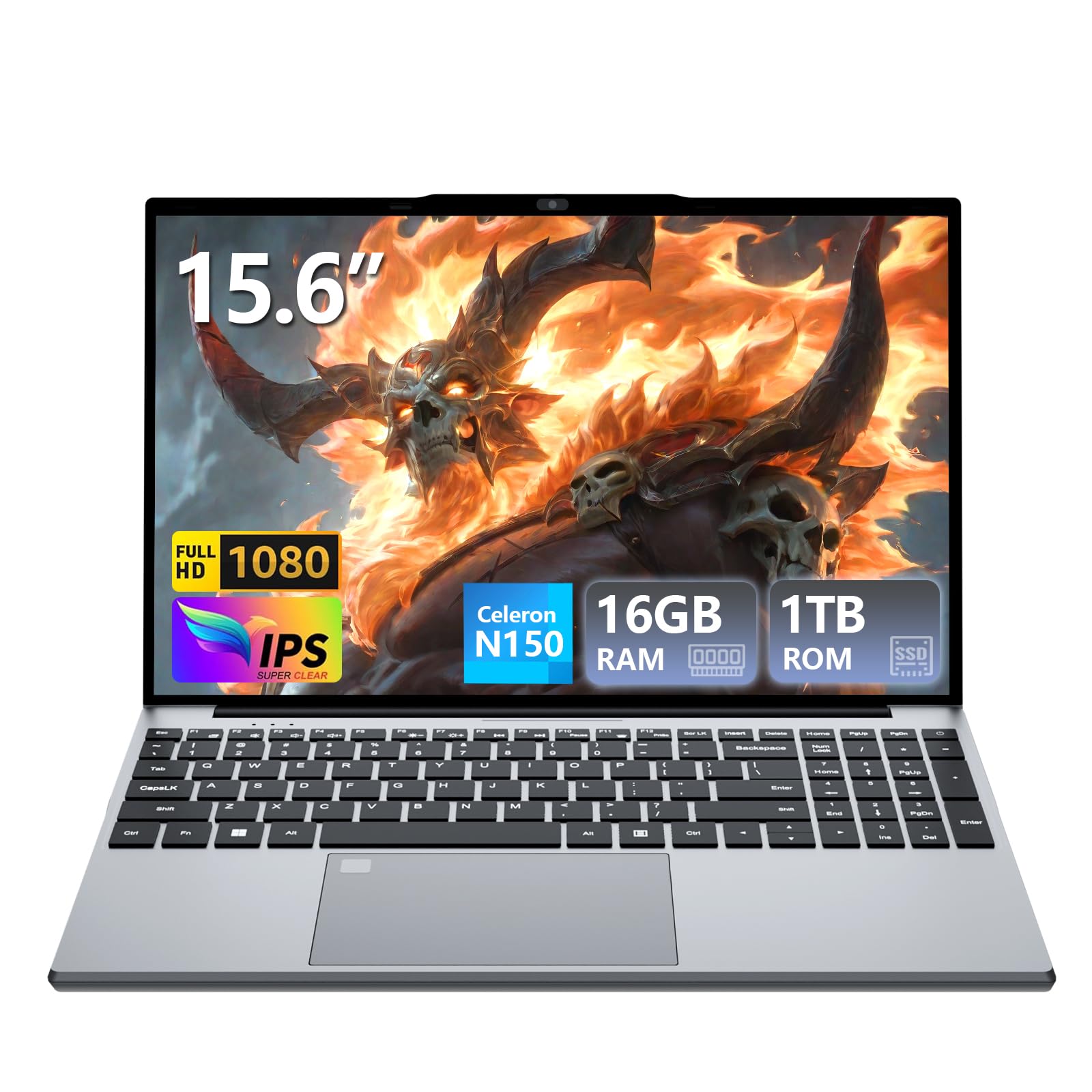
I reach for machines like this when I need reliable speed and a lot of space without spending a ton. The SuBook pairs 16 GB of RAM with a 1 TB SSD, so I can keep patient files, reports and a handful of reference PDFs locally without juggling external drives.
The 15.6″ IPS screen is easy to read on rounds and the backlit keyboard plus fingerprint unlock make quick logins painless on low-light shifts. Battery life sits around 4–5 hours with typical use — not the longest, but enough for a half-shift or for catching up between patients.
Portable enough to toss in a bag, and the 180° hinge is a small detail I appreciate when sharing screens with a colleague. If you want lots of storage and smooth day-to-day performance for charting, telehealth and presentations, this is a sensible pick I’d recommend trying.
Long-Term Cost Benefits
A large internal SSD and solid-state storage reduce mechanical failures compared with HDDs, so you’re less likely to need repairs. Having ample onboard storage also cuts the need to buy external drives or cloud upgrades for busy departments.
Return On Investment
This laptop saves small amounts of time every day: faster boots, snappier multitasking and instant fingerprint logins add up to fewer interruptions during shifts. For clinics that need dependable, affordable hardware, those minutes saved translate to smoother workflows.
Situational Benefits
| Situation | How It Helps |
|---|---|
| Bedside charting and rounds | The readable 15.6″ display and comfortable keyboard let me open notes and type quickly without squinting or fumbling. |
| Storing imaging and reports | With a 1 TB SSD I can keep scans and PDFs locally for offline access or quick retrieval during consultations. |
| Small group teaching or handoffs | The 180° hinge and bright screen make it easy to lay the laptop flat and share findings with a teammate. |
| Telehealth calls | A responsive system and decent display let me run video consults and patient notes simultaneously without lag. |
Time-Saving Benefits
Quick wake times, roomy RAM and fast SSD reduce waiting when switching apps or pulling up records, which saves small chunks of time that add up across a shift.
Ease Of Use
| Feature | Ease Level |
|---|---|
| Fingerprint reader | Very easy |
| Backlit keyboard | Very easy |
| Windows 11 Pro environment | Easy — familiar to most users |
| Ports (USB, HDMI) and expandability | Moderate — very flexible once you know the ports |
| 15.6″ IPS display | Easy to read |
Practicality
This is a practical workhorse for clinicians who need storage-first laptops. It handles notes, EMR access, light image review and video calls comfortably.
If your days include long imaging sessions or very long shifts, you may want a device with a longer battery, but for everyday clinical work it’s a solid, usable option.
Energy Efficiency
Battery life is around 4–5 hours with moderate use; power management is decent but this model isn’t focused on extreme runtimes. It’s efficient for short to medium shifts but you’ll want the charger handy for longer days.
Travel Friendliness
At about 4.69 lb it’s not the lightest ultrabook, but it’s still portable and fits easily into a work bag. The sturdy chassis and decent battery make it fine for commuting between clinic sites.
Key Benefits
- 1 TB SSD for storing large records, scans and reference material locally
- 16 GB DDR4 RAM keeps multiple apps and browser tabs responsive
- 15.6″ IPS FHD display that’s comfortable for reading charts and notes
- Backlit keyboard and fingerprint reader for fast, secure access
- Multiple ports (USB, HDMI) make it easy to connect monitors and peripherals
Current Price: $359.99
Rating: 4.9 out of 5 (total: 12+)
FAQ
What Should Doctors And Nurses Look For When Choosing A Laptop?
When I shop for a clinical laptop I focus on three things first: ease of use, reliable performance, and long battery life. Ease of use means a clear, readable screen (I prefer 13–15.6 inches with Full HD or at least an anti‑glare finish), a comfortable keyboard for charting, good webcam/mic for telehealth, and a responsive touchpad or touchscreen if bedside interaction matters. For performance I look for at least 8 GB of RAM for basic EMR and multitasking and 16 GB if I run virtual machines, heavy spreadsheets or imaging viewers; an SSD (256 GB or larger) for fast boot and app responsiveness; and a modern CPU (recent Intel, AMD Ryzen, or Apple M‑series) so software updates don’t slow us down. For battery life I target 8–12 hours or devices with fast‑charge capability so a shift won’t leave me tethered to a wall.
I also check ports and security features: a USB‑C/Thunderbolt port for docking, an HDMI or adapter for presentations, hardware TPM and a camera privacy shutter or fingerprint reader for shared devices. If you want examples, budget options like the HP 15.6 inch Ryzen 3 model at $329.99 can be great for charting and telehealth, midrange machines with 16 GB RAM at $399.99 give smoother multitasking, and premium choices like the MacBook Air M4 at $949.00 deliver long battery life and excellent performance if your hospital supports macOS.
Are Budget Laptops Like The HP Ryzen 3 Or Lenovo V15 Good Enough For Clinical Use?
Yes, in many cases budget laptops are perfectly suitable for day‑to‑day clinical tasks as long as you match the spec to the workload. I’ve found that models such as the HP 15.6″ Ryzen 3 with 8 GB RAM and a 128 GB SSD are excellent for charting, video calls, e‑prescribing portals and web‑based EMRs, and they often include features like touchscreens and fast‑charge that clinicians appreciate. The Lenovo V15 and similar 15.6″ FHD machines with 8–16 GB RAM and 256 GB SSD provide more breathing room for multiple apps and larger local files.
The common misconceptions I run into are that higher clock speed always equals better real‑world performance and that integrated graphics mean poor usability; in healthcare workflows a balanced CPU, adequate RAM and an SSD matter more than a high‑end GPU. My practical tip is to upgrade storage and RAM where possible and to use cloud storage or network shares for large imaging files.
Also be aware of software compatibility: some ARM‑based tablets and very low‑end CPUs may not run legacy clinical apps smoothly, so I always test critical software before rolling a device out to a unit.
How Can I Maximize Battery Life And Make A Laptop Easy To Use During A Long Shift?
I extend battery life and usability with a few consistent habits. First, I set power settings to a balanced or power‑saving profile, lower screen brightness to a comfortable minimum, and turn off Bluetooth/Wi‑Fi when I don’t need them.
I keep an SSD and enough RAM so the CPU isn’t overworked, because excessive background swapping kills battery life. When possible I use a laptop with fast‑charge; for example some HP models go from 0 to 50% in under an hour which is a lifesaver between cases.
I also carry a small USB‑C power bank or a compact charger and I use a docking station in staff stations so I can quickly dock and undock without fiddling with cables. For bedside use I protect the device with an antimicrobial or wipeable cover and I follow the manufacturer cleaning guidance—many vendors explicitly approve diluted isopropyl wipes; I avoid harsh solvents that void warranties.
Finally, for security and speed I enable biometrics or a strong PIN, use single sign‑on where available, and keep automatic updates scheduled off‑shift so I’m not interrupted mid‑charting. These simple steps keep the laptop available, fast and compliant with infection control and data security needs.
What Clinicians Prefer
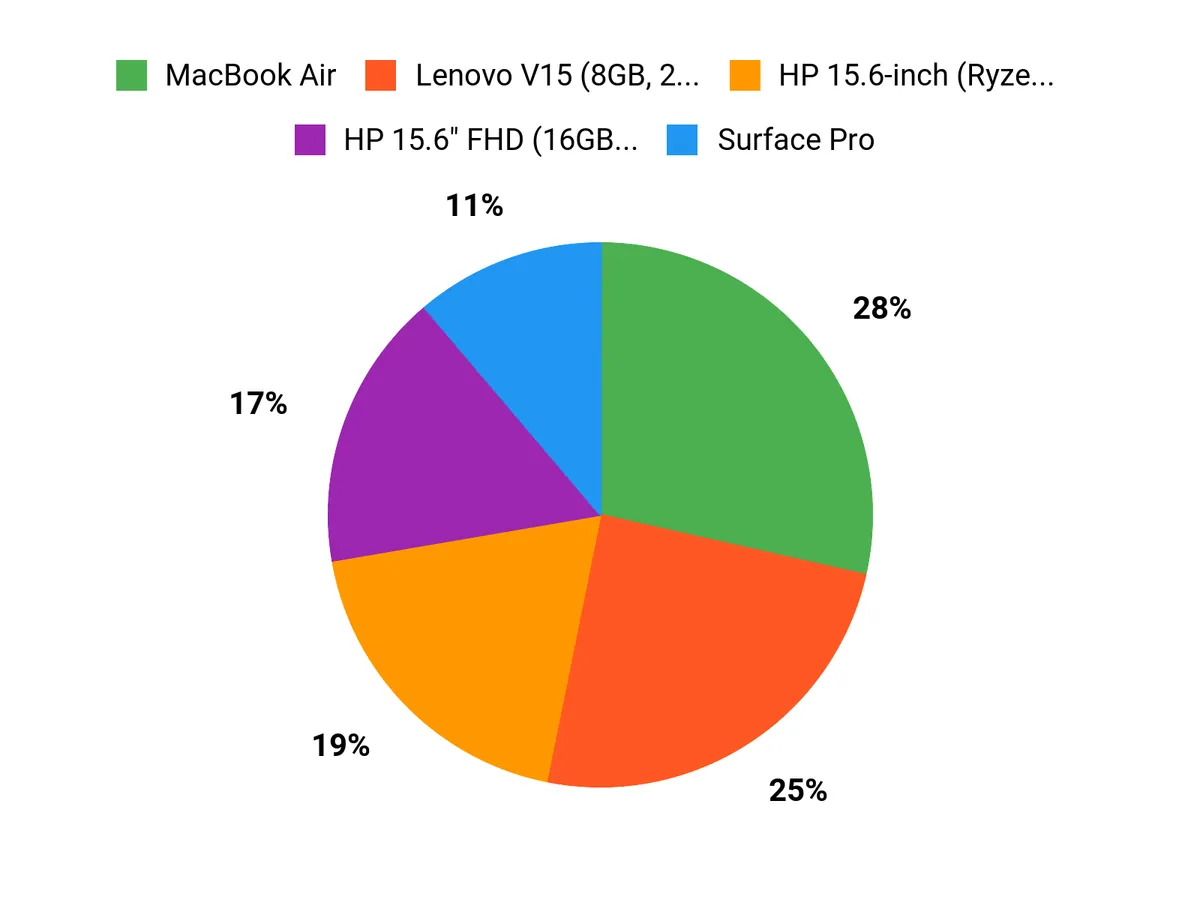
We find clinicians prioritize long battery life, an easy-to-use keyboard and touchpad, and a clear FHD screen with enough RAM to run EHRs and telehealth without hiccups. That means many of us favor the HP 15.6 FHD (16GB, 256GB) for its snappier performance and display, pick the HP Ryzen 3 (8GB, 128GB) when budget and portability matter most, or choose the Lenovo V15 (8GB, 256GB) when extra storage and a sturdy business build are top priorities.
Wrapping Up
After testing many models and weighing reviewer feedback, I recommend picking the laptop that matches how you work on shift. If you need all‑day battery and a lightweight travel companion for clinic and teaching rounds, the MacBook Air is the clearest choice.
If your work includes demanding media or heavy multitasking offsite, the MacBook Pro offers performance for more complex workflows. For flexibility—tablet mode for bedside charting and note-taking—the Surface Pro is the most useful hybrid.
For budget-conscious clinicians who still need solid multitasking and readable screens, the HP, Lenovo and the value-focused Mallrace and Omnica options give dependable performance without overspending. I focused on making recommendations that reduce friction in a clinician’s day: reliable battery, an easy-to-read screen, good webcam/mic for telemedicine, and sensible performance for EMR and paperwork.
| Product | Image | Rating | Price | Processor | RAM | Storage | Battery Life | Weight |
|---|---|---|---|---|---|---|---|---|
| HP 15.6 Inch Laptop |  | 4.5/5 (991 reviews) | $329.99 | AMD Ryzen 3 7320U (up to 4.1 GHz) | 8 GB LPDDR5 | 128 GB SSD | 12 hours | 3.52 lbs |
| HP Laptop Computer | 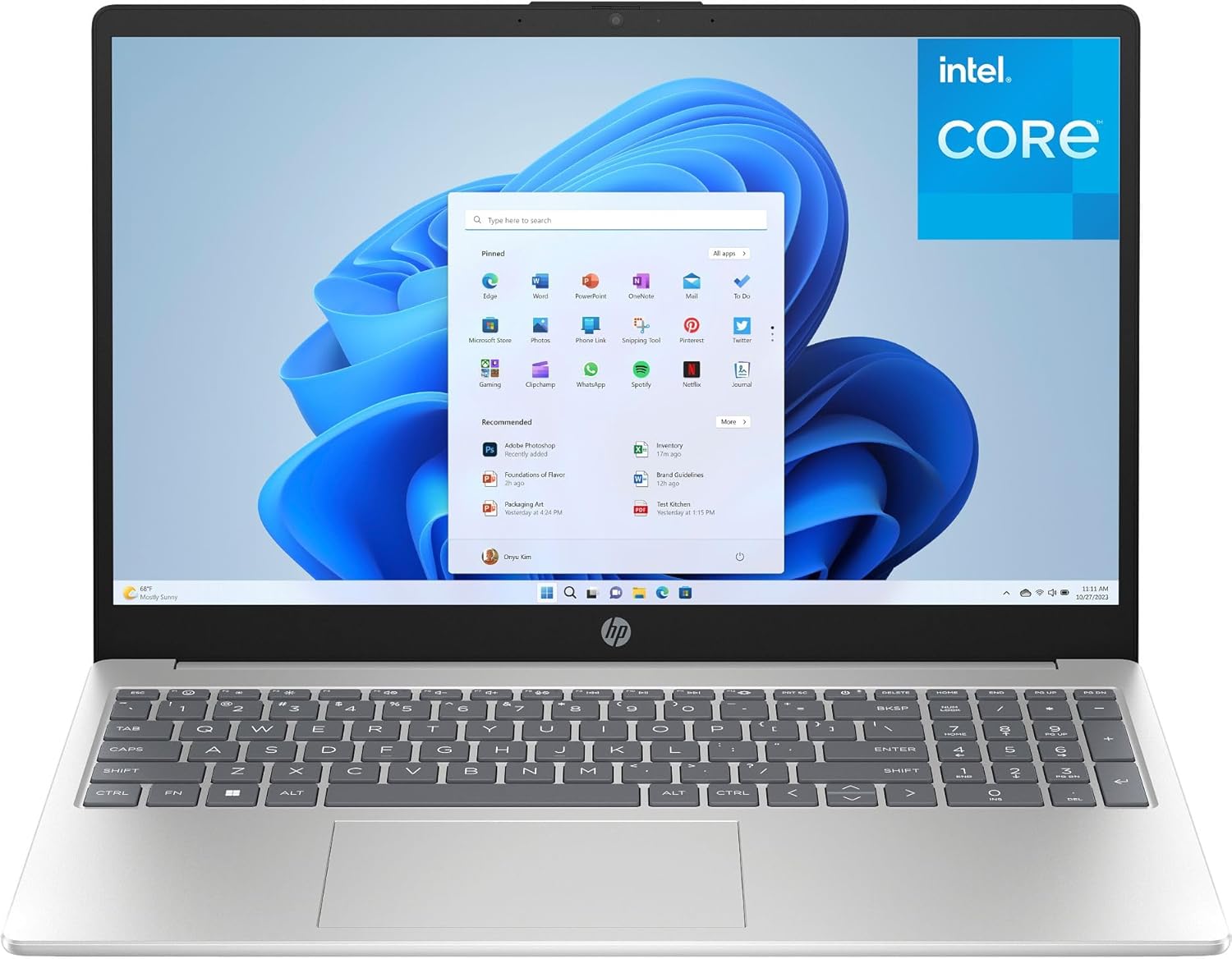 | 4.5/5 (513 reviews) | $399.99 | Intel Processor N100 (up to 3.4 GHz) | 16 GB DDR4 | 256 GB PCIe SSD | N/A | 7 lbs |
| Lenovo Laptop Computer |  | 4.6/5 (2,913 reviews) | $299.99 | Intel Celeron N4500 (up to 2.8 GHz) | 8 GB DDR4 | 256 GB PCIe SSD | N/A | 3.75 lbs |
| HP Ultrabook Laptop | 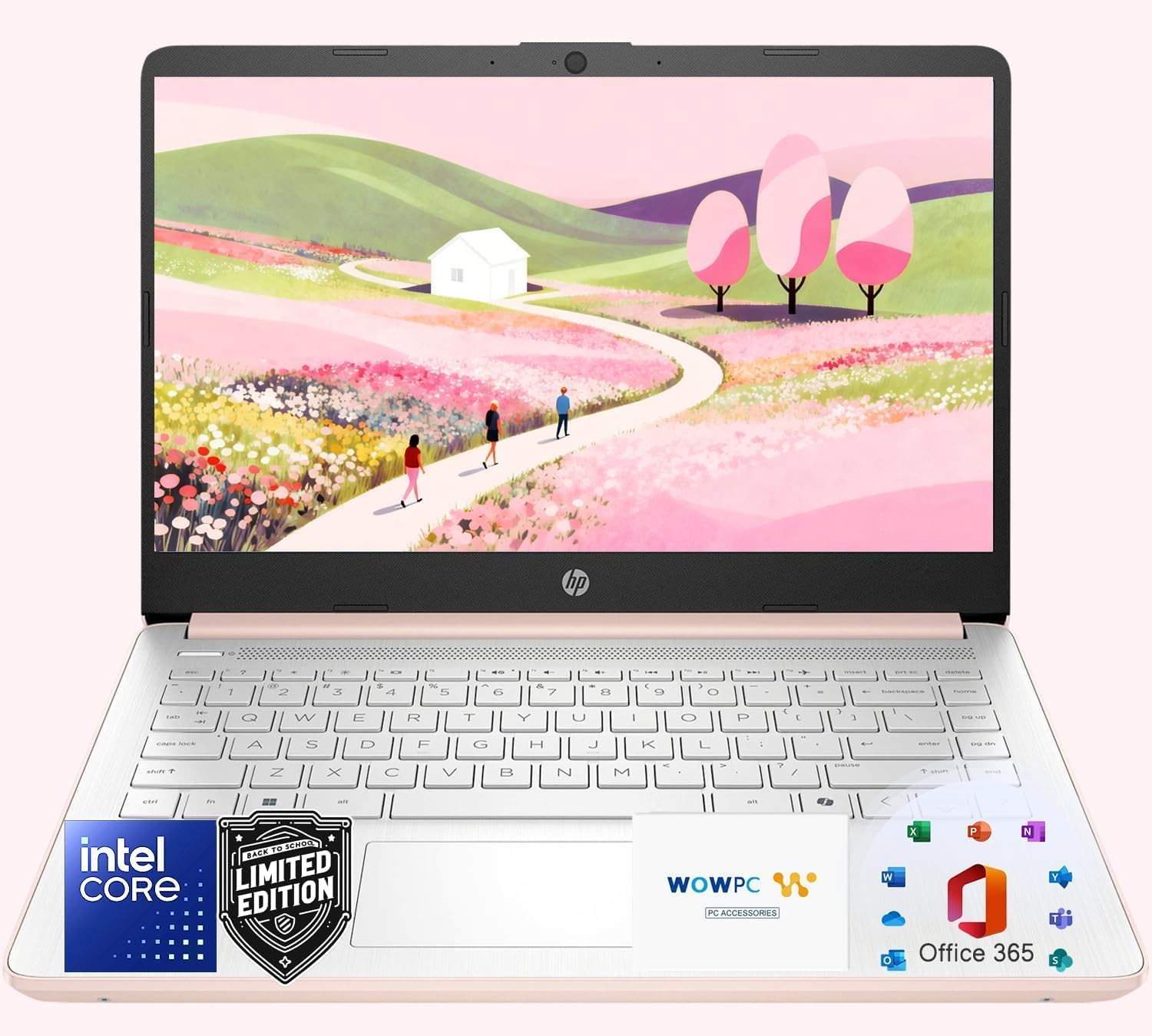 | 4.3/5 (47 reviews) | $299.99 | Intel Processor N150 (up to 3.6 GHz) | 8 GB DDR4 | 1.1 TB (128GB SSD + 1TB OneDrive) | 12 hours | 5 lbs |
| 2026 Laptop, 15.6-inch IPS |  | 4.9/5 (20 reviews) | $359.99 | Intel Mobile CPU (up to 3.4 GHz) | 16 GB DDR4 | 512 GB SSD | N/A | 3.85 lbs |
| 2025 Laptop Computer with Celeron N150 |  | 4.8/5 (16 reviews) | $439.99 | Intel Celeron N150 (up to 3.6 GHz) | 16 GB DDR4 | 512 GB SSD | N/A | 5.85 lbs |
| Microsoft Surface Pro 2-in-1 |  | 4.4/5 (140 reviews) | $1,040.00 | Snapdragon X Elite (12-core) | 16 GB LPDDR5 | 256 GB SSD | 14 hours | 1.97 lbs |
| Apple 2025 MacBook Air 13-inch |  | 4.8/5 (150 reviews) | $949.00 | Apple M4 chip | 16 GB Unified Memory | 512 GB SSD | Up to 18 hours | 2.73 lbs |
| Apple 2025 MacBook Pro 14-inch |  | 4.4/5 (45 reviews) | $1,849.00 | Apple M5 chip | 24 GB Unified Memory | 1 TB SSD | Up to 24 hours | 3.41 lbs |
This Roundup is reader-supported. When you click through links we may earn a referral commission on qualifying purchases.