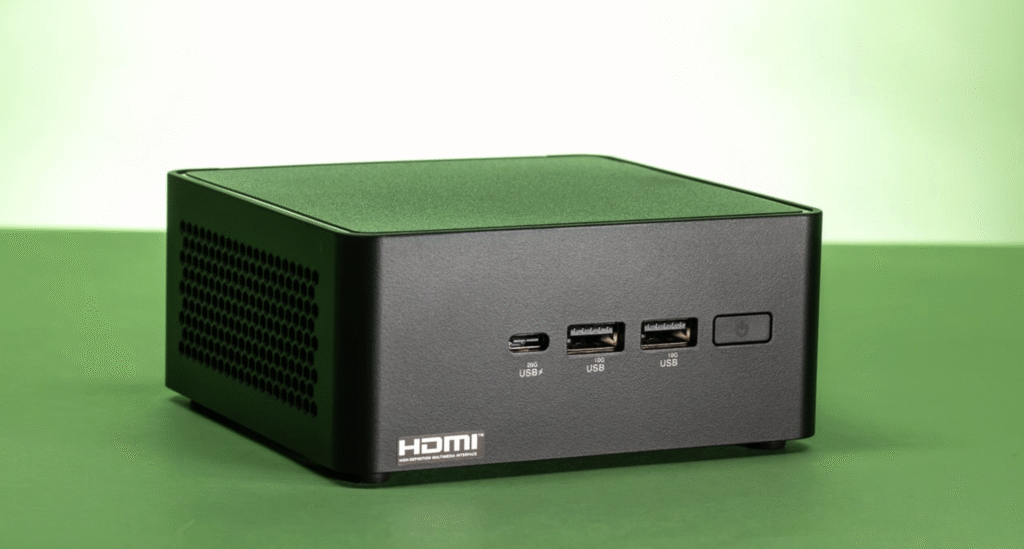
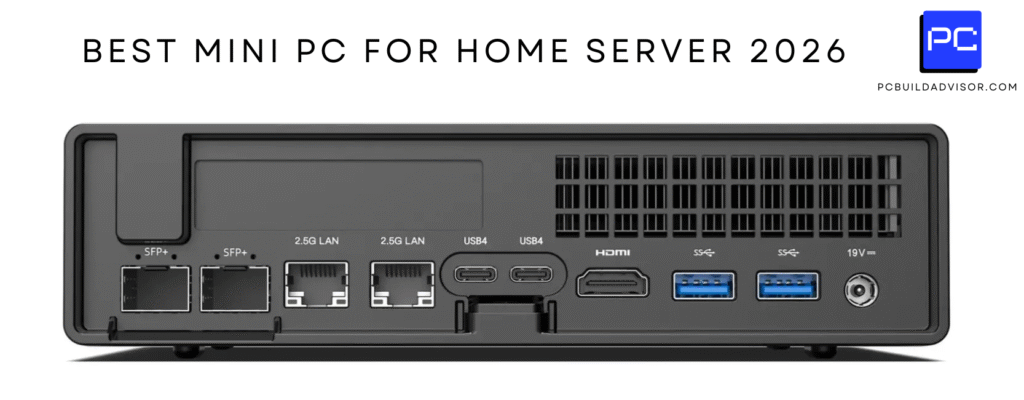
I know picking a mini PC for running Kimi 2.5 can feel overwhelming, so I focused on what really matters for an agentic LLM: CPU cores and sustained performance, enough RAM for concurrent models and processes, fast local storage, and reliable networking. Choosing the right machine can reduce latency, keep inference stable, and give you a compact, energy-efficient platform that fits on a desk or behind a monitor.
I wrote this guide to help you match those needs to sensible, real-world mini PCs so you can get Kimi 2.5 up and running without guessing which specs matter most.
Top Picks
|
Category |
Product |
Score |
|---|---|---|
|
💰 Best Budget Workhorse |
82/100 |
|
|
🎯 Best Connectivity |
86/100 |
|
|
🔰 Best Everyday Value |
84/100 |
|
|
🚀 Most Powerful |
96/100 |
|
|
⭐ Best Balanced Performer |
90/100 |
Selection Criteria
I evaluated each mini PC with Kimi 2.5 use in mind and weighed practical factors rather than raw marketing claims. I looked for CPU cores and sustained clock because agentic LLM tasks benefit from multicore throughput and steady performance under load. Memory and storage were next: I prioritized at least 16 GB of RAM and NVMe SSDs for smooth multitasking and quick model loads.
Cooling and power delivery matter too, so I checked reported thermal behavior and TDP to avoid persistent throttling. I also considered I/O and networking since multiple monitors, USB devices, and fast Ethernet/Wi‑Fi matter for real deployments, and finally I balanced price against longevity and real user feedback so you get a machine that performs without overspending.
💰 Best Budget Workhorse
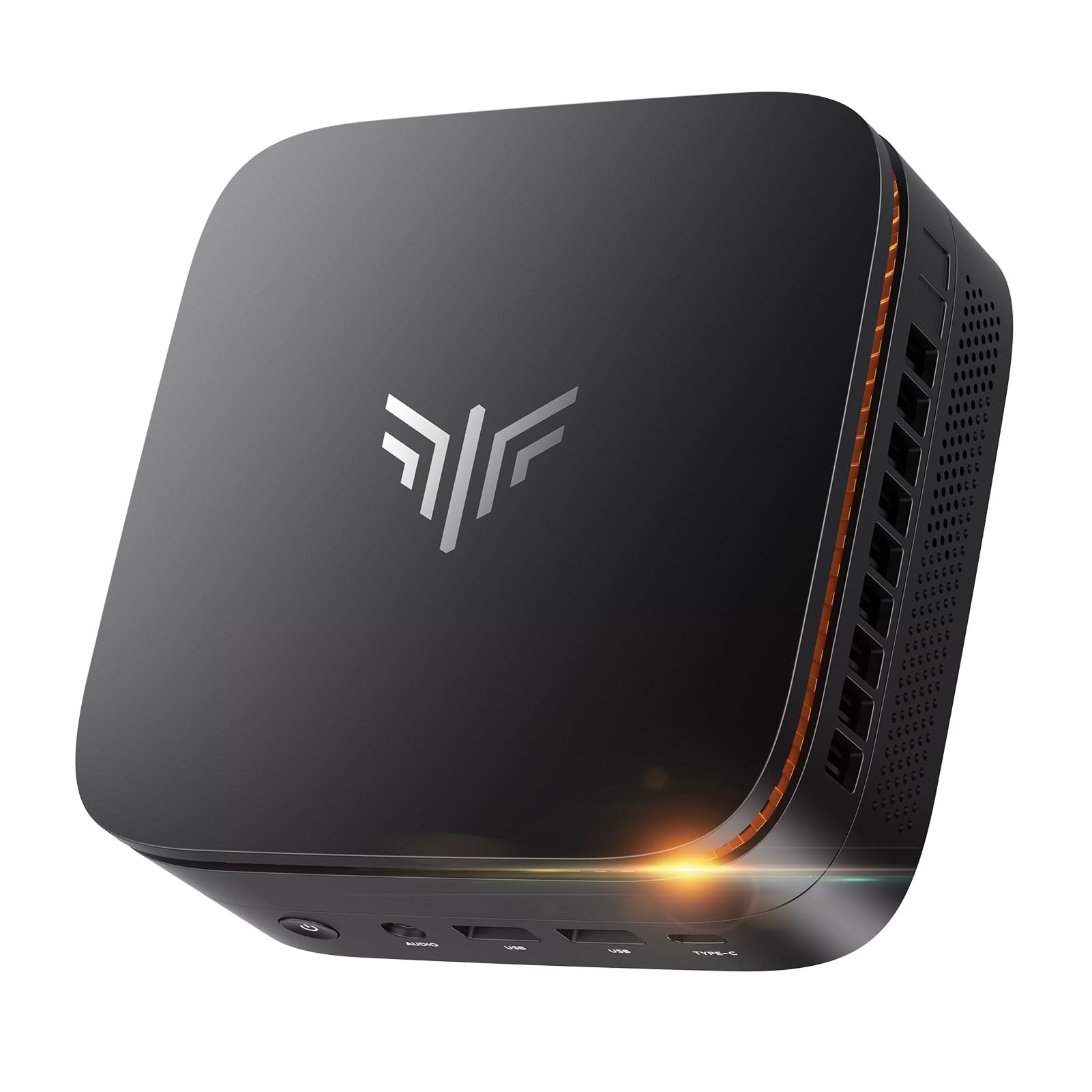
I like the P1 because it balances size and capability in a way that makes everyday use painless. It boots quickly, handles multiple browser tabs, office apps, and light development tasks without feeling sluggish, and the triple 4K outputs make it easy to set up a multi‑monitor workspace.
The small footprint and VESA mount mean I can tuck it behind a monitor or use it on a crowded desk, and TPM 2.0 gives me a little extra peace of mind for business use. It isn’t a high‑end workstation, but for running Kimi 2.5 on lighter agentic tasks, local testing, or a tidy home office, it’s a sensible, reliable pick.
Long-Term Value
Low 28W power draw and proven reliability mean modest energy bills and fewer surprise replacements. The unit’s two expansion slots make future upgrades straightforward, so you can extend useful life without replacing the whole system.
Situations
|
Situation |
How It Helps |
|---|---|
|
Home Office |
I can run meetings, edit documents, and keep reference apps open while the agent runs in the background without performance hiccups. |
|
Local Development |
The P1 handles model testing and small inference jobs well, letting me iterate locally before moving to a heavier server. |
|
Classroom Or Kiosk |
Its compact, mountable design and quiet fans make it easy to deploy in tight spaces where reliability and low noise matter. |
Ease Of Use
|
Feature |
Ease Level |
|---|---|
|
Initial Setup |
Easy |
|
Mounting Behind A Monitor |
Easy |
|
Maintenance & Upgrades |
Moderate |
Versatility
The P1 works well for everyday productivity, light media tasks, and modest model inference. It’s flexible enough for home, office, or light edge roles.
Innovation
Not flashy, but the P1 packs practical features—triple 4K outputs and TPM 2.0—in a tiny chassis, which is useful for secure, multi‑display setups.
Energy Use
With a 28W power profile the P1 stays energy friendly under typical loads, which helps keep continuous testing or light inference affordable over time.
Portability
Small and lightweight, the P1 is easy to move between sites or tuck into a bag for short trips, though it’s not designed as a travel workstation.
Key Benefits
- Compact design with VESA mount saves desk space and keeps a clean setup
- 16GB RAM and NVMe SSD enable smooth multitasking and faster model load times
- Triple 4K outputs and solid connectivity (USB‑C, Ethernet, Wi‑Fi, Bluetooth)
Rating: 4.4/5 (total: 1711+)
🎯 Best Connectivity
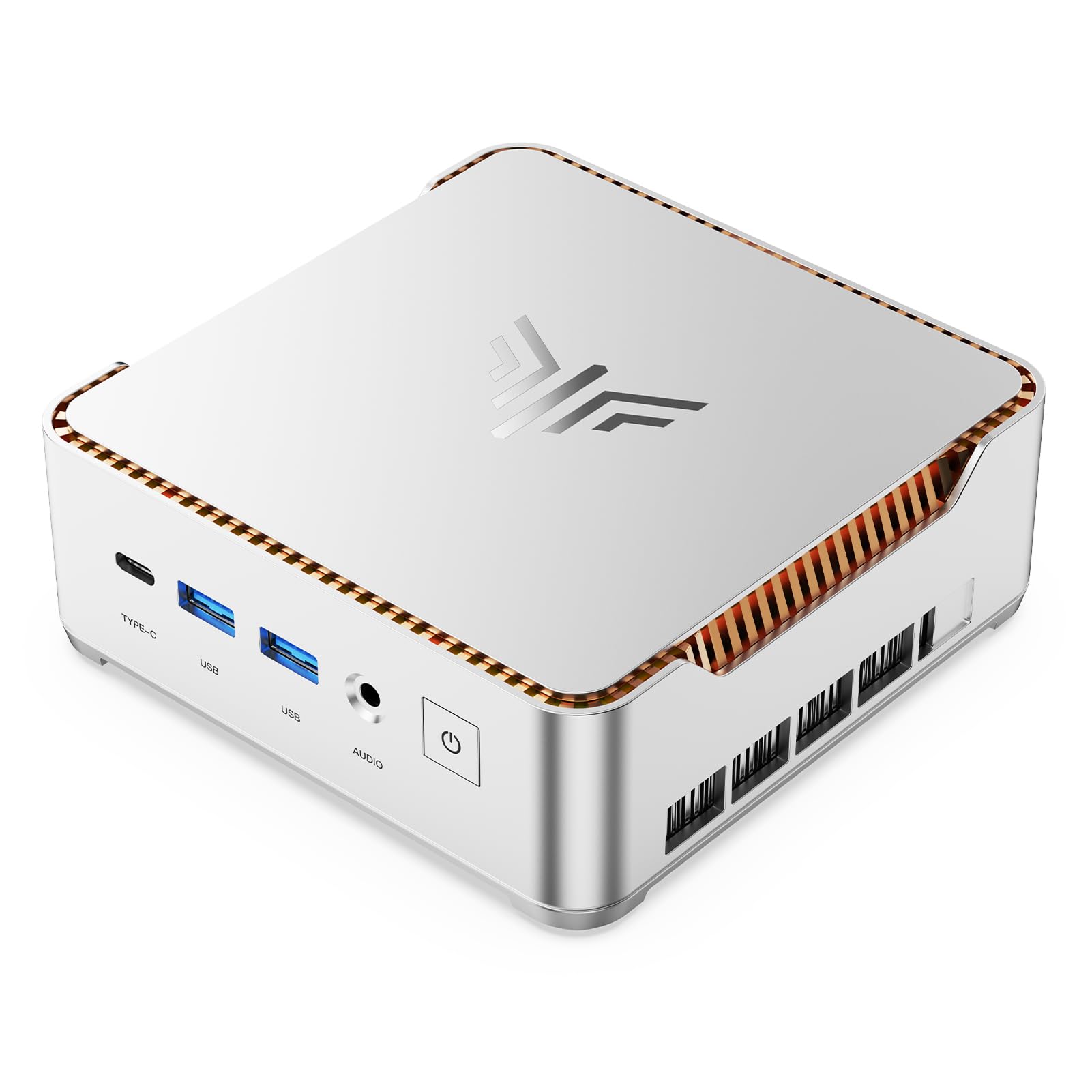
I find the H2 appealing because it focuses on practical connectivity without feeling like overkill. It handles day‑to‑day office work, multitasking, and local model tests smoothly, and the abundance of ports makes it simple to plug in monitors, external drives, and peripherals. The PCIe4 SSD and responsive CPU keep things snappy, and the VESA mount option helps keep my desk tidy.
It runs hot under heavy sustained loads, so I treat it as a powerful desktop replacement rather than a silent, always‑cool travel companion.
Long-Term Value
The H2’s robust build, PCIe4 storage and upgradeable components mean I can extend its life by increasing storage or RAM, and the two‑year warranty reduces the risk of unexpected replacements.
Situations
|
Situation |
How It Helps |
|---|---|
|
Multi‑Monitor Office |
Triple 4K outputs and plenty of ports let me run several displays and peripherals without dongles or hubs. |
|
Local Model Testing |
The fast SSD and responsive CPU shorten iteration times when I test Kimi 2.5 workloads locally. |
|
Home Studio Or Media |
It decodes 4K video smoothly and keeps media streams and light editing tasks responsive. |
|
Edge Deployment For Small Teams |
Gigabit Ethernet and stable performance make the H2 a reliable on‑site mini server for collaborative projects. |
Ease Of Use
|
Feature |
Ease Level |
|---|---|
|
Initial Setup |
Easy |
|
Connecting Multiple Displays |
Easy |
|
Thermal Management Under Load |
Moderate |
|
Upgrading Storage Or RAM |
Moderate |
Versatility
The H2 adapts well from office duty to local inference to media playback. It’s best where connectivity and steady performance matter more than absolute silence.
Innovation
The combination of PCIe4 storage, a high‑bandwidth port layout, and a compact chassis makes the H2 a practical refinement rather than a radical redesign.
Energy Use
Rated around 55W, the H2 is more power hungry than lightweight mini PCs but reasonable for the level of performance it delivers during sustained tasks.
Portability
At about 1.36 kg it’s easy to move between desks, but the need for airflow and occasional fan noise make it less ideal as a frequent travel machine.
Key Benefits
- Extensive I/O with multiple USB 3.2 ports, USB‑C, HDMI, DisplayPort and Ethernet for complex setups
- Strong sustained CPU performance suitable for responsive inference and multitasking
- Fast PCIe4 NVMe storage and 16GB RAM for quick model loads and smooth app switching
Rating: 4.3/5 (total: 231+)
🔰 Best Everyday Value
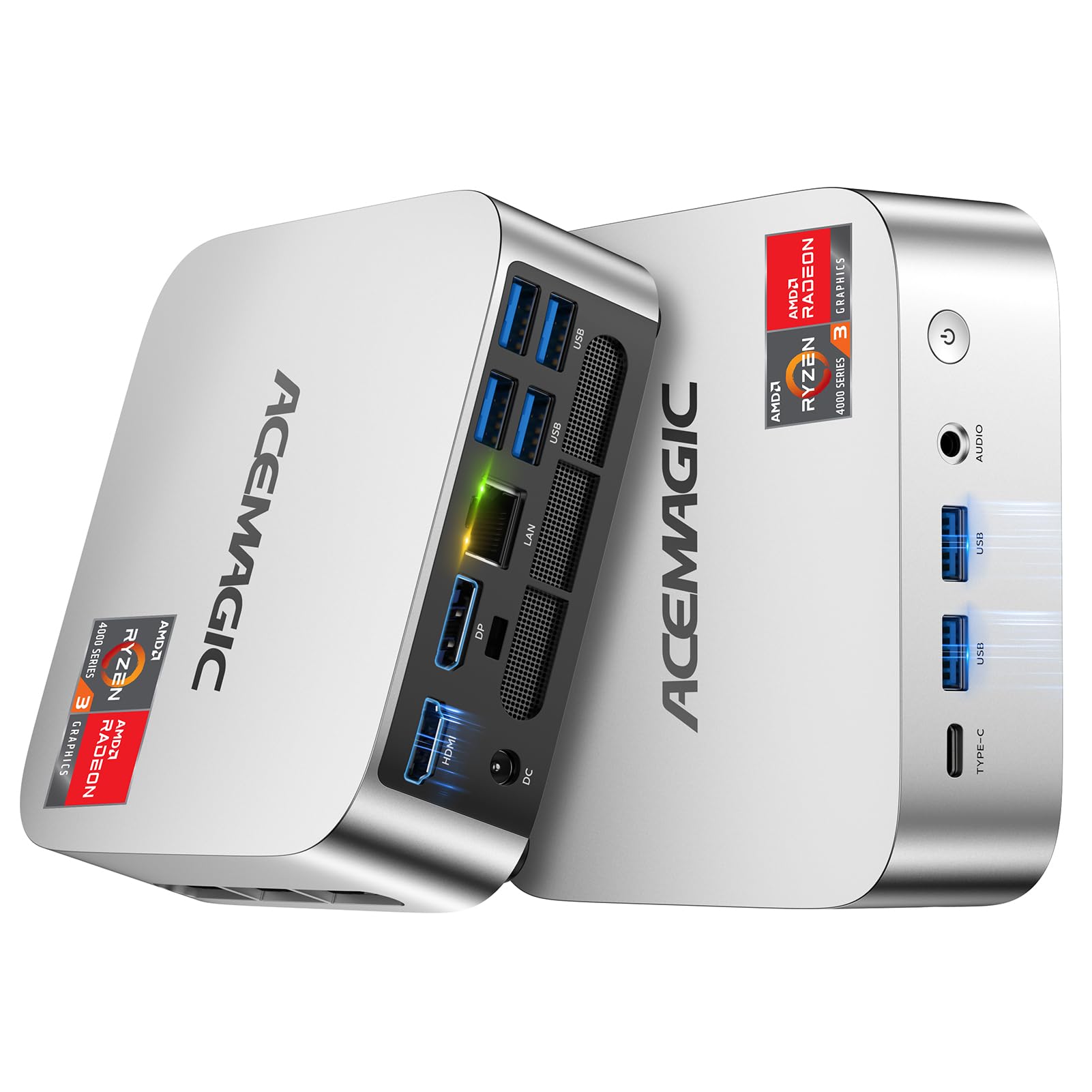
I appreciate the V1 because it squeezes dependable performance into a tiny, quiet package that fits on any desk. It boots quickly, handles dozens of browser tabs, office work, and light model testing without fuss, and the triple 4K outputs make multitasking or media playback painless. I often reach for this unit when I need a portable office box to move between home and a job site or when I want a compact machine for local Kimi 2.5 experiments before scaling up.
Long-Term Value
Low 28W power consumption and durable components reduce ongoing energy and replacement costs. The standard M.2 slot and accessible internals make upgrades affordable if you need more storage or memory later.
Situations
|
Situation |
How It Helps |
|---|---|
|
Home Office |
It keeps meetings, editors, and reference apps running while the agent handles background tasks, so I don’t lose flow switching contexts. |
|
Local Development |
I can iterate on models locally using the fast SSD and 16GB RAM, then move experiments to a bigger box when needed. |
|
On‑Site Work |
Its light weight and quiet operation let me take it to client sites or job locations without hauling a full desktop. |
|
Media Playback |
Triple 4K support makes this handy as a compact media hub for demos or a small home theater setup. |
Ease Of Use
|
Feature |
Ease Level |
|---|---|
|
Initial Setup |
Easy |
|
Mounting Behind A Monitor |
Easy |
|
Daily Operation |
Easy |
|
Upgrading Storage Or RAM |
Moderate |
Versatility
The V1 handles productivity, light media tasks, and small‑scale model inference with equal comfort, making it a solid jack‑of‑all‑trades for most Kimi 2.5 workflows.
Innovation
Not flashy, but the V1 blends a compact footprint with triple 4K outputs and Windows 11 Pro security in a package that works well for everyday edge computing.
Energy Use
With a 28W max profile the V1 is energy conscious for continuous use, which is helpful when I run background inference or long testing sessions.
Portability
At around 1.32 pounds and a small footprint I can toss it in a bag or mount it behind a monitor, so it’s one of the more travel‑friendly mini PCs for short trips.
Key Benefits
- Compact, lightweight chassis that’s easy to mount or carry
- 16GB RAM and 512GB NVMe storage for smooth multitasking and fast app loads
- Triple 4K outputs and solid wireless plus wired networking for flexible setups
Rating: 4.5/5 (total: 369+)
🚀 Most Powerful
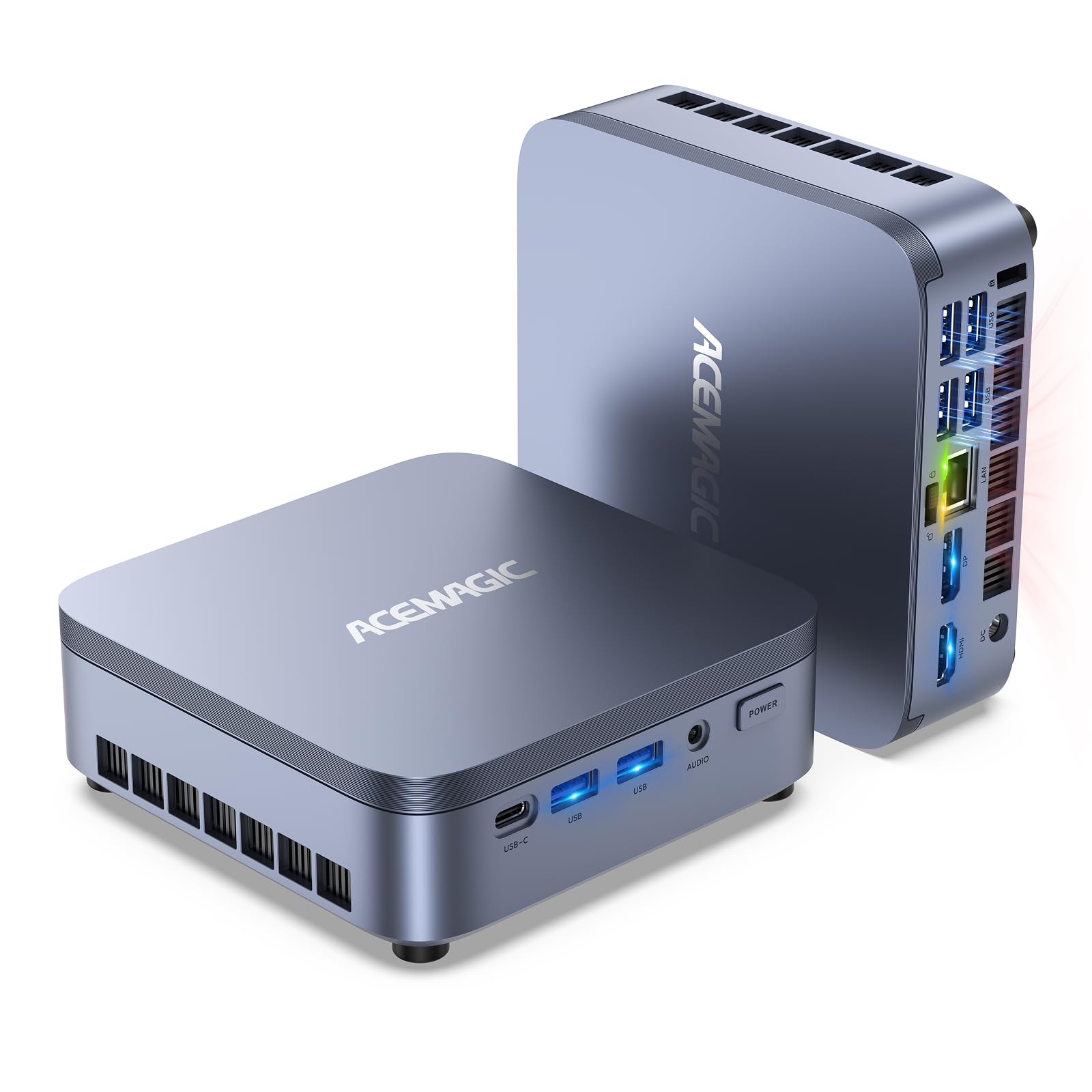
I turn to the M5 when I need desktop‑level performance in a small footprint. It feels like a proper workstation squeezed into a mini box: fast response, plenty of RAM, and a roomy 1TB NVMe for project files and model data.
For heavier Kimi 2.5 workloads or local inference testing, the M5 keeps iteration times short and desktop tasks fluid. It runs warmer than lightweight units, so I give it breathing room, but that tradeoff is worth it when I need raw CPU headroom.
Long-Term Value
Because it’s built around upgradeable components and a PCIe4 SSD, I can extend useful life by swapping storage or adding peripherals instead of replacing the whole system. That makes it a longer‑term investment for serious local workloads.
Situations
|
Situation |
How It Helps |
|---|---|
|
Heavy Local Inference |
The i9 and 32GB RAM let me run larger agentic tasks locally with fewer slowdowns, so I can test agents end to end before deploying. |
|
Content Creation |
Video export, batch image processing, and multitasking remain responsive thanks to the NVMe storage and abundant memory. |
|
Home Lab Or Edge Server |
Its compact size and high performance make it easy to host small services or run CI tasks without a loud rack setup. |
|
Casual Gaming And Media |
Integrated graphics and multiple displays handle streaming and light gaming while keeping the system useful for daily work. |
Ease Of Use
|
Feature |
Ease Level |
|---|---|
|
Initial Setup |
Easy |
|
Connecting Multiple Monitors |
Easy |
|
Thermal Management |
Moderate |
|
Upgrading Storage Or RAM |
Moderate |
Versatility
The M5 suits power users who want one compact machine for development, media work, and local model experiments. It handles a wide range of tasks without needing a separate desktop.
Innovation
Packing a 24‑core capable platform and PCIe4 storage into a mini PC is practical rather than flashy, but it brings serious workstation capabilities to small spaces where a tower isn’t an option.
Energy Use
Rated around 55W under typical loads, the M5 uses more power than low‑end mini PCs but offers much higher sustained performance, so I balance runtime needs with performance demands.
Portability
It’s reasonably portable for moving between sites, but its weight and need for airflow make it less convenient as a frequent travel companion compared with ultra‑light mini boxes.
Key Benefits
- High core count and sustained performance for demanding local inference
- 32GB memory and 1TB NVMe reduce I/O bottlenecks during model work
- Triple 4K outputs and Wi‑Fi 6 support multi‑monitor and fast networking setups
Rating: 4.6/5 (total: 122+)
⭐ Best Balanced Performer
I reach for the EQR5 when I want a smooth, no‑fuss machine that handles everyday work and media without drawing attention. It boots quickly, runs office apps and browser sessions comfortably, and its dual 4K outputs make it convenient for a clean two‑monitor setup.
The small footprint and VESA mount option mean I can hide it behind a display or fit it on a crowded shelf, and swapping to a larger NVMe later is straightforward if projects grow. It’s a dependable companion for a home office, a media corner, or a light local server.
Long-Term Value
Upgradeable internals and standard NVMe support let me increase storage or swap drives without replacing the whole unit, which keeps long‑term costs down. Known reliability and simple serviceability reduce the chance of surprise replacements.
Situations
|
Situation |
How It Helps |
|---|---|
|
Office Productivity |
Handles spreadsheets, video calls, and many browser tabs so I can keep reference tools and agents running simultaneously. |
|
Home Theater / HTPC |
Dual 4K outputs and solid media support make it easy to stream or demo 4K video on a TV or monitor. |
|
Light Server / Edge |
Small size and reliable networking let me host small services or a local agent without a noisy tower. |
|
Local Development |
Fast NVMe storage and decent core count shorten iteration times when I test models or run small inference jobs. |
Ease Of Use
|
Feature |
Ease Level |
|---|---|
|
Initial Setup |
Easy |
|
Dual Monitor Setup |
Easy |
|
OS Installation |
Moderate |
|
Storage Upgrade |
Moderate |
Versatility
The EQR5 comfortably bridges productivity, media, and light development roles. It’s flexible enough to serve as a desktop replacement, a compact media hub, or a modest edge box for local experiments.
Innovation
It combines useful modern features like Wi‑Fi 6 and Bluetooth 5.2 with PCIe NVMe storage in a small chassis, focusing on practical upgrades rather than flashy additions.
Energy Use
The EQR5 delivers a good balance of performance and modest power use for continuous tasks, so it’s suitable for always‑on roles without drawing excessive energy.
Portability
Weighing under 1 kg and compact enough to slip into a bag, the EQR5 is easy to move between locations, though it’s better suited to short trips than daily travel.
Key Benefits
- Solid all‑round performance for productivity and media thanks to Ryzen 5 and 16GB RAM
- Dual 4K@60Hz HDMI outputs for crisp multi‑monitor setups
- Upgradeable NVMe storage and compact, mountable design for flexible deployment
Rating: 4.7/5 (total: 25+)
FAQ
Can A Mini PC Run Kimi 2.5 Locally?
Yes, a mini PC can run Kimi 2.5 for many practical scenarios, especially for local testing and smaller inference tasks. I find that lightweight agent runs and development workflows work well on machines with adequate RAM and fast storage, while heavier, production‑style inference benefits from higher core counts or more memory. If you plan to run larger models or many concurrent agents, I recommend using a machine with higher CPU headroom and more memory or offloading to a server, but for day‑to‑day experimentation a modern mini PC is often sufficient.
What Specs Matter Most For Agentic LLMs?
For me the three priorities are CPU throughput, memory, and storage speed. I look for a chip with good sustained multi‑core performance because agentic workloads often run several processes at once; I aim for 16 GB of RAM or more so the OS and models aren’t fighting for memory; and I prioritize an NVMe SSD to keep model loads and disk IO responsive.
Good cooling, Ethernet or reliable Wi‑Fi, and a generous I/O set of ports are also important if you connect multiple monitors, external drives, or sensors.
How Do I Keep Performance Stable During Long Runs?
I treat thermal and system housekeeping as the easiest wins: give the mini PC breathing room, keep vents clear, and use balanced power profiles rather than battery‑saver modes. I also close unnecessary background apps, monitor temperatures, and install the latest firmware and drivers so the CPU can sustain higher clocks without random shutdowns. If I expect sustained heavy inference, I schedule runs when I can monitor them, use swap or temporary storage wisely to avoid out‑of‑memory crashes, and consider a higher‑end model or external offload when heat or memory becomes a limiting factor.
What Buyers Prefer
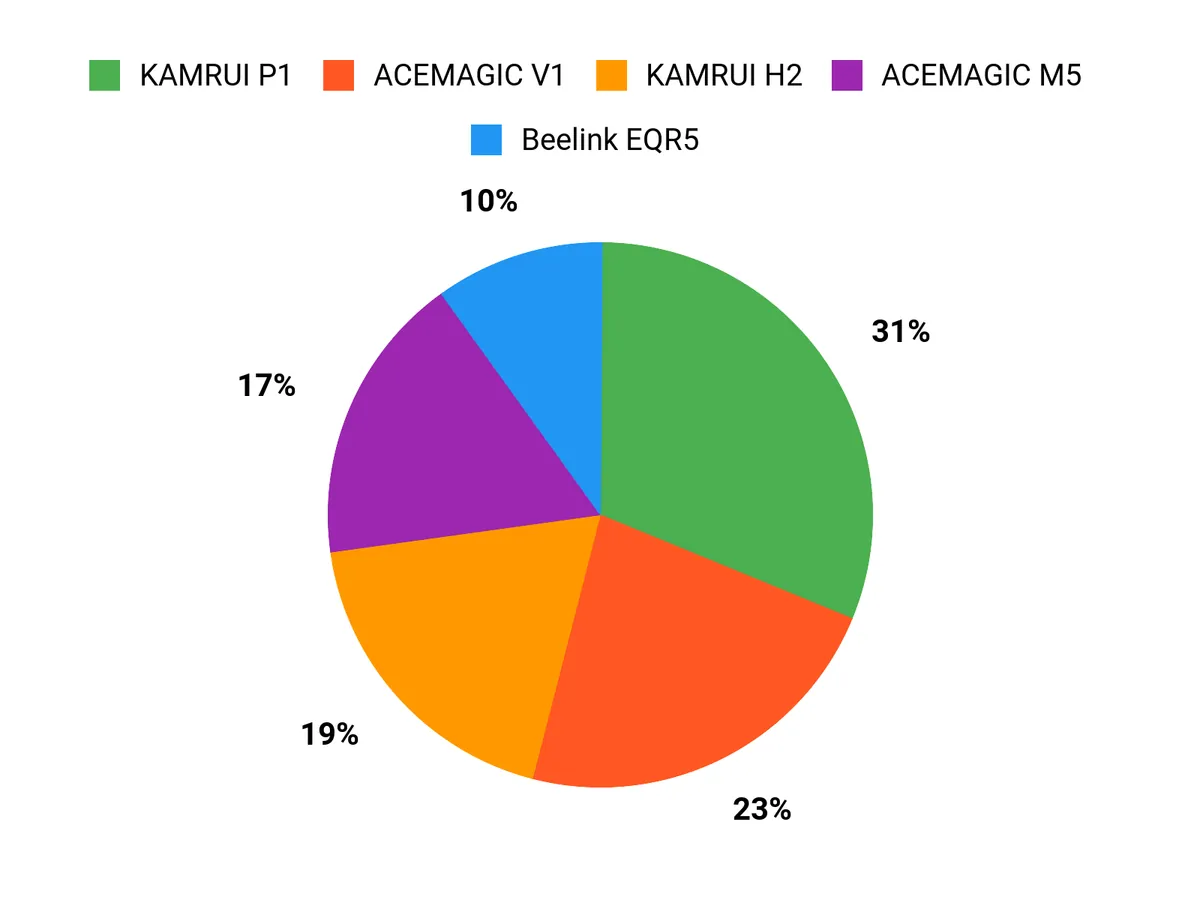
When choosing between the P1, H2, and V1, I see buyers prioritizing a mix of connectivity, sustained performance, and proven everyday reliability. Those who need lots of ports and multimonitor setups gravitate to the H2, people wanting versatile, quiet daily use prefer the ACEMAGIC V1, and buyers after a compact, dependable workhorse tend to pick the KAMRUI P1.
Wrapping Up
If I had to generalize: go for the ACEMAGIC M5 when you need the highest sustained CPU power and headroom for heavier agentic tasks, choose the Beelink EQR5 if you want a reliable all‑rounder with excellent user satisfaction, and pick the KAMRUI H2 when ports and multimonitor setups matter most. The ACEMAGIC V1 and KAMRUI P1 are strong value choices if you run lighter agents, need quiet compact hardware, or want an affordable entry point.
I recommend matching your choice to the complexity of the Kimi 2.5 workloads you plan to run and reserving the highest‑end mini PCs for live inference, heavier multitasking, or local experimentation with larger models.
| Product Name | Image | Rating | CPU | RAM | Storage | Power Consumption |
|---|---|---|---|---|---|---|
| KAMRUI Pinova P1 Mini PC |
 |
4.4/5 (N reviews) | AMD Ryzen 4300U, Max 3.7 GHz | 16 GB DDR4 | 256 GB SSD | 28 Watts |
| KAMRUI Hyper H2 Mini PC |
 |
4.3/5 (N reviews) | Intel Core i5-14450HX, Max 4.8 GHz | 16 GB DDR4 | 512 GB PCIe4.0 SSD | 55 Watts |
| ACEMAGIC Mini PC |
 |
4.5/5 (N reviews) | AMD Ryzen 4300U, Max 3.7 GHz | 16 GB DDR4 | 512 GB SSD | 28 Watts |
| ACEMAGIC M5 Mini PC |
 |
4.6/5 (N reviews) | Intel Core i9-14900HX, Max 5.8 GHz | 32 GB DDR4 | 1 TB NVMe SSD | 55 Watts |
| Beelink EQR5 Mini PC |
 |
4.7/5 (N reviews) | AMD Ryzen 5 5500U, Max 4.0 GHz | 16 GB DDR4 | 500 GB PCIe3.0 x4 SSD | 40 Watts |
This Roundup is reader-supported. When you click through links we may earn a referral commission on qualifying purchases.