 Skip to content
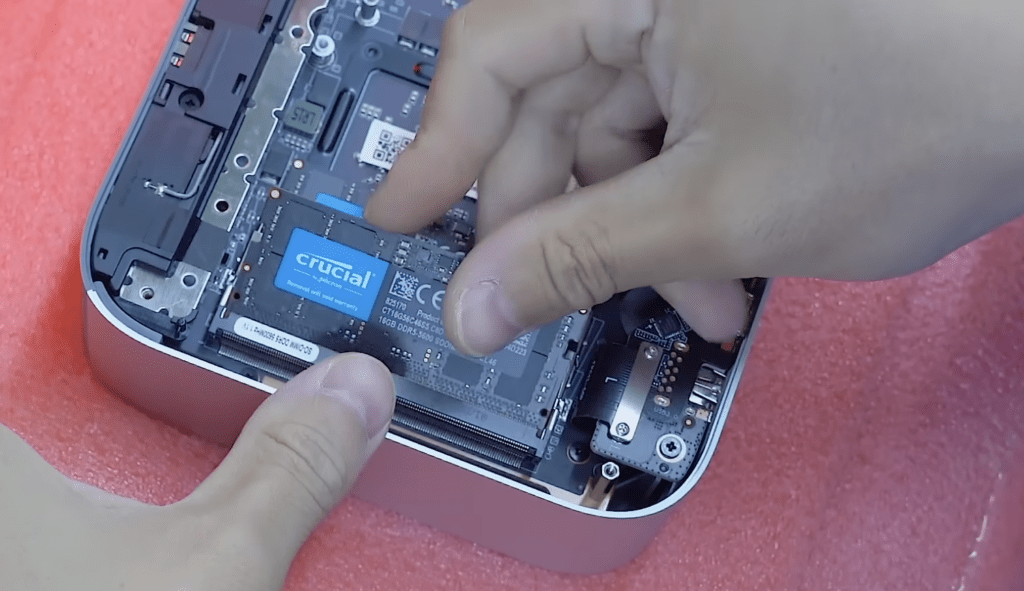
Get ready to pay the AI Tax! The cost of consumer computing is facing a sharp temporary increase. Micron Technology, one of the world’s three largest memory manufacturers, has officially announced its complete exit from the consumer memory (RAM) business by the end of February 2026 by shutting down the consumer arm of their memory brand – crucial.
This is expected to drive retail prices for Mini PCs (and PCs in general) up by an additional $25 to $50 per unit starting in March, 2026. It is important to note that Mini PC prices have already increased by 15-20% in the last 6 months. And this future increase will add to that further! So collectively, we’re looking at a 40-50% increase in about a year. This is unprecedented by all practical standards!
By the way, if you want to buy a Mini PC, the best deals right now are: 1. SER5 Max for 15% Off (Best Mid Range Mini PC) & 2. KAMRUI H2 for 37% Off. These are annual stock clearance deals that happen at the start of the year on Amazon. You can check out other deals here.
This is a structural shift in the semiconductor supply chain. Micron is reallocating its manufacturing capacity to meet the surging, high-margin demand for AI server memory.
For the PC market, which is already struggling (input costs increased by 20-30% in the last 6 months) with shortages due to the demand from AI servers, this new supply gap will be catastrophic (or at least industry-shaking). It is expected for PC component prices (especially RAM) to continue to rise for the rest of 2026.
Why Micron is Prioritizing AI Over Consumers
The decision is driven by the economics of the AI boom. High-Bandwidth Memory (HBM) for AI data centers offers significantly higher profit margins than the consumer-grade DDR5 SODIMM modules used in Mini PCs. By diverting its silicon wafer production toward enterprise AI customers, such as NVIDIA and AMD. Micron is effectively removing a primary supplier from the retail ecosystem.
As Micron ceases shipments to consumer brands like Geekom, Beelink, and Minisforum, the remaining supply from Samsung and SK Hynix will be subject to intense bidding wars. Because Mini PC manufacturers typically operate on thin margins, these increased component costs will be passed directly to the consumer.
Expected Price Increases by Category
Memory typically accounts for 15% to 20% of a Mini PC’s total manufacturing cost. Based on the current Bill of Materials (BOM) and projected wholesale spikes, here is how retail prices will shift:
Entry-Level (Intel N100 / N95)
- Examples: Beelink EQ12, Geekom Air12.
- Increase: $25.00
- Calculation: These units use 8GB or 16GB of RAM. The wholesale cost of an 8GB DDR5 module is projected to rise from roughly $12 to $32. For a $200 PC, this represents a 12.5% hike, effectively ending the sub-$200 market tier.
Mid-Range Workstations (Ryzen 7 / Core i7)
- Examples: Beelink SER8, Geekom A8, Minisforum UM780.
- Increase: $40.00 – $45.00
- Calculation: Standard 32GB DDR5 kits are the heart of this segment. Wholesale prices for 32GB configurations are expected to jump from approximately $45 to $90. This makes $500–$600 units significantly less competitive against full-sized desktops.
High-End & AI-Ready (Ryzen 9 / Core i9)
- Examples: Minisforum AtomMan, Geekom IT13 (Premium).
- Increase: $50.00 – $70.00
- Calculation: Flagship models featuring 64GB of RAM use high-density 32GB sticks, which are the rarest and most expensive to produce. To keep sticker prices under $1,000, many manufacturers are expected to downgrade these models back to 32GB.
Supply Realities for 2026
This removes the price floor for consumer RAM. Mini PC brands often buy components on the spot market in smaller batches than laptop giants like HP or Dell, leaving them most exposed when supply tightens. This shortage is expected to remain critical through the end of 2026, as expanding fabrication capacity to fill the gap left by Micron takes years of investment.
The Buying Window is Closing
The current inventory of Mini PCs in retail channels was purchased at 2025 contract rates. This stock is expected to be depleted by late February. Once the Micron exit becomes official on February 28, 2026, new production batches will reflect the higher memory costs.
However, if you can wait for around 12-18 months, and value good price deals, I would suggest waiting till 2027 before you buy your next Mini PC, since it is expetced for AI demand to start slowing down around that time.
