Skip to content
As an architecture student, I know a laptop is more than a convenience; it’s a studio, a drafting table, and a presentation tool all in one. I wrote this guide to help you choose a machine that balances performance for CAD and 3D work, a screen that makes drawings readable, and portability for late nights at the studio so you can focus on design instead of hardware decisions.
Top Picks
| Category | Product | Price | Score |
|---|---|---|---|
| 🏆 Best for Portability | $899.00 | 88/100 | |
| 🚀 Best Performance | $1,549.00 | 95/100 | |
| ⭐ Best Large Screen | $449.99 | 75/100 | |
| 🎯 Best for Advanced Students | $1,299.98 | 92/100 | |
| 🎮 Best for Gaming and Rendering | $356.38 | 78/100 | |
| 💰 Best Budget Pick | $290.00 | 68/100 |
Selection Criteria
I chose laptops based on the real needs of architecture students: reliable CPU and GPU performance for modeling and rendering, enough RAM to run multiple apps and large files, and fast SSD storage so projects open and save quickly. I also weighed screen size and resolution for clear drawings, battery life and weight for studio mobility, and platform compatibility with common tools like AutoCAD, Revit, Rhino, SketchUp, and Adobe apps.
Finally, I considered price and value because many students must balance budget with performance.
🏆 Best for Portability
I reach for this MacBook Air when I need something light that still feels capable. The M4 chip gives responsive performance for multitasking and sketching, the Liquid Retina display makes drawings and renders look crisp, and the battery comfortably lasts through studio days.
It’s not billed as a desktop replacement, but for drafting, modeling at moderate complexity, reviewing files, and presenting work it strikes a great balance. If I’m headed to crits or juggling classes and client meetings, its weight and reliability make life easier.
Long-Term Cost Benefits
Because the M4 is efficient and macOS tends to stay supported for years, I see less need to upgrade frequently. The build quality and resale value also help offset the initial price, and fewer repairs or slowdowns mean lower ownership costs over time.
When It Helps
| Situation | How It Helps |
|---|---|
| All-day studio sessions | The light chassis and long battery let me work between classes and crits without hunting for outlets. |
| Client presentations | The bright, high-resolution display and good speakers make layouts and walkthroughs look polished. |
| On-the-go sketching and note-taking | Pairing with an iPad or using cloud apps keeps sketches and references synced across devices. |
| Multitasking with many apps | 16GB unified memory and the M4 chip handle multiple apps, browser tabs, and background tasks smoothly. |
Versatility
I use this model for drafting, running lightweight 3D modelers, photo editing, and managing project files. It adapts well to classroom work, client reviews, and travel, though very heavy, GPU‑intensive renders are better suited to more powerful machines.
Compatibility
| Platform | Compatibility Level |
|---|---|
| macOS | Excellent |
| SketchUp | Excellent |
| AutoCAD (Mac Version) | Good |
| Revit | Limited |
| Adobe Creative Cloud | Excellent |
Practicality
Ports are minimal but modern: MagSafe, two Thunderbolt 4 ports, and a headphone jack, so I usually carry a small hub for SD cards and legacy connectors. Setup with other Apple devices is seamless, which saves time when I need files or messages available across devices.
Best For
I recommend this for beginners through advanced students who prioritize mobility and efficient everyday performance. If your course load includes heavy GPU renders or simulation work, consider a more powerful pro-class machine instead.
Performance
In daily use the M4 feels snappy: apps open quickly, exports and smaller renders are handled well, and multitasking stays fluid. For very large models or GPU-heavy rendering, performance is respectable but not class-leading.
Key Benefits
- Lightweight and highly portable for studio commutes
- Long battery life that covers a full day of classes
- Sharp, color-accurate Liquid Retina display
- Smooth multitasking thanks to M4 and 16GB unified memory
Current Price: $899.00
Rating: 4.8 (total: 6070+)
🚀 Best Performance
I turn to the MacBook Pro when a project needs serious horsepower. The M5 chip and the XDR display make complex models and high‑res renders feel smoother, and the screen shows color and contrast in a way that matters when I’m checking materials and lighting.
It’s heavier than an Air but still portable enough to carry between studio and client meetings, and the extra ports save me from digging for adapters during presentations. For students who run big scenes, render frequently, or want a machine that can double as a professional workstation, this is an easy recommendation.
Long-Term Value
Its durable build, long macOS support, and strong resale value mean the initial cost spreads over several years. Faster processing also shortens render times, which can save time and potentially reduce cloud render costs.
When It Helps
| Situation | How It Helps |
|---|---|
| Rendering Large Scenes | The M5’s CPU/GPU combo shortens render times and keeps the system responsive during background tasks. |
| Client Presentations | The high-contrast XDR display and clear speakers make overlays, walkthroughs, and videos look and sound professional. |
| Work On Campus | Battery life and performance let me run demanding apps between classes without hunting for outlets. |
| Editing Materials and Textures | High color fidelity helps me judge textures and lighting without relying on an external monitor. |
Versatility
This laptop handles everything from CAD and BIM review to high-res render exports and multimedia editing. It adapts well to studio work, client demos, and occasional field use, though very GPU-heavy workstation tasks may still benefit from desktop rigs.
Compatibility
| Platform | Compatibility Level |
|---|---|
| macOS | Excellent |
| SketchUp | Very Good |
| Rhino | Very Good |
| AutoCAD (Mac) | Good |
| Revit | Limited |
Practicality
The Pro adds useful ports like SDXC and HDMI alongside three Thunderbolt 4 ports and MagSafe, which cuts down on dongles. It’s slightly heavier but still easy to tote, and the built-in mic and speakers are better than you’d expect for client calls and recorded walkthroughs.
Best For
Best for advanced students and early-career professionals who need reliable performance for complex modeling and rendering workflows.
Performance
Performance is class-leading for a laptop this size: interactive modeling stays fluid, exports finish faster, and the thermal design keeps sustained tasks from throttling quickly.
Key Benefits
- Top-tier CPU and GPU performance for heavy 3D work
- Outstanding Liquid Retina XDR display for color-critical tasks
- Excellent battery life for long work sessions
- Built-in ports (SDXC, HDMI, Thunderbolt) reduce adapter needs
Current Price: $1,549.00
Rating: 4.7 (total: 254+)
⭐ Best Large Screen
I reach for the HP 17 when I want a big workspace without spending a ton. The 17.3-inch IPS panel makes plans and multi-window layouts easy to read, and the numeric keypad is a small comfort when I’m entering lots of data or measurements.
It handles everyday CAD review, presentations, and model browsing smoothly, and the included Microsoft Copilot on Windows 11 can speed up routine tasks. It’s larger and a bit heavier than a typical student laptop, but for studio sessions where screen real estate matters, it’s a practical choice.
Long-Term Value
Choosing a solid, affordable laptop like this means I can delay an expensive upgrade; the SSD and up-to-date OS keep everyday workflows fast and reduce the chance I’ll need to replace it quickly.
When It Helps
| Situation | How It Helps |
|---|---|
| Working In The Studio | The big display lets me keep reference images, a model viewer, and notes open at once so I can move between tasks without constantly switching windows. |
| Client Or Group Presentations | The larger screen and decent speakers make layouts and slides easier to share in small group settings. |
| Budget-Conscious Students | You get a roomy workspace and core performance for drafting and documents without paying for pro-level hardware. |
| Remote Classes And Video Calls | The HD webcam and clear audio reduce friction when I’m presenting or joining crits online. |
Versatility
I use this model for sketch reviews, running lightweight CAD and BIM viewers, spreadsheets, and multimedia. It’s a good all-rounder for coursework and presentations, though heavy rendering tasks will feel slower compared with high-end machines.
Compatibility
| Platform | Compatibility Level |
|---|---|
| Windows 11 | Excellent |
| AutoCAD | Very Good |
| SketchUp | Good |
| Revit | Limited |
| Adobe Creative Cloud | Very Good |
Practicality
Ports cover most student needs: USB-A, a USB-C data port, HDMI, and a headphone jack. The trade-off is the size—it’s less pocketable than a 13-inch laptop, but the extra screen helps reduce time spent switching views.
Best For
Best for beginners and mid-level students who prioritize screen size and value over heavy GPU performance.
Performance
The 13th Gen i3 with 8 cores handles browsing, multi-tab research, 2D drafting, and light 3D tasks comfortably. Expect slower times on large 3D renders or complex simulations compared with higher-tier CPUs.
Key Benefits
- Large 17.3″ IPS display that makes drawings and plans easier to view
- Budget-friendly price for students who need a big screen
- Full-size keyboard with numeric keypad for measurements and spreadsheets
- Good battery life and Wi‑Fi 6 for long studio days and reliable connectivity
Current Price: $449.99
Rating: 5.0 (total: 2+)
🎯 Best for Advanced Students
I reach for the Dell 15 when a project needs both power and flexibility. The 15.6-inch touchscreen gives me a natural way to interact with models during reviews, and the option to equip lots of RAM and a large SSD means I can keep big project files local.
It’s built for long days away from a desktop: the chassis feels sturdy, battery life is reasonable for campus use, and the extra ports and SD card reader cut down on adapters during presentations. For advanced coursework, rendering previews, and multitasking across CAD, Rhino, and design tools, it’s an easy workhorse to rely on.
Long-Term Value
Being able to upgrade RAM and storage extends usable life, so the laptop can stay relevant through several years of coursework. Faster local storage and more memory reduce reliance on cloud rendering and paid services.
When It Helps
| Situation | How It Helps |
|---|---|
| Complex Studio Projects | Extra RAM and a 2TB SSD let me store and run large models without constant swapping or external drives. |
| In-Class Demos And Crits | The touchscreen makes navigating models and annotations quicker when I’m presenting to peers or instructors. |
| Field Site Visits | Durable build and reasonable battery life mean I can sketch notes, review plans, and share photos without rushing back to the studio. |
| Multitasking With Many Apps | The i7 and ample RAM keep multiple apps, browser tabs, and background tasks responsive during busy work sessions. |
Versatility
This model handles CAD, BIM viewers, photo and vector editing, and light rendering. It’s equally useful for studio work, client meetings, and running virtual classes, though extreme rendering loads benefit from more specialized GPUs.
Compatibility
| Platform | Compatibility Level |
|---|---|
| Windows 11 Pro | Excellent |
| AutoCAD | Very Good |
| Revit | Good |
| SketchUp | Very Good |
| Adobe Creative Cloud | Very Good |
Practicality
Ports include USB-A, USB-C (data), HDMI, and an SD card reader so I rarely need adapters. The touchscreen and numeric keypad speed up measurements and presentations, though the machine is a bit heavier than ultraportables.
Best For
Best for advanced students and those preparing professional-level portfolios who need upgradeable hardware and reliable multitasking.
Performance
The 13th Gen i7 and option for up to 64GB of RAM deliver snappy performance for large models, fast file imports, and responsive multitasking. Heaviest GPU renders will still take time compared with dedicated workstation GPUs.
Key Benefits
- Configurable memory and storage for large project files
- 15.6″ FHD touchscreen improves model interaction and reviews
- Windows 11 Pro with Copilot AI for productivity boosts
- Solid port selection including HDMI and SD card reader
Current Price: $1,299.98
Rating: 4.6 (total: 26+)
🎮 Best for Gaming and Rendering
I reach for this KAIGERR when I want a larger screen and enough memory to keep many apps open without slowing down. The 16-inch panel is bright and makes model review and reference images easy to read, and the 16GB of RAM plus a 512GB SSD mean projects and files load quickly.
It handles multitasking, light renders, and even some gaming during downtime, and its portability makes it a practical secondary machine for studio days or field visits. For students who want gaming-capable hardware without a high price tag, this feels like a sensible middle ground.
Long-Term Value
Because it ships with solid RAM and a roomy SSD, I can avoid immediate upgrades; the combination of efficient CPU and fast storage keeps everyday workflows smooth and delays the need to invest in a replacement.
When It Helps
| Situation | How It Helps |
|---|---|
| Studio Multitasking | The extra RAM and screen room let me run model viewers, reference images, and notes side by side without constant window juggling. |
| Light Rendering And Previews | Small-to-medium renders and viewport previews stay usable so I can iterate without waiting long minutes for each change. |
| Gaming Breaks Between Work | Integrated graphics with decent RAM handle casual gaming sessions and help me unwind between studio tasks. |
| On-Site Reviews | The 16″ display and portability make it easy to show plans or photos to clients or teammates on location. |
Versatility
I use this machine for document work, model checking, light photo editing, and casual gaming. It’s flexible enough for day-to-day coursework and occasional rendering, though heavy production renders will benefit from a more powerful GPU.
Compatibility
| Platform | Compatibility Level |
|---|---|
| Windows 11 | Excellent |
| SketchUp | Good |
| AutoCAD | Good |
| Revit | Limited |
| Adobe Creative Cloud | Very Good |
Practicality
It includes USB3.2, Type‑C, and a numeric keypad which I find handy for measurements. The battery life is solid for classroom and studio use, though the unit is a bit heavier than ultraportables, so I treat it as a portable rather than an always-in-the-backpack laptop.
Best For
Best for intermediate students and hobbyists who want a machine that can juggle study workloads, light rendering, and gaming without a high price tag.
Performance
Everyday tasks, multitasking, and light gaming feel smooth thanks to 16GB RAM and the SSD. Heavy, GPU-bound renders will run slower than on dedicated gaming or workstation laptops, but previews and small exports are handled well.
Key Benefits
- Large 16″ display that’s good for multitasking and model review
- 16GB RAM keeps many apps and browser tabs responsive
- 512GB SSD provides fast boot and project load times
- Affordable price for gaming-capable specs
Current Price: $356.38
Rating: 4.7 (total: 14+)
💰 Best Budget Pick
I like the Vivobook when I need a dependable everyday laptop that won’t stretch a student budget. It’s light enough to carry between studios, boots quickly thanks to the SSD, and the Full HD screen is perfectly fine for reviewing plans, slide decks, and reference images.
It won’t replace a high-end workstation for heavy renders, but for research, drafting in 2D, note-taking, and running Adobe apps at a basic level it does the job. Be aware it ships in Windows 11 Home S, which can add a setup step if you want to install apps outside the Microsoft Store.
Long-Term Value
Buying a lower-cost laptop now frees up budget for software, peripherals, or occasional cloud rendering. The Vivobook’s efficient components and solid build mean it can reliably serve through several years of courses before an upgrade is necessary.
When It Helps
| Situation | How It Helps |
|---|---|
| Lecture Notes And Research | Compact size and quick boot let me open files and take notes without the lag of older machines. |
| Studio Reviews And Presentations | The 15.6″ screen makes it easy to show drawings and slides to classmates or tutors in small groups. |
| Travel And Field Work | Lightweight build and decent battery make short site visits and library sessions less of a hassle. |
| Basic Photo And Vector Editing | The combination of DDR5 RAM and an SSD keeps Photoshop and Illustrator responsive for typical student projects. |
Versatility
This laptop works well for browsing, document work, light image editing, split-screen research, and video calls. It’s versatile for everyday academic tasks but not ideal as a primary machine for demanding 3D rendering or large BIM projects.
Compatibility
| Platform | Compatibility Level |
|---|---|
| Windows 11 Home S | Good |
| AutoCAD | Very Good |
| SketchUp | Good |
| Revit | Limited |
| Adobe Creative Cloud | Very Good |
Practicality
Ports are basic but useful for students: USB-A, USB-C, HDMI and a webcam shutter for privacy. The 180° hinge is handy for sharing the screen, and fast charging helps when I forget to top up between studios. Remember that S Mode may require an extra step to install some tools you might need.
Best For
Best for beginners and budget-conscious students who need reliable daily performance without advanced rendering demands.
Performance
For web research, multi-tab browsing, office suites, and light creative apps the Vivobook feels responsive. Heavy 3D scenes or large renders will slow it down, so I treat those tasks as occasional or offloaded to more powerful hardware.
Key Benefits
- Affordable price that keeps core functionality intact
- Light and slim design for easy transport around campus
- Full HD 15.6″ display that’s good for documents and references
- DDR5 RAM and SSD deliver snappy everyday responsiveness
Current Price: $290.00
Rating: 4.3 (total: 869+)
FAQ
What Specs Should I Prioritize For Architecture School?
I focus first on CPU, RAM, storage, and display. For smooth multitasking and model work I aim for a strong CPU and at least 16GB RAM when possible, and I prefer a fast SSD of 512GB or more so large projects open quickly and you avoid constantly juggling external drives.
A dedicated GPU helps for heavy rendering, but integrated chips like Apple M4/M5 or modern Intel/AMD offering good performance can handle many student workflows; if you plan to do frequent, long renders choose a machine with a discrete GPU or plan to use cloud renders. Finally, a bright, color-accurate display and enough ports (SD, HDMI, USB‑C/Thunderbolt) make presentations and external monitor setups simpler.
Mac Or Windows — Which Platform Works Best For My Software?
I pick the platform based on the software I use most. macOS machines like the M4/M5 MacBooks are terrific for Adobe apps, SketchUp, Rhino (with native builds improving) and for general portability and battery life, but many architecture staples such as Revit are Windows-only and run best on native Windows hardware, so if Revit is central to my coursework I choose a Windows laptop or a reliable remote/virtual Windows setup.
When I use a Mac but need Windows apps occasionally I plan ahead with cloud desktops, a dedicated Windows machine, or remote access to a lab to avoid workflow interruptions.
How Can I Save Money Without Sacrificing Performance?
I balance cost and capability by prioritizing upgrades that matter most and delaying the rest. Spend more on CPU and RAM if you can, aim for a solid SSD rather than lots of slow storage, and consider upgrading storage or RAM later if the model allows; buying a slightly older generation powerful CPU often gives better value than the latest entry-level chip.
I also look for student discounts, certified refurbished units, and buy peripherals—like an external monitor or mouse—that extend a cheaper laptop’s usefulness, and I offload heavy renders to a cloud service or lab when it makes financial sense rather than buying an expensive workstation.
What Buyers Prefer
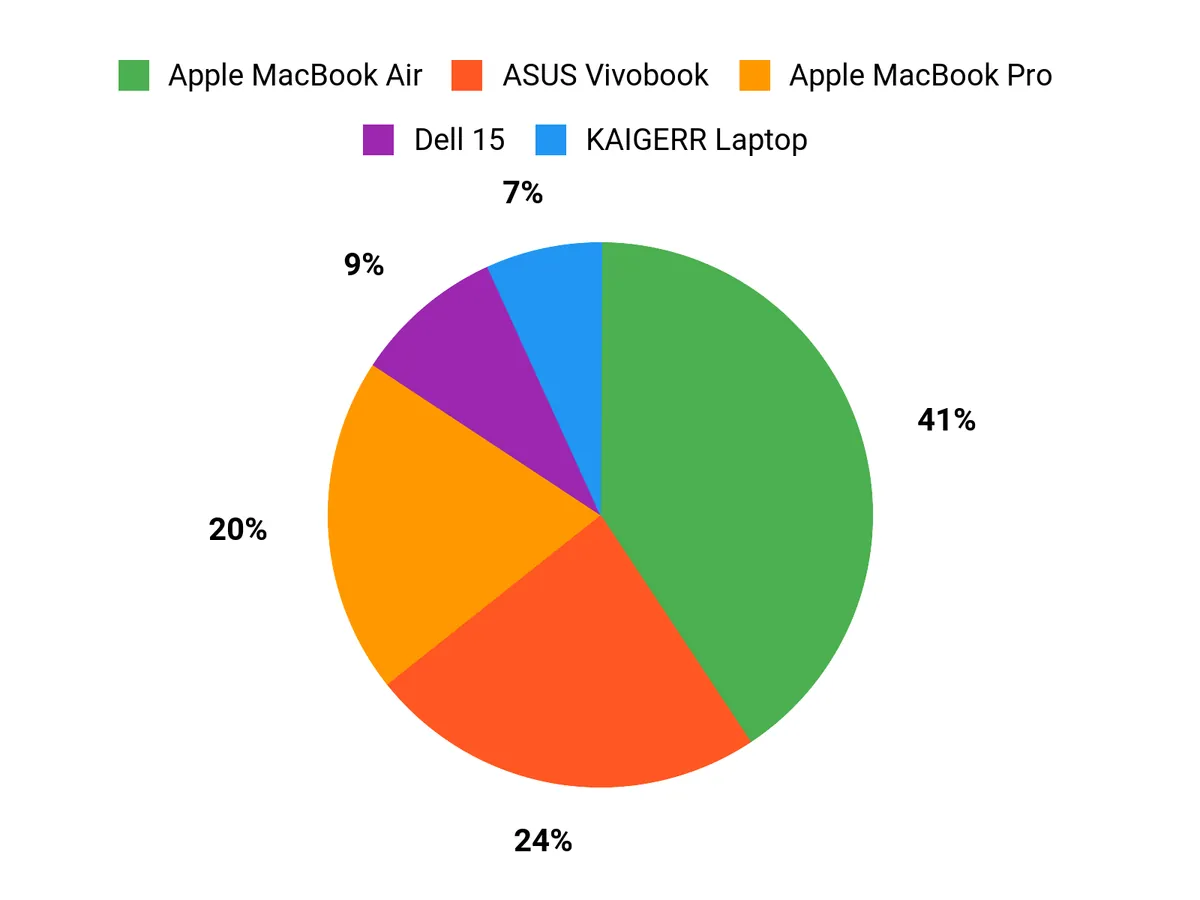
When choosing between the MacBook Air, MacBook Pro, and HP 17 I notice buyers prioritize different things: mobility and battery life lead many to the Air, heavy modeling and color-critical work push people toward the Pro, and those who want a large, affordable workspace gravitate to the HP 17. I usually tell students to pick the machine that matches their biggest need—portability, raw performance, or screen real estate—since each excels in a different area.
Wrapping Up
In this guide I focused on options that fit the most common studio workflows. If you need maximum portability and a long battery life while still handling everyday CAD tasks, the MacBook Air is an excellent choice.
For intensive 3D modeling, rendering, and color-critical work the MacBook Pro delivers top performance and a superior display. Windows users who need raw RAM, storage, and touchscreen flexibility will find the Dell 15 a strong all-rounder, while the HP 17 gives a big canvas at a student-friendly price. The KAIGERR unit is a surprisingly capable budget alternative for light rendering and gaming, and the ASUS Vivobook is the pick if keeping costs very low is your priority.
Choose the machine that matches the software you rely on and the way you work in the studio, and you’ll get a laptop that helps your designs, not holds them back.
| Product Name | Image | Rating | Processor | RAM | Storage | Battery Life | Price |
|---|---|---|---|---|---|---|---|
| Apple 2025 MacBook Air 13-inch |  | 4.8/5 (N reviews) | Apple M4 Chip (10-core CPU) | 16 GB Unified Memory | 256 GB SSD | Up to 18 hours video streaming | $899.00 |
| Apple 2025 MacBook Pro 14-inch | 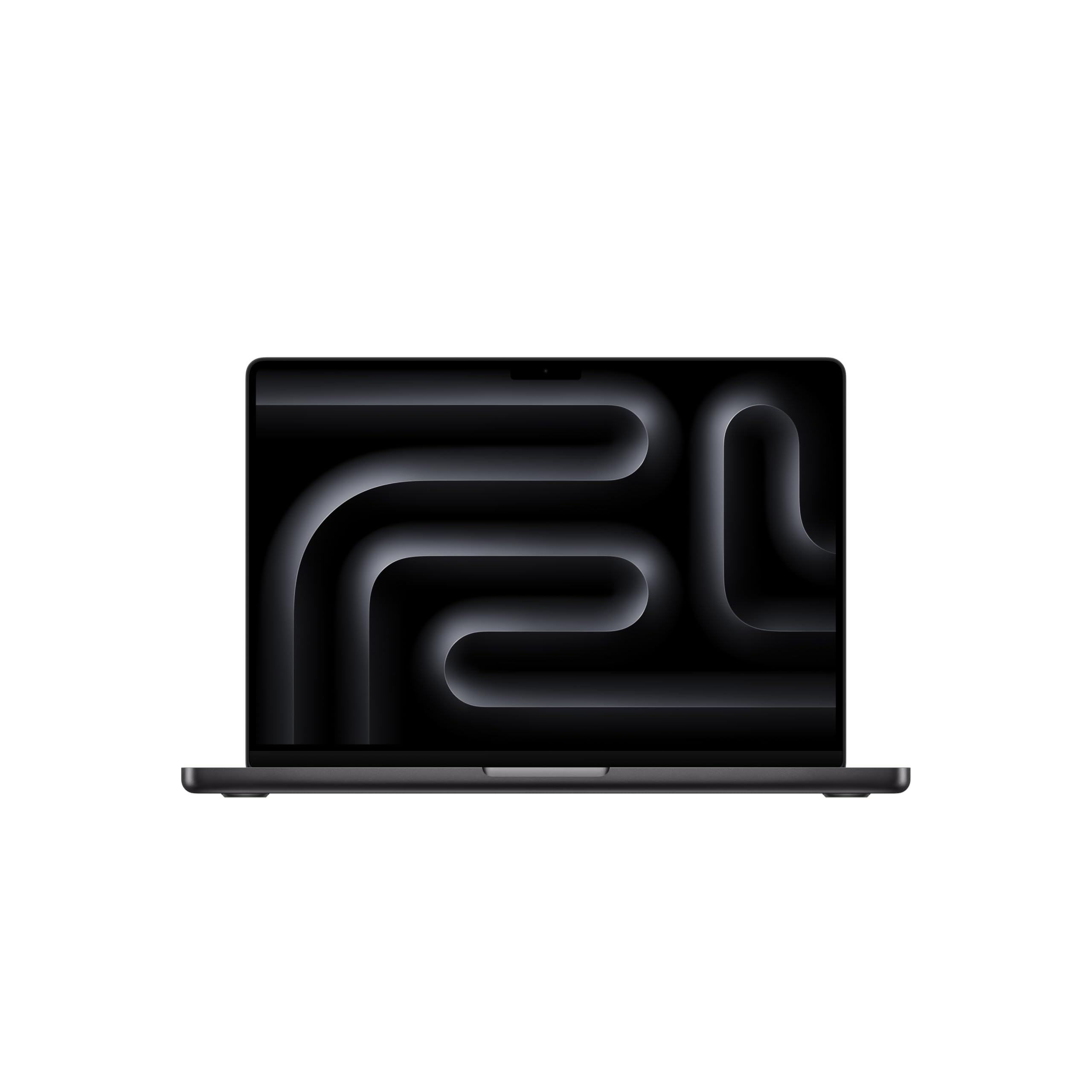 | 4.7/5 (N reviews) | Apple M5 Chip (10-core CPU) | 16 GB Unified Memory | 512 GB SSD | Up to 24 hours video streaming | $1,549.00 |
| HP 17 Inch Laptop 2026 Edition | 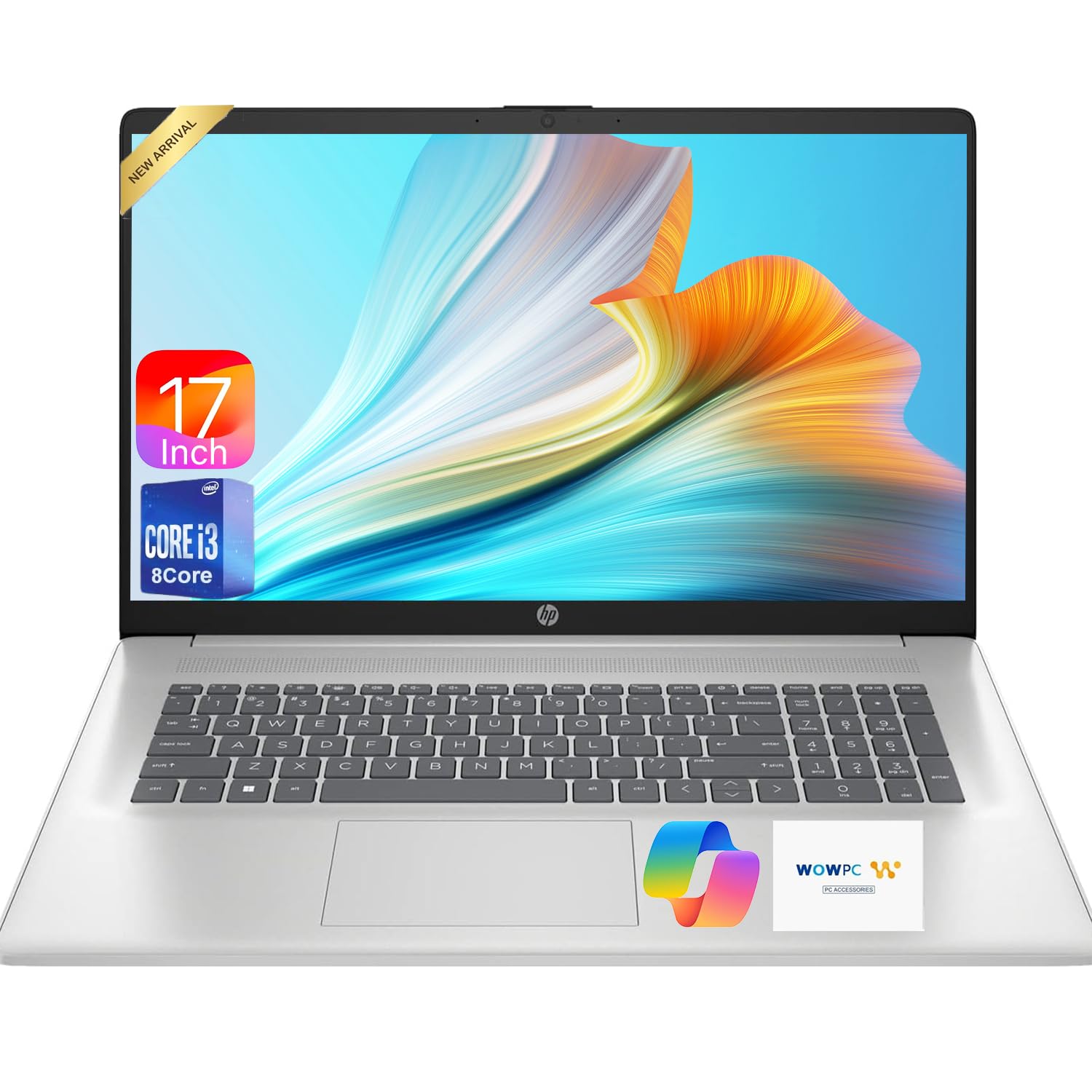 | 5.0/5 (2 reviews) | Intel 13th Gen i3 (8 Cores) | 8 GB DDR4 | 256 GB SSD | Up to 11 hours | $449.99 |
| Dell 15 Laptop (2026) | 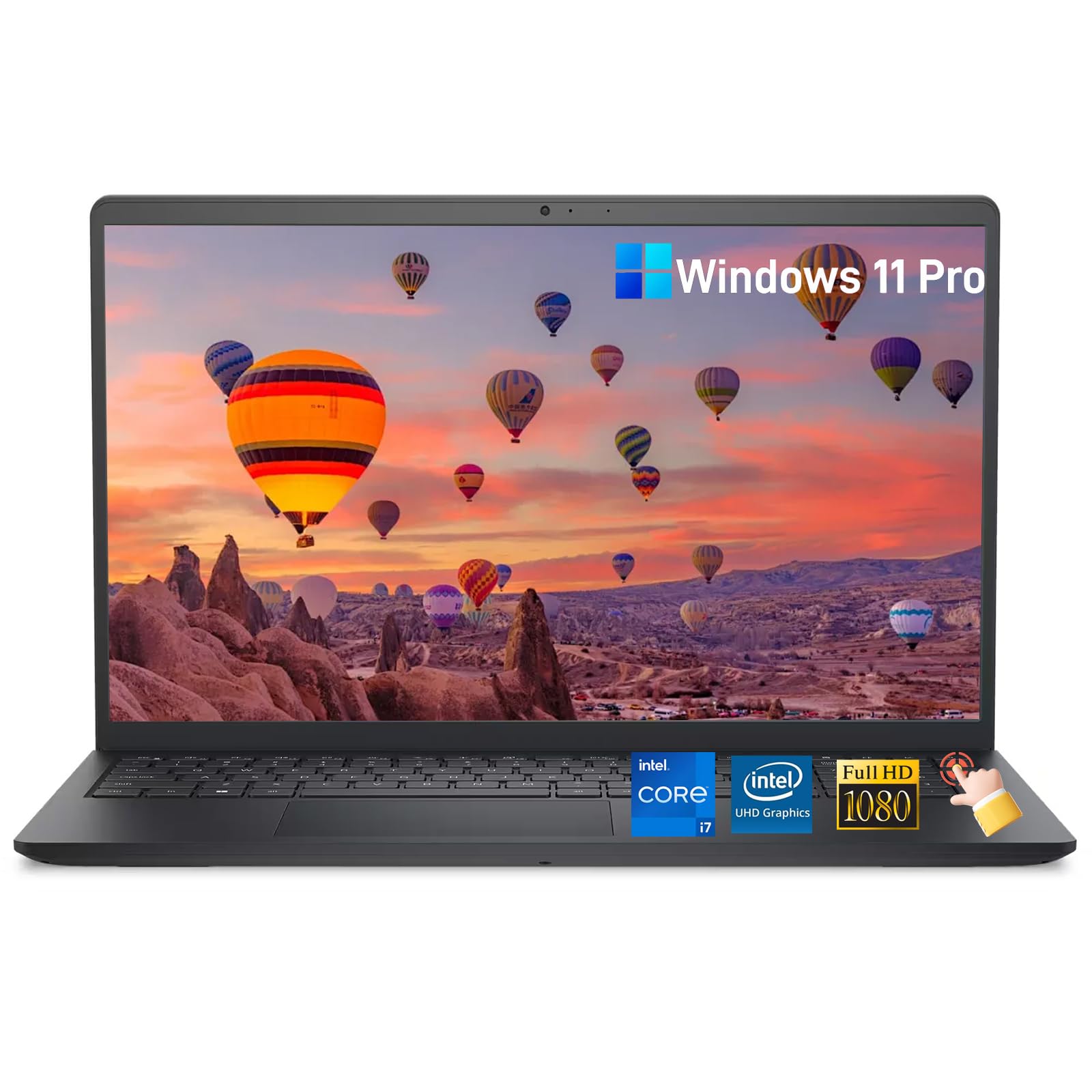 | 4.6/5 (N reviews) | Intel Core i7-1355U (10 Cores) | 64 GB DDR4 | 2 TB SSD | Up to 10 hours | $1,299.98 |
| Gaming Laptop with AMD Ryzen 4300U | 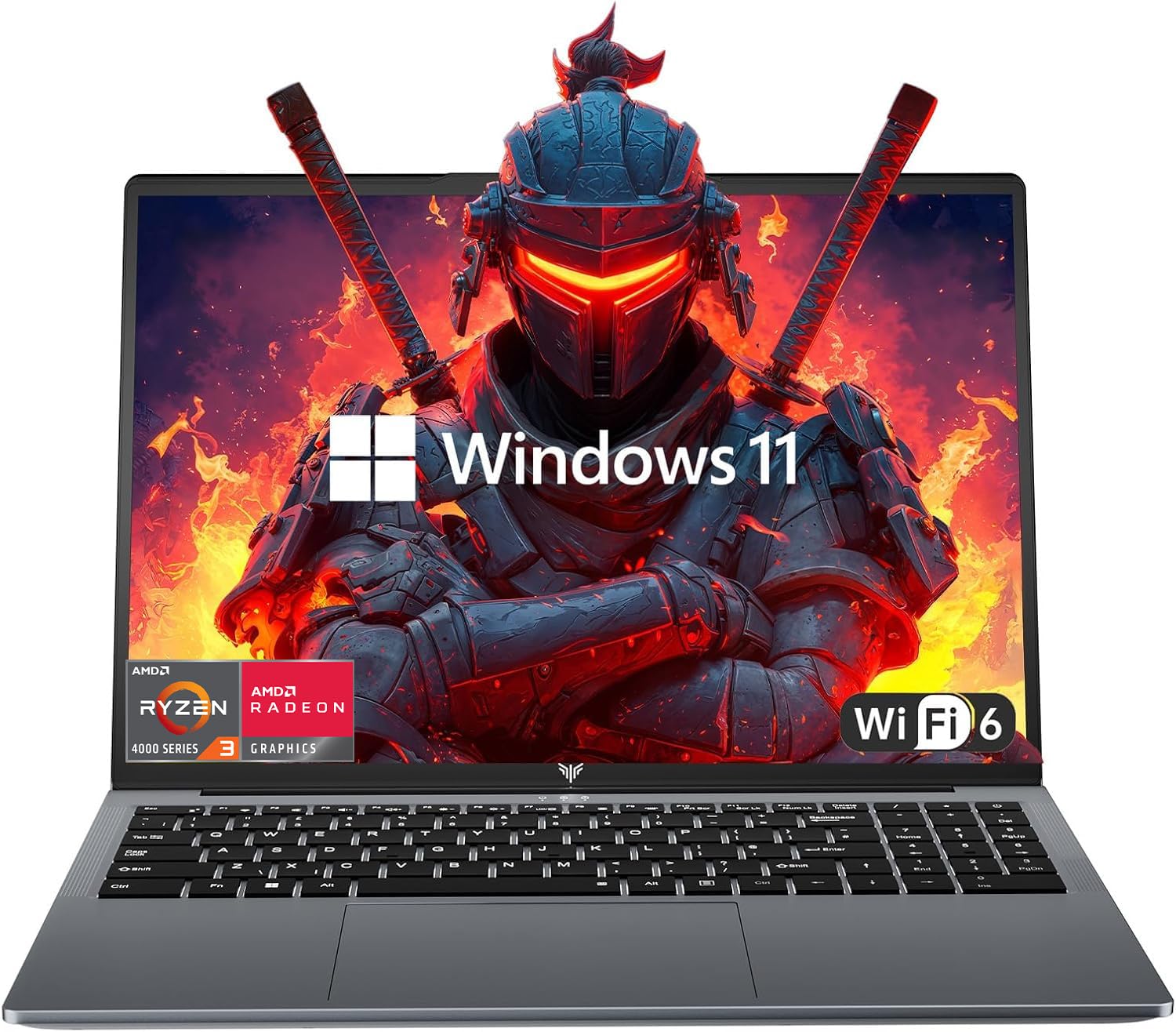 | 4.7/5 (N reviews) | AMD Ryzen 4300U (Up to 3.7GHz) | 16 GB DDR4 | 512 GB SSD | N/A | $356.38 |
| ASUS Vivobook Go 15.6” FHD Slim Laptop |  | 4.3/5 (N reviews) | AMD Ryzen 3 7320U | 8 GB DDR5 | 128 GB SSD | N/A | $290.00 |
This Roundup is reader-supported. When you click through links we may earn a referral commission on qualifying purchases.