Skip to content
I know choosing a laptop for FL Studio can feel overwhelming because music production needs both raw power and quiet reliability. I’ll walk you through machines that balance fast CPUs, plenty of RAM, and SSD storage with cooling and ports that make recording and running heavy plugin chains smoother.
This guide helps you pick a laptop that keeps latency low, handles many tracks and effects, and stays practical for the studio or on the road.
Top Picks
| Category | Product | Price | Score |
|---|---|---|---|
| 🏆 Best Overall | $2,399.99 | 98/100 | |
| 🎨 Best for Creators | $2,099.00 | 95/100 | |
| 💰 Best Value Power | $998.69 | 88/100 | |
| 🎯 Best Midrange | $949.99 | 86/100 | |
| 🚀 Best for Heavy Plugins | $2,099.00 | 94/100 | |
| ⭐ Best Portability Power | $1,399.99 | 90/100 | |
| 🔰 Best Budget Starter | $579.99 | 74/100 | |
| 💼 Best For On-the-Go | $599.99 | 76/100 |
How I Picked These Laptops
I focused on the things that actually matter when running FL Studio: CPU speed and core count for real-time audio processing, low-latency performance and audio driver stability, and at least 16GB of RAM for larger projects and plugin instances. I prioritized NVMe SSDs for fast sample streaming, a quiet cooling solution to avoid background noise during recording, and a variety of ports for external audio interfaces and controllers.
I also weighed display quality, battery life for mobile work, and upgradeability so you can extend the machine’s useful life without replacing it.
💰 Best Value Power
I reach for this Alienware when I need solid power without overthinking upgrades. The 16-inch WQXGA screen is roomy for arranging tracks, the 16GB DDR5 and 1TB NVMe SSD let me load large sample libraries fast, and the Intel Core processor keeps plugin-heavy mixes responsive. It’s heavier than ultraportables and the fans can kick up under load, so I usually use it on a desk with my audio interface.
It’s a dependable studio machine when I want performance that won’t choke on big projects, and it’s perfectly capable for streaming or editing when I’m away from my main rig.
Long-Term Value
Because it ships with upgradeable RAM and a roomy SSD, I won’t need a full replacement soon; upgrading parts later is cheaper than buying a new laptop when projects grow.
Situational Benefits
| Situation | How It Helps |
|---|---|
| Home Studio Mixing | I get stable CPU performance and fast disk access, so mixing many tracks with multiple effects stays smooth. |
| Recording With External Interface | Plenty of USB ports and reliable drivers let me connect interfaces and controllers without juggling adapters. |
| On-Location Editing | The large screen and 1TB SSD mean I can edit or bounce stems on the go, though I usually keep it on a flat surface to manage heat. |
| Streaming Live Sets | Strong CPU cores plus dedicated GPU handle OBS and visuals while running FL Studio for low-latency streaming. |
Versatility
I use it for both creative sessions and everyday tasks; it handles gaming, video editing, and music production without feeling out of place.
Innovation
The combination of a WQXGA 120Hz panel with DDR5 memory and an RTX 5050 gives contemporary performance and snappy UI responsiveness during large projects.
Comfort
The keyboard has good travel and backlighting, which I appreciate during late-night sessions, but the chassis is heavy so it’s less comfy on the lap.
Expertise Level
Intermediate to Advanced
Performance
Strong multicore performance and a 1TB SSD provide fast project loads, quick sample streaming, and responsive plugin handling for mid to large sessions.
Key Benefits
- I can run many synths and effects without raising buffer size
- Fast NVMe storage speeds sample loading and project saves
- Solid build and ports make connecting audio gear easy
- Large 16″ display helps me keep mixer and piano roll visible
Current Price: $998.69
Rating: 4.5 (total: 122+)
🎯 Best Midrange
I reach for the Nitro V when I want solid performance without breaking the bank. The 15.6″ 165Hz screen is sharp for arranging tracks and the i7 plus RTX 4050 handles real-time plugins and light rendering without fuss.
It runs quietly in normal use and the Nitro app lets me dial fan profiles when I need extra headroom. It’s compact enough to move between home and a coffee shop and roomy enough to keep a full project open, which makes it a practical daily driver for music production and editing.
Long-Term Value
Upgrading RAM or a second SSD slot keeps the machine useful for years, so you can extend its life instead of replacing the whole laptop as projects grow.
Situational Benefits
| Situation | How It Helps |
|---|---|
| Home Studio Sessions | I get steady performance and low latency for tracking and mixing without needing to raise buffer sizes. |
| On-the-Go Editing | The compact footprint and decent battery life mean I can sketch ideas away from my desk and finish edits later. |
| Live Streaming Practice | Dedicated GPU helps with OBS and visuals while running FL Studio, keeping streams smooth during rehearsals. |
| Budget Upgrades | Easy access to RAM and storage slots makes sensible upgrades affordable when you need more memory or space. |
Versatility
I use it for gaming, music production, and light video work; it handles daily tasks and creative workflows without feeling specialized to only one use.
Innovation
Combining a high-refresh IPS panel with DDR5 memory and Gen4 storage gives snappy UI responsiveness and fast sample streaming compared with older midrange laptops.
Comfort
The keyboard is comfortable for long sessions and the chassis keeps surfaces cool for desk use, though it’s best not to run heavy loads on the lap for extended periods.
Expertise Level
Beginner to Intermediate
Performance
Solid multicore performance and a Gen4 SSD deliver quick project loads and reliable playback with moderate plugin counts, suitable for most home producers.
Key Benefits
- Responsive CPU and GPU for smooth plugin use and light rendering
- 165Hz IPS screen helps when juggling mixer windows and editors
- 1TB Gen4 SSD means fast sample streaming and quick project loads
- Accessible internals for upgrading RAM or storage later
Current Price: $949.99
Rating: 4.6 (total: 190+)
🏆 Best Overall
I reach for the ROG G16 when I need a laptop that can safely handle large FL Studio projects and multitasking without me babysitting CPU meters. The big, fast Nebula screen makes arranging, mixing, and editing easier because I can see more tracks and automation at once. It runs demanding plugins and real-time effects smoothly, and the cooling system keeps things stable during long sessions.
It’s a heavier, premium-feeling machine, but for studio use and occasional streaming it’s one of the most capable laptops I’ve used.
Long-Term Value
With 32GB of memory and a 1TB PCIe 4.0 SSD alongside easy upgrade options, I can push this machine for years and add storage or more memory rather than replace the whole laptop.
Situational Benefits
| Situation | How It Helps |
|---|---|
| Large Project Mixing | I can keep dozens of tracks and plugin chains running without increasing buffer sizes, so mixing stays responsive. |
| Live Streaming or Session Playback | The dedicated GPU and CPU headroom let me run OBS and visuals alongside FL Studio with minimal hiccups. |
| On-Location Recording | The fast SSD and solid I/O let me record takes directly to the laptop and edit them immediately. |
| Multimedia Production | I can switch between music, video edits, and rendering tasks without the laptop feeling bogged down. |
Versatility
I use it for intensive music production, gaming, and video work; it’s flexible enough to be a daily workstation and a portable creative rig.
Innovation
The ROG Nebula display combined with Intel Core Ultra and Wi‑Fi 7 offers a modern platform that keeps UI interactions snappy and file transfers fast.
Comfort
The keyboard is comfortable for long sessions and the chassis feels premium, though the weight makes it better suited to desk use than lap work.
Expertise Level
Intermediate to Professional
Performance
Top-tier multicore performance and large RAM let me load heavy sample libraries and run complex effect chains without audible dropouts.
Key Benefits
- Plenty of RAM and a powerful CPU to run many synths and effects simultaneously
- High-resolution, high-refresh display that helps keep the mixer and piano roll visible
- Fast 1TB PCIe 4.0 SSD for quick project loads and sample streaming
- Strong cooling and upgrade paths to extend usable life
Current Price: $2,399.99
Rating: 4.4 (total: 437+)
🔰 Best Budget Starter

I recommend the MALLRACE LX15 when I want a no-frills machine that actually keeps up while sketching ideas in FL Studio. It’s lightweight to carry, boots fast thanks to the 512GB SSD, and the Ryzen 7 chip with 16GB RAM handles multi-track projects better than you’d expect at this price.
It won’t replace a high-end desktop, but for composing, editing, and quick mixes it’s a surprisingly practical daily tool.
Long-Term Value
Because it starts with healthy RAM and an SSD, I can postpone upgrades; adding extra storage or swapping drives later keeps costs down compared with buying a higher-end laptop up front.
Situational Benefits
| Situation | How It Helps |
|---|---|
| Bedroom Beats | I can run a few synths and effects while tracking vocals without needing a separate desktop. |
| College Projects | It’s light enough to carry to class and powerful enough to handle assignments and DAW work. |
| Edit On The Go | Quick SSD access means I can open sessions and edit stems when inspiration hits away from my studio. |
| Starter Producer Workflow | The combo of Ryzen CPU and 16GB RAM gives room to learn sampling, layering, and basic mixing without frustration. |
Versatility
I use it for music, study, and light video editing; it’s a generalist that fits many basic creative tasks rather than one specialist job.
Innovation
It balances modern components like a Ryzen 7 CPU and NVMe SSD in a compact chassis, giving newer hardware benefits at a lower price point.
Comfort
The keyboard and trackpad are comfortable for long takes and editing, and the relatively light weight makes it easy to work from a couch or a café.
Expertise Level
Beginner to Intermediate
Performance
For its class the laptop feels snappy: projects load quickly from the SSD and the CPU handles moderate plugin counts without constant buffer increases.
Key Benefits
- Good multitasking with 16GB RAM for typical FL Studio projects
- 512GB SSD provides quick sample loads and fast project saves
- Lightweight design makes it easy to move between sessions
- Solid value for students or producers on a tight budget
Current Price: $579.99
Rating: 5 (total: 8+)
🎨 Best for Creators
When I’m handling large FL Studio projects or switching between music and video work, the Legion 5i feels like a portable studio. The bright 15.1″ OLED screen helps me read plugin GUIs and automation lanes without squinting, while the 24-core i9 and 32GB of RAM keep mixes and heavy synths responsive. The 2TB SSD means I don’t juggle external drives, and the full set of ports makes routing audio interfaces and controllers straightforward.
It’s a bit heavier than ultraportables, so I prefer it on a desk, but for serious production and content work it’s one of the most capable laptops I’ve used.
Long-Term Value
With high base specs and ample onboard storage, I’m less likely to replace the laptop soon; upgrades and fewer external devices reduce total ownership cost over time.
Situational Benefits
| Situation | How It Helps |
|---|---|
| Large Project Mixing | I keep dozens of tracks and heavy effect chains active without raising buffer sizes, so mixing stays fluid. |
| Sample-Heavy Production | Fast SSD access and big storage let me load large libraries and stream multisampled instruments without dropouts. |
| On-Location Recording | The solid battery and robust I/O let me record takes and edit them immediately, reducing setup time between sessions. |
| Streaming And Video Work | The dedicated GPU and CPU headroom handle OBS, video playback, and rendering while running a DAW. |
Versatility
I use it for heavy music production, video editing, and streaming; it’s designed to be an all-in-one creative workhorse rather than a single-purpose gaming laptop.
Innovation
The combination of an OLED 1000‑nit panel, Wi‑Fi 7, and a modern RTX 5070 gives me fast transfers, accurate visuals, and GPU offload for streaming and rendering tasks.
Comfort
The keyboard is comfortable for long sessions and the 5MP privacy camera is handy for remote collaboration, though the weight makes desk use preferable to lap work.
Expertise Level
Intermediate to Professional
Performance
Top-tier multicore CPU performance, generous RAM, and a large PCIe SSD deliver fast project loads, smooth playback, and reliable plugin performance for demanding sessions.
Key Benefits
- I can run many synths and effects simultaneously thanks to the i9 CPU and 32GB RAM
- The WQXGA OLED display makes plugin windows and meters clear even in bright rooms
- 2TB SSD lets me store large sample libraries and project backups without external drives
- Plenty of ports and Wi‑Fi 7 mean reliable connectivity for audio interfaces and cloud workflows
Current Price: $2,099.00
Rating: (total: +)
💼 Best For On-the-Go
I reach for the KAIGERR RX16 when I need a lightweight laptop that still feels capable in FL Studio. The Ryzen 7 chip and 16GB of RAM let me sketch ideas, run synths, and edit stems without waiting on slow storage.
Dual fans keep things stable during longer sessions and the 16.1″ screen gives enough space for a mixer and piano roll. It’s a practical choice if I’m moving between home, gigs, or a coffee shop and want a dependable, budget-friendly machine.
Long-Term Value
The RX16 offers solid baseline specs and upgradeable storage, so I can add a larger SSD or more RAM later instead of replacing the whole laptop, stretching its value over time.
Situational Benefits
| Situation | How It Helps |
|---|---|
| Travel and Gigs | Its lightweight build and decent battery mean I can bring sessions to shows or rehearsals and still do quick edits between sets. |
| Bedroom Production | I can arrange tracks, layer instruments, and apply effects without constantly increasing buffer sizes for small to medium projects. |
| On-the-Go Edits | Fast SSD access lets me open projects and tweak stems when inspiration strikes away from my main studio. |
| Remote Collaboration | Good connectivity and a responsive CPU let me run virtual sessions, send stems, and join calls while working in my DAW. |
Versatility
I use it for music production, streaming, and everyday tasks; it’s flexible enough to be a primary portable workstation for many creators.
Innovation
Packing a modern Ryzen 7 and NVMe storage into an affordable, compact chassis gives newer hardware benefits like faster sample streaming without a premium price tag.
Comfort
The keyboard and trackpad are comfortable for long editing sessions, and the lighter weight makes it easier to work from different spots around the house.
Expertise Level
Beginner to Intermediate
Performance
The CPU and SSD combination boots quickly and keeps playback steady with moderate plugin counts, making it a reliable option for sketching and mid-level projects.
Key Benefits
- Portable 16.1″ display that’s roomy for arranging and editing
- Ryzen 7 and 16GB RAM handle typical FL Studio projects smoothly
- 512GB NVMe SSD boots and loads projects quickly
- Dual-fan cooling reduces thermal throttling during longer runs
Current Price: $599.99
Rating: 5 (total: 5+)
🚀 Best for Heavy Plugins
I reach for this Ryzen-powered ROG Strix when I’m running dense FL Studio projects that need real headroom. The multicore CPU and 32GB of RAM let me stack synths and effects without constantly bumping up buffer sizes, and the fast PCIe Gen4 SSD keeps sample libraries responsive.
It’s hefty compared with ultraportables, but the cooling and build quality mean it stays stable during long sessions, making it a reliable choice for producers who want desktop-class performance in a laptop form.
Long-Term Value
Because it ships with high-end components and upgrade paths, I can push it for years; adding storage or swapping RAM later is cheaper than replacing the laptop when needs grow.
Situational Benefits
| Situation | How It Helps |
|---|---|
| Heavy Plugin Sessions | I can run dozens of instruments and effect chains without raising latency, so I stay in the creative flow while mixing. |
| Live Streaming With DAW | The extra CPU and GPU headroom let me run OBS and visuals alongside FL Studio without dropping frames. |
| Sample Library Work | Large libraries load and stream smoothly from the Gen4 SSD, reducing waiting time when switching presets or patches. |
| On-Location Production | Solid I/O and a bright display let me record and edit on site, though I prefer a desk setup for thermal management. |
Versatility
I use it for heavy music production, video editing, and streaming; it’s a true multitool for creators who need both CPU and GPU power in one machine.
Innovation
Pairing a high-refresh Nebula panel with a modern Ryzen 9 and PCIe Gen4 storage gives snappy UI response and fast sample throughput compared with older midrange rigs.
Comfort
The keyboard is comfortable for long sessions and the chassis feels sturdy; the unit is best used on a desk because of its weight and thermal output.
Expertise Level
Advanced to Professional
Performance
Top-tier multicore performance, generous RAM, and a fast SSD deliver smooth playback, fast exports, and reliable handling of large, plugin-heavy projects.
Key Benefits
- Large multicore CPU and 32GB RAM handle many plugin instances without choking
- Fast 1TB PCIe Gen4 SSD keeps sample streaming and project loads quick
- High-refresh Nebula display makes arranging and automation easier to read
- Robust cooling maintains performance during extended mixing or rendering
Current Price: $2,099.00
Rating: 4.7 (total: 39+)
⭐ Best Portability Power
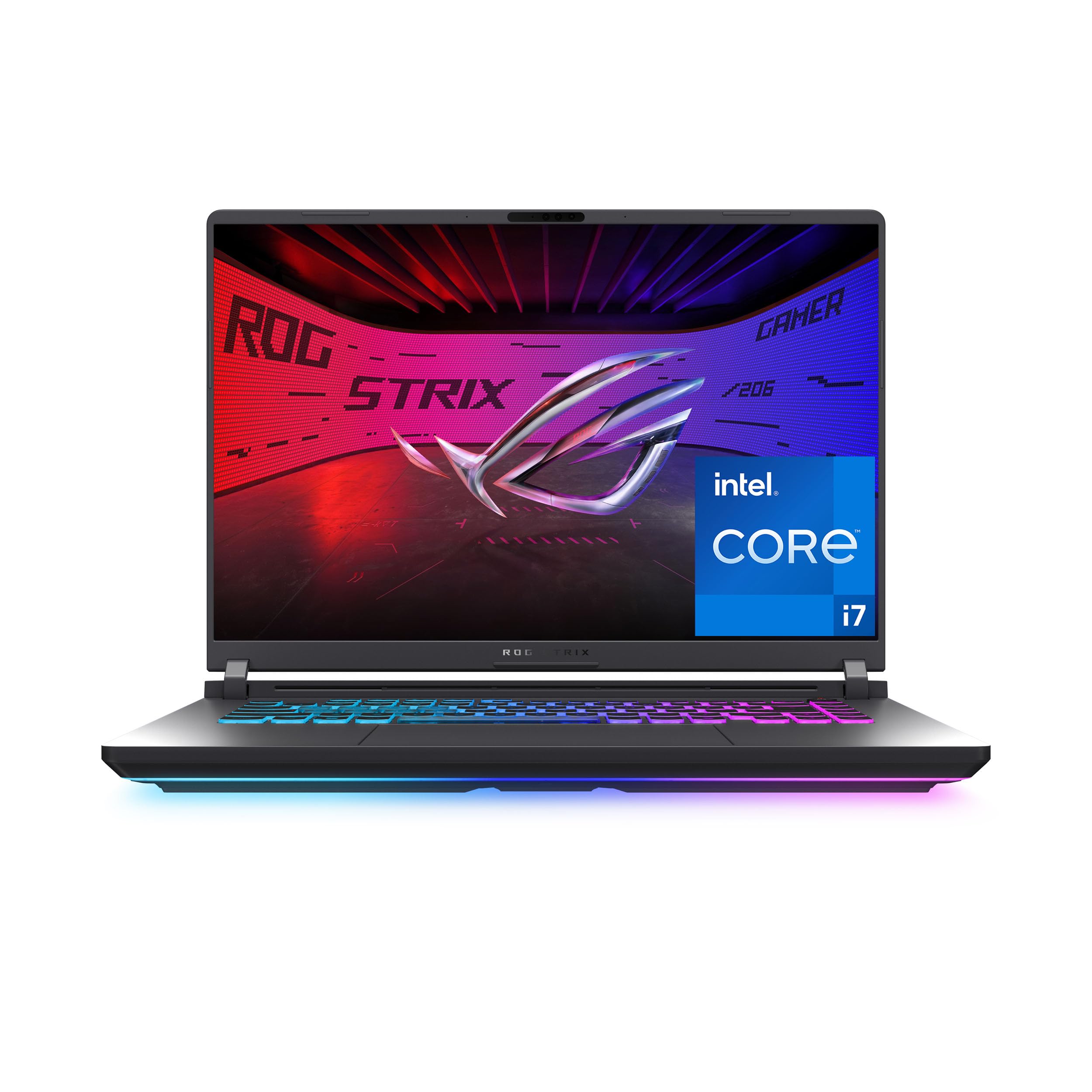
I reach for this ROG Strix when I want a laptop that travels without sacrificing too much power. The 16″ 165Hz screen gives me room to see mixer lanes and piano roll, while the i7 and RTX 5060 handle real-time plugins and light rendering. It’s compact enough to carry between sessions and solid enough to sit on my desk for long mixes, though I plan around battery life for heavy work.
Tool-free upgrade access means I can add more RAM or storage later if my projects outgrow the stock setup.
Long-Term Value
Upgradeable RAM and a roomy Gen4 SSD let me extend the laptop’s useful life instead of replacing it, which spreads cost over time and keeps total ownership lower.
Situational Benefits
| Situation | How It Helps |
|---|---|
| Traveling Producer | The lighter chassis and solid performance mean I can sketch ideas and edit on the go without lugging a bulky rig. |
| Desk-Based Mixing | I get steady CPU headroom for moderate plugin counts and fast disk access during long mixing sessions. |
| Live Streaming Practice | The dedicated GPU and CPU allow me to run OBS and visuals alongside FL Studio for smoother rehearsal streams. |
| Upgrade Path | Tool-free internals make adding RAM or a second SSD straightforward when projects demand more memory or storage. |
Versatility
I use it for music production, gaming, and light video edits; it’s a good all-rounder when I need a single machine for multiple creative tasks.
Innovation
Combining a high-refresh ROG Nebula-style panel, Gen4 SSD, and efficient cooling gives a snappy workflow and reliable performance during sustained sessions.
Comfort
The keyboard is comfortable for long edits and the chassis stays reasonably cool on a desk, though lap use during heavy loads is not ideal.
Expertise Level
Beginner to Intermediate
Performance
Solid multicore performance and fast storage deliver quick project loads and stable playback with moderate plugin counts; upgrading RAM boosts headroom for larger sessions.
Key Benefits
- Portable 16″ chassis that still feels capable for DAW work
- 165Hz display helps with visual responsiveness and arranging
- 1TB Gen4 SSD for fast sample streaming and quick project loads
- Tool-free access for upgrading RAM or storage as needs grow
Current Price: $1,399.99
Rating: 4.4 (total: 502+)
FAQ
What Specs Should I Look For In A Laptop For FL Studio?
When I shop for a machine for FL Studio I focus on CPU performance, memory, and storage first. Aim for a modern multi‑core CPU with strong single‑core speeds so real‑time plugins stay responsive, at least 16GB RAM for comfortable multitasking, and an NVMe SSD for fast sample streaming and project loads.
I also check for multiple USB ports and good thermal design so the laptop won’t throttle under load. You don’t need the highest-end GPU for a DAW, but a dedicated graphics card helps if you also stream or edit video.
You can find capable setups from around $600 up to $2,400 depending on how much headroom you want.
Are Gaming Laptops Good For Music Production?
I often recommend gaming laptops because they pack powerful CPUs, fast storage, and lots of ports at competitive prices. The trade-offs I watch for are fan noise and battery life; during live tracking I prefer to record with the laptop on a desk and an external interface rather than on my lap. Using a quality audio interface and switching the laptop to a quieter or balanced fan profile for tracking helps a lot. For most producers a gaming laptop is a practical, cost‑effective studio workhorse.
How Do I Keep Latency Low And Avoid Dropouts In FL Studio?
I keep latency low by using the manufacturer’s ASIO driver (or ASIO4ALL if needed), setting an appropriate buffer for the task—low for tracking, higher for mixing—and disabling unnecessary background apps. I switch the power plan to high performance, keep projects on the SSD, and use direct monitoring on my audio interface when recording to avoid round‑trip latency.
If a session gets heavy I’ll freeze or bounce tracks to free CPU, and I make sure drivers and firmware for my interface are up to date.
What Buyers Prefer
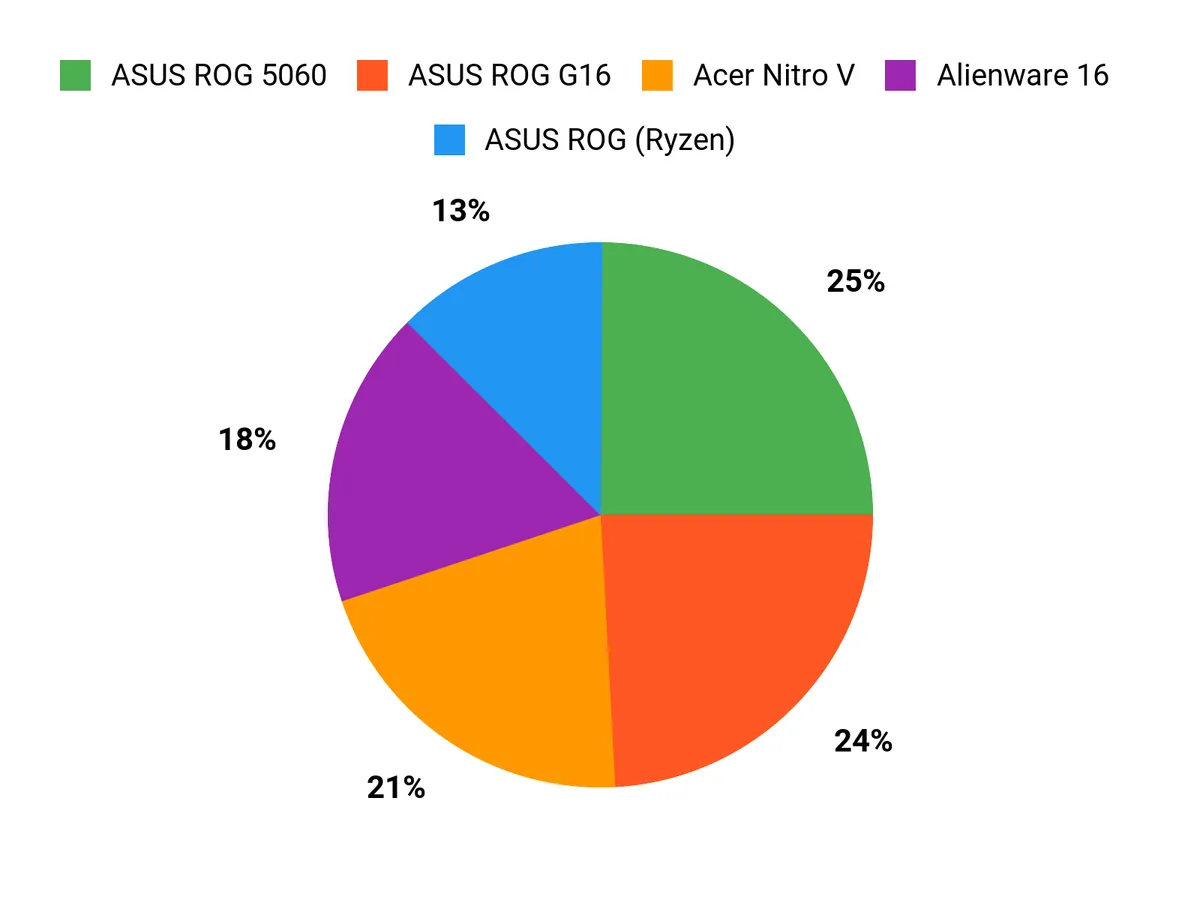
When choosing between these models I notice buyers prioritize raw CPU/RAM headroom for plugin-heavy FL Studio projects, plus fast NVMe storage and reliable cooling to avoid throttling. Many lean to the ASUS ROG G16 for top-tier performance and display, the Alienware 16 for strong power at a more approachable price, and the Acer Nitro V when they want solid specs with good value and upgrade options.
Wrapping Up
If I had to recommend one laptop for FL Studio, I’d pick the top-tier ASUS ROG G16 because its CPU, 32GB RAM, and fast SSD give me the headroom to run many tracks, synths, and effects without juggling buffers constantly. For creators who care about color-accurate, high-brightness displays and a large SSD, the Lenovo Legion 5i stands out as a studio-ready choice.
If budget is the main constraint, the Alienware 16 and Acer Nitro V strike the best balance of power and price while keeping upgrade paths open. For travel or quick sessions I’d turn to the lighter KAIGERR or MALLRACE options.
Ultimately, I chose these models so you can pick a machine that matches your workflow: more CPU and RAM for big projects, quieter cooling for recording, and fast storage for sample-heavy sessions, which together reduce latency and keep creative flow uninterrupted.
| Product Name | Image | Rating | Processor | RAM | Graphics | Price |
|---|---|---|---|---|---|---|
| Alienware 16 Aurora Gaming Laptop |  | 4.5/5 (122 reviews) | Intel Core i7-240H (1.8 GHz) | 16 GB DDR5 | NVIDIA GeForce RTX 5050 8GB | $998.69 |
| Acer Nitro V Gaming Laptop | 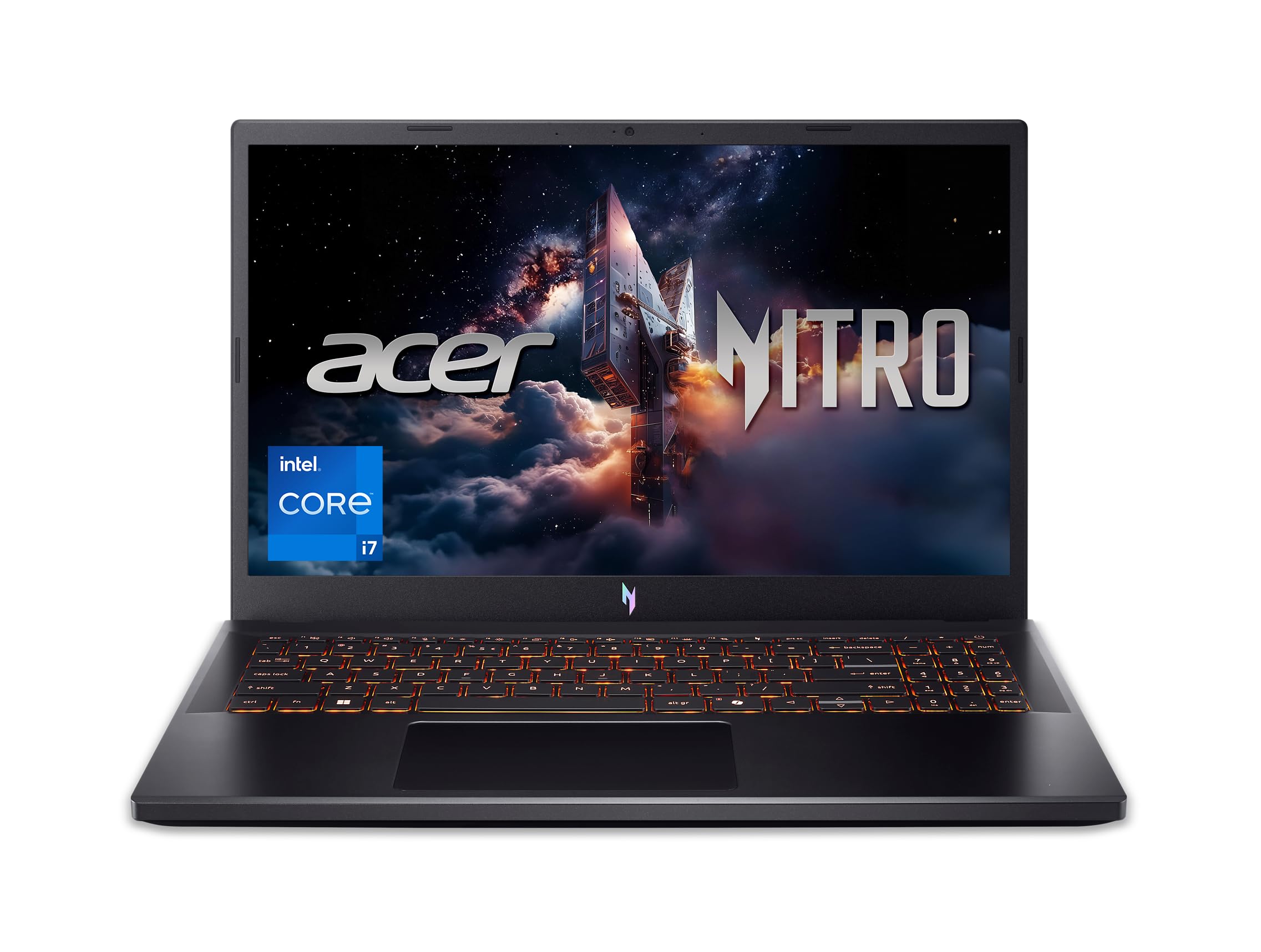 | 4.6/5 (190 reviews) | Intel Core i7-13620H (2.4 GHz) | 16 GB DDR5 | NVIDIA GeForce RTX 4050 6GB | $949.99 |
| ASUS ROG Strix G16 (2025) Gaming Laptop |  | 4.4/5 (437 reviews) | Intel Core Ultra 9 275HX (5.4 GHz) | 32 GB DDR5 | NVIDIA GeForce RTX 5070 Ti | $2,399.99 |
| Lenovo Legion 5i Gaming Laptop |  | N/A | Intel 24-core i9-14900HX (2.2 GHz) | 32 GB DDR5 | NVIDIA GeForce RTX 5070 8GB | $2,099.00 |
| New Gaming Laptop (KAIGERR) |  | 5.0/5 (5 reviews) | AMD Ryzen 7 7735HS (4.75 GHz) | 16 GB DDR5 | Integrated | $599.99 |
| ASUS ROG Strix G16 (2025) Gaming Laptop |  | 4.7/5 (39 reviews) | AMD Ryzen 9 9955HX (5.4 GHz) | 32 GB DDR5 | NVIDIA GeForce RTX 5070 | $2,099.00 |
This Roundup is reader-supported. When you click through links we may earn a referral commission on qualifying purchases.