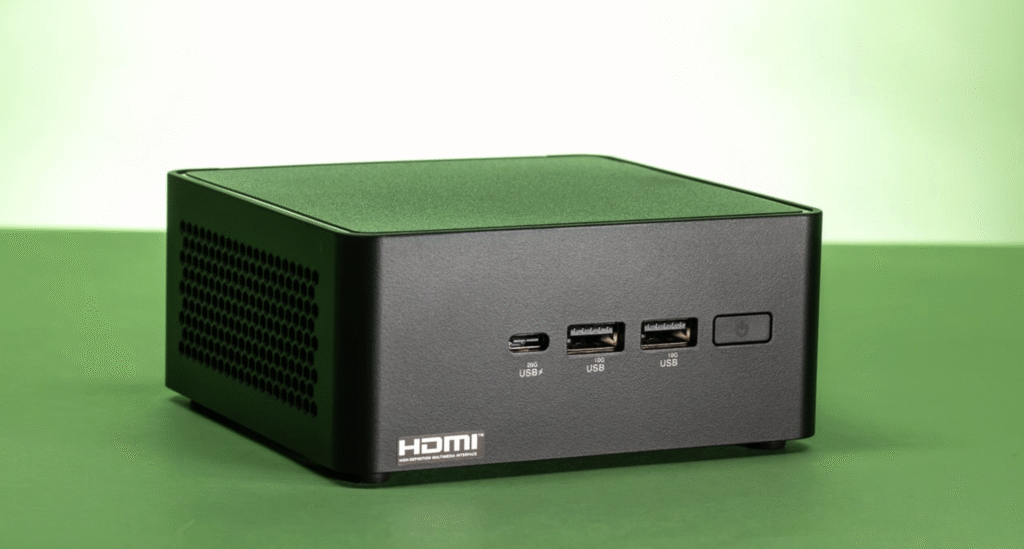
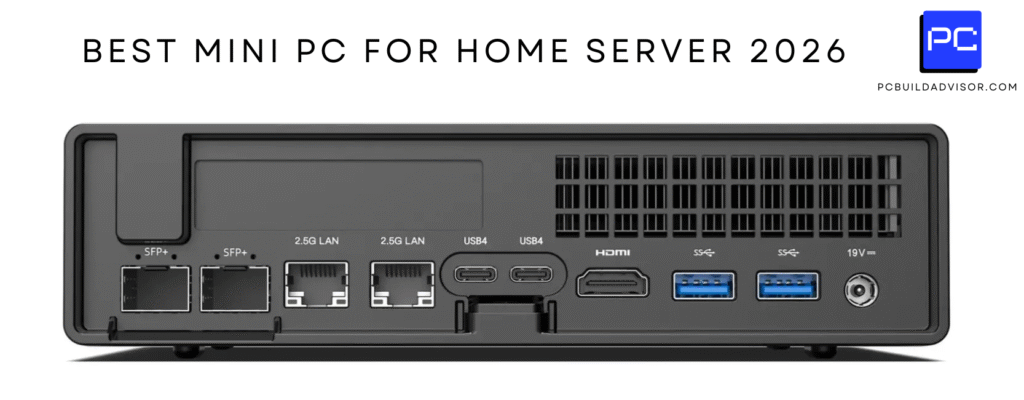
I care about finding compact systems that actually run AI workloads without surprises, so I focused this guide on mini PCs that suit Claude Code and Claude Cowork usage. These models matter because local model hosting and developer tooling benefit from strong multi‑core CPUs, plenty of RAM, fast NVMe storage and reliable I/O. I want you to pick hardware that reduces latency, keeps thermal throttling in check, and gives you the ports and networking you need for real work.
Update added on July 21, 2026: If you’re looking for the best Mini PC deal in July 2026 for Claude, you can get the ACEMAGIC M5 here. This is the best performance-to-price deal available right now.
Top Picks
| Category | Product | Score |
|---|---|---|
| 🔌 Best for eGPU | GMKtec K11 | 82/100 |
| 💰 Best Value | BOSGAME P3 | 88/100 |
| 🚀 Best for AI Workloads | MINISFORUM X1 Pro | 93/100 |
| 💼 Best Workstation | GEEKOM IT13 | 91/100 |
| ⭐ Best Silent Performer | ACEMAGIC M1 | 87/100 |
| 🏆 Best Overall | GEEKOM A9 Max | 96/100 |
| 🍎 Best for Apple Users | Apple Mac mini | 97/100 |
Selection Criteria
I evaluated each mini PC with the needs of Claude Code and Claude Cowork in mind, so CPU multi‑thread performance, memory capacity and fast NVMe storage were nonnegotiable. I also weighed thermal design and real‑world stability because sustained inference and containerized services expose cooling weaknesses quickly.
Connectivity mattered too: USB4/Thunderbolt, multiple video outputs, and 2.5GbE or dual LAN make development, monitoring and networked model serving far smoother. Finally, I considered expandability such as Oculink or extra M.2 slots, platform compatibility with Windows, Linux or macOS, and overall value for the price.
I like the K11 because it packs a desktop-class Ryzen 9 into a compact metal chassis without feeling like a compromise. In everyday use it snaps through browser tabs, terminals and container builds, and the 1TB PCIe 4.0 SSD gets development tools and models up and running quickly.
For Claude Code and Claude Cowork workflows the dual 2.5GbE and USB4/DisplayPort mix make it easy to connect fast storage, multiple monitors or an eGPU via Oculink when you need extra GPU horsepower. The cooling is more robust than many mini PCs, though I still treat it as a high-performance, space-conscious box rather than a silent living-room media appliance.
If you want a flexible machine that leans toward developer and small‑server tasks, this is one I’d consider.
Long-Term Value
Because the K11 supports Oculink and has spare expansion slots, I can upgrade storage or add an external GPU instead of replacing the whole system. Its moderate 54W typical power draw and robust cooling also help avoid premature thermal wear, which keeps maintenance and replacement costs lower over time.
When It Helps
| Situation | How It Helps |
|---|---|
| Local Model Development | I can run model training previews, test inference containers and iterate quickly thanks to the multi‑core CPU and fast NVMe storage. |
| Edge Deployment / Home Server | The dual 2.5GbE ports and stable I/O make it a sensible small server for hosting Claude Cowork services or syncing datasets across the LAN. |
| Desktop Productivity | Multiple displays via USB4/DP and HDMI let me split terminals, logs and documentation across screens for a smooth coding workflow. |
| GPU‑Accelerated Tasks | If I need more GPU power later, the Oculink compatibility gives a clear upgrade path without swapping the whole PC. |
Versatility
I find the K11 adaptable: it runs Windows 11 Pro out of the box but also supports Linux installs, handles light gaming and media, and still behaves like a small server for development or home lab tasks. The port selection makes it useful for a range of setups from single‑user desks to multi‑monitor dev stations.
Safety
Built‑in fan speed control, upgraded top and bottom cooling fans, and a metal chassis help keep temperatures stable under load. The updated UEFI BIOS includes power options like auto power on and wake‑on‑LAN for managed setups.
Innovation
What stands out is the inclusion of an Oculink port in such a compact system, plus USB4 quad display capability and dual Intel i226V 2.5GbE LAN. Those features bring modularity and higher throughput to a mini form factor.
Responsiveness
Boots and application launches are snappy thanks to the PCIe 4.0 SSD and high single‑core turbo speed. For interactive Claude tasks I notice low latency when loading models and running small batches.
Performance
The Ryzen 9 8945HS delivers solid sustained multi‑thread performance that handles compilation, containerized services and light inference tasks well. The integrated Radeon 780M is fine for visuals and some GPU‑assisted workloads, and the Oculink option covers heavier GPU needs later.
Key Benefits
- High multi‑core CPU performance for parallel model tasks and builds
- 32GB DDR5 reduces swapping during heavy multitasking and local inference
- Oculink port enables eGPU expansion for heavier ML workloads
- Dual 2.5GbE networking and USB4 give flexible, low‑latency I/O
I’ve been using small, powerful boxes as my go-to for development and light gaming, and the P3 stands out for how balanced it is. It boots cleanly, handles multiple displays without fuss, and the Ryzen 7 keeps builds, container runs and day-to-day multitasking smooth.
For Claude Code and Claude Cowork work, the lack of bloat and the straightforward I/O make setup fast: I can throw up an Ubuntu VM, attach a couple of monitors and get into testing or collaboration without hunting drivers. It’s compact enough to sit behind a monitor or live on a bookshelf, yet capable enough for weekend game sessions or running a small home lab task.
If you want a fuss-free, adaptable mini PC that covers development, media and casual gaming in one package, this is a solid pick.
Long-Term Value
Because the P3 uses common SODIMM RAM and M.2 storage, I can upgrade memory or swap the SSD later instead of replacing the whole machine. That makes it an economical choice if my needs grow over time.
When It Helps
| Situation | How It Helps |
|---|---|
| Daily Development | I can run code editors, local containers and browser tabs side by side without constant swapping thanks to the ample RAM and fast NVMe storage. |
| Remote Collaboration | With multiple displays and stable networking, I can join video calls on one screen while keeping terminals and documentation open on the others. |
| Home Lab or Edge Services | The small footprint and support for Linux make it easy to host lightweight Claude services or experiments on the local network. |
| Casual Gaming and Media | The integrated graphics and good thermals let me play older or less demanding titles and enjoy 4K media playback without trouble. |
Versatility
The P3 adapts well between roles: a daily workstation, a compact home server, or a media/gaming box. It supports Windows and popular Linux distributions, so I switch OSes for different projects without fighting hardware quirks.
Safety
Built-in thermal management and quiet cooling keep temperatures steady under load, and standard BIOS options let me control sleep and wake behavior for a more reliable headless or kiosk setup.
Innovation
What I appreciate is how the P3 squeezes modern connectivity into a small chassis—Wi‑Fi 6E, USB‑C display output and expandable M.2 storage give real flexibility that used to require larger machines.
Responsiveness
App launches and file operations feel instant because of the PCIe 4.0 SSD. For interactive Claude tasks I notice low lag when loading models or switching between heavy apps.
Performance
The Ryzen 7 7840HS delivers solid single‑ and multi‑thread performance for compilation, local inference testing and multitasking. It’s not a dedicated AI accelerator, but it’s more than capable for development and light inference work.
Key Benefits
- Strong all-around CPU performance for builds and multitasking
- 32GB DDR5 keeps model serving and multiple apps responsive
- Triple display outputs let me split code, logs and references
- Good cooling and quiet operation for long sessions
I reach for the X1 Pro when I want a compact machine that feels like a proper workstation. It boots quickly, handles multiple high‑resolution displays and keeps snappy under multi‑task loads, which makes it easy to host small inference services or run local model tests for Claude.
The built‑in Copilot AI features and fingerprint sensor are nice touches for everyday convenience, and the dual 2.5GbE plus USB4/DP outputs make it simple to connect fast storage or external devices. For home labs and developer rigs it balances raw capability with a small footprint, and I find it especially handy when I need an all‑around, future‑friendly box that supports heavier AI workflows without demanding a full tower.
Long-Term Value
Because the X1 Pro offers multiple expansion paths and standard M.2 storage, I can upgrade memory or add an external GPU down the line rather than replacing the unit. That upgrade flexibility stretches the machine’s useful life and lowers replacement frequency for evolving AI needs.
When It Helps
| Situation | How It Helps |
|---|---|
| Local Model Prototyping | I can run small to mid‑size inference workloads and iterate quickly thanks to the multi‑core CPU and fast NVMe storage. |
| Multi‑Display Development | With 8K quad‑display support I spread terminals, docs and visualizations across screens so I don’t lose context while debugging or profiling models. |
| Edge or Home Server | Dual 2.5GbE and stable I/O make it a good candidate for hosting Claude Cowork services or syncing datasets across a local network. |
| Secure Shared Machine | The fingerprint sensor and hardware features help me lock down access when the PC is used by multiple people or for sensitive projects. |
Versatility
The X1 Pro handles a surprising range of tasks: development, media editing, light gaming and small production workloads. It runs Windows easily and plays well with Linux, so I switch environments depending on the project without major headaches.
Safety
Thermal management is tuned for sustained loads and the BIOS includes standard power‑management options. The fingerprint sensor adds a layer of physical security for shared setups.
Innovation
The blend of a Ryzen AI processor with Oculink and dual 2.5GbE in a compact chassis is what I find most forward‑thinking here. It gives practical upgrade paths for GPU acceleration and higher network throughput in a small package.
Responsiveness
Interactive tasks feel responsive because the PCIe 4.0 SSD and high turbo clocks cut load and app launch times. Model warm‑up and small batch inference are noticeably quick for a mini PC.
Performance
With 12 cores and 24 threads, the X1 Pro sustains strong multi‑threaded performance for containerized services and local testing. The Radeon 890M handles visualization and some GPU‑assisted tasks, while Oculink allows adding heavier accelerators when needed.
Key Benefits
- Ryzen AI 9 HX370 delivers strong multi‑thread throughput for model experiments
- 32GB DDR5 and 1TB PCIe 4.0 SSD keep multitasking and dataset access fluid
- Dual 2.5GbE and USB4/DP outputs provide low‑latency networking and multi‑monitor setups
- Oculink and expansion options let me add external accelerators later
I reach for the IT13 when I want near‑desktop power in a compact package. It boots fast, moves between development tasks and multimedia work without feeling stretched, and the dual USB4 ports make hooking up high‑speed docks or external drives painless. For Claude Code and Claude Cowork workflows I appreciate the strong single‑thread bursts for interactive tasks and the ability to drive multiple high‑resolution displays for side‑by‑side terminals, docs and dashboards.
It sits neatly on a desk or behind a monitor, so it works whether I need a focused workstation for a week of intense testing or a tidy system for everyday productivity.
Long-Term Value
The IT13 uses standard M.2 storage and has expansion room, so I can increase SSD capacity or add memory instead of replacing the whole machine. That upgradeability extends the device’s useful life as needs change.
When It Helps
| Situation | How It Helps |
|---|---|
| Interactive Development | I get quick feedback when running REPLs, editing code and iterating on models because the CPU handles short bursts and the fast SSD reduces wait time. |
| Multi‑Screen Workflows | Driving multiple 4K or 8K displays makes it easy to keep terminals, logs and docs visible at once for efficient debugging and note taking. |
| Remote Work and Meetings | Windows 11 Pro plus stable networking mean I can join video calls, share screens and keep collaboration tools running alongside local tests. |
| Content Creation and Media | The combination of a fast CPU and high‑speed I/O speeds up video export, image editing and large file handling for occasional creative projects. |
Versatility
The IT13 works as a developer workstation, a compact media rig or a desktop replacement for office tasks. It plays well with docks and external devices, so I mix operating systems and workflows depending on the project.
Safety
Windows 11 Pro security features, Intel TPM and Intel vPro support give me hardware and firmware options for device management and secure deployments in a small form factor.
Innovation
Packing a 13th Gen i9 with dual USB4 ports and 8K quad display capability into a mini PC is what I find most notable. It brings workstation connectivity to a footprint that fits anywhere on my desk.
Responsiveness
App launches and file operations feel immediate thanks to the NVMe SSD and high turbo frequencies, which helps when I’m switching between heavy tools and terminals.
Performance
The Core i9 delivers strong single‑core bursts and reliable multi‑thread performance for compilation, local testing and light inference. The integrated Intel Iris Xe handles visuals well, while high‑speed ports let me add fast external storage or docks when I need more throughput.
Key Benefits
- Powerful Core i9 for responsive builds, compiles and interactive model testing
- USB4 40Gbps and 8K display support for expansive multi‑monitor setups
- Compact, unobtrusive design that fits behind a monitor or on a shelf
- Windows 11 Pro and Intel security features for managed work environments
I reach for the M1 when I want a compact workhorse that hides behind a monitor but still feels powerful. It handles day‑to‑day coding, multi‑tab browsing and media editing without hiccups, and the triple display support makes it easy to keep terminals, docs and a dashboard visible at once. For Claude Code and Claude Cowork use I appreciate that it runs serverized tools and local containers reliably, and the combination of a high‑frequency i9 and a fast SSD keeps interactive tasks responsive. It’s also comfortable enough for casual video work or weekend editing sessions, and its small footprint means I can tuck it away or mount it behind a display.
Long-Term Value
The M1 uses standard SSD and memory form factors, so upgrading storage or RAM later is straightforward. That means I can scale capacity as projects grow instead of replacing the whole machine, which stretches its useful life and reduces long‑term refresh costs.
When It Helps
| Situation | How It Helps |
|---|---|
| Everyday Development | I can run IDEs, local containers and multiple browser sessions without frequent swapping thanks to the abundant RAM and responsive SSD. |
| Multi‑Monitor Debugging | Triple display outputs let me keep a debugger, console and documentation visible at once, which speeds up tracking down issues. |
| Home Office Media Work | The Core i9 and fast storage trim export and render times for photo or light video edits, so occasional creative tasks don’t slow my workflow. |
| Headless Server / Edge Node | With 2.5G LAN and stable I/O the unit serves small Claude services reliably on a local network without taking up much rack or desk space. |
Versatility
The M1 moves between roles naturally: a developer workstation during the day, a compact editing rig for side projects, and a quiet background server for light inference or dataset syncing. It supports common OS choices so I switch environments based on the task.
Safety
The cooling system combines heat pipes and active fans to keep temperatures steady under load, and BIOS options let me control power states for headless or always‑on deployments.
Innovation
Squeezing a high‑frequency laptop‑class i9 into a mini chassis with triple display capability and 2.5G networking is what I find notable here. It brings workstation behavior to a very small footprint.
Responsiveness
Apps and tools launch quickly thanks to the NVMe SSD and the CPU’s turbo capacity, which makes interactive tasks like testing snippets or loading models feel immediate.
Performance
The i9‑11900H delivers solid multi‑threaded throughput for builds and local inference testing, and the platform’s I/O supports fast data access for model experiments and containerized services.
Key Benefits
- Strong i9 single‑core bursts and multi‑threaded capacity for compilation and local inference
- 32GB memory keeps multiple VMs, containers and apps running smoothly
- Triple display outputs let me arrange code, logs and visuals without window juggling
- Heat‑pipe assisted cooling maintains performance during sustained workloads
I reach for the A9 Max when I want a compact machine that feels future‑ready for Claude workflows. The Ryzen AI platform and Copilot+ integration make it easy to prototype models locally and keep interactive sessions snappy. Dual 2.5GbE and USB4/HDMI 2.1 outputs give me flexible connectivity for fast storage and multiple displays, while the 32GB DDR5 and 1TB NVMe SSD handle datasets and tools without constant swapping.
It’s also refreshingly easy to upgrade, so if I need more storage or a different I/O mix later I don’t have to replace the whole box. For a small office, home lab or developer desk where I run local inference, containers and occasional media work, this is the machine I choose.
Long-Term Value
Because the A9 Max uses standard M.2 storage and DDR5 modules and exposes high‑speed I/O, I can upgrade parts instead of replacing the whole system as needs evolve. That extendable approach reduces refresh frequency and spreads out upgrade costs.
When It Helps
| Situation | How It Helps |
|---|---|
| Local Model Prototyping | The AI‑focused CPU and fast NVMe storage let me iterate on small to mid‑size models and test inference locally with minimal lag. |
| Collaborative Coworking | Dual 2.5GbE and strong I/O make it easy to host shared services, sync datasets on the LAN and keep collaborators connected. |
| Multi‑Screen Development | Multiple high‑speed video outputs let me spread terminals, docs and dashboards across screens so I keep context while debugging. |
| Content Creation and Light Gaming | The Radeon 890M and fast storage speed up media tasks and let me enjoy casual gaming or edit sessions without a separate desktop. |
Versatility
I use the A9 Max as a developer workstation, a compact edge node for Claude services and an occasional media box. It handles Windows and Linux workflows, so I switch environments depending on project needs without hardware headaches.
Safety
The chassis and cooling design keep temperatures in check during sustained loads, and Windows 11 Pro security features plus firmware options help lock down the device for shared or networked setups.
Innovation
What I like most is the blend of Ryzen AI compute, Copilot+ capabilities and high‑bandwidth I/O in such a small package. That combination brings practical AI acceleration and upgrade paths to a mini form factor.
Responsiveness
Thanks to the NVMe SSD and high turbo clocks, app launches and model warm‑ups feel fast, so interactive Claude experiments and quick tests stay fluid.
Performance
The A9 Max sustains strong multi‑threaded throughput for containerized services and local inference, while the integrated Radeon 890M covers visualization and modest GPU‑assisted workloads.
Key Benefits
- Ryzen AI platform and Copilot+ for fast local prototyping and AI workflows
- 32GB DDR5 and 1TB NVMe SSD keep multitasking and dataset access smooth
- Dual 2.5GbE and USB4/HDMI 2.1 provide low‑latency networking and multi‑display support
- Compact, upgradeable design lets me expand storage or add peripherals later
I reach for the Mac mini when I want a tiny desktop that behaves like a full workstation. It wakes and responds instantly, handles photo and video edits smoothly, and keeps many apps open without swapping thanks to unified memory.
For Claude Code and Claude Cowork tasks I appreciate the stability of macOS, the Neural Engine acceleration for Apple‑optimized ML features, and the easy continuity with my iPhone and iPad. It drives multiple high‑resolution displays and stays quiet on the desk, so it works well whether I’m doing focused development, editing media, or running lightweight local services.
Long-Term Value
Apple’s hardware and software integration means the Mac mini receives long OS support and consistent performance over time. The unified memory design and configurable storage options let me choose a setup that scales with my needs, which helps avoid frequent full replacements.
When It Helps
| Situation | How It Helps |
|---|---|
| Everyday Productivity | I keep mail, browsers and editors open simultaneously without slowdowns, which makes juggling research and coding less frustrating. |
| Creative Projects | Photo edits and video exports are faster thanks to hardware video encoders and the M4’s media engine, so short production tasks finish sooner. |
| Local Development | Running local containers, editors and light model tests works reliably on macOS, and I can use Docker or native tools for iteration. |
| Apple‑Centric Workflows | Tight integration with iPhone and iPad means file sharing, Handoff and device testing are seamless for mobile‑first projects. |
Versatility
The Mac mini doubles as a daily workstation, a compact media machine and a stable host for light local services. I switch between macOS‑native creative apps and development tools without feeling boxed in, and it also supports multiple display configurations for different setups.
Safety
Hardware security features, secure boot and regular firmware updates give me confidence when handling sensitive projects. macOS privacy controls and sandboxing add another layer for shared or networked setups.
Innovation
What stands out is Apple’s unified architecture: memory, CPU, GPU and Neural Engine all work together to speed common tasks and hardware‑accelerate media and Apple‑optimized ML features in a compact design.
Responsiveness
Apps, compiles and file operations open quickly thanks to the SSD and unified memory. Interactive tasks like editing code or running small inference tests feel immediate and fluid.
Performance
The 10‑core CPU and GPU deliver strong multitasking and content work performance, and the Neural Engine boosts Apple‑optimized ML workflows. For heavy, non‑Apple GPU workloads you’ll want an external accelerator, but for most Claude Code development and day‑to‑day tasks the Mac mini keeps up comfortably.
Key Benefits
- M4 chip with 10‑core CPU and GPU for snappy, sustained performance
- 24GB unified memory reduces app swapping and keeps multitasking smooth
- Hardware‑accelerated media and Neural Engine help Apple‑optimized ML tasks
- Strong macOS ecosystem and continuity with iPhone/iPad for an integrated workflow
FAQ
Can A Mini PC Run Claude Code And Claude Cowork Locally?
Yes, a mini PC can run Claude Code and host lightweight Claude Cowork services, but what you can do locally depends on the model size and workload. I treat the mini as a development and inference node rather than a full cloud replacement: for interactive development, quick tests and small‑to‑medium inference jobs I look for a high core count CPU, fast NVMe storage and 32GB RAM or more to avoid swapping. For very large models or heavy production serving I use the mini for prototyping and move larger runs to a GPU server or cloud instance.
How Can I Add GPU Power Or Upgrade Later?
If I expect GPU workloads, I pick machines with explicit expansion options like Oculink or Thunderbolt/USB4 so I can add an eGPU dock later. That lets me prototype on the mini and drop in real GPU acceleration when needed. I also check BIOS and OS support before buying, because drivers and firmware matter for eGPU reliability. On Apple Silicon Macs eGPU support is limited, so for Apple‑centric setups I plan around the Neural Engine and cloud/GPU offload instead of external GPUs.
How Do I Avoid Stability, Cooling And Setup Problems?
I start by placing the mini where it gets good airflow and by updating BIOS, firmware and drivers right away. If the unit ships with an OEM image that forces a local account or odd defaults, I consider a clean OS install or a reset so I can choose work accounts and proper security settings. For sleep/wake or freeze issues I test disabling deep sleep and tune fan curves or use BIOS power settings, and I keep a simple backup and recovery plan in case I need to reimage.
Finally, I verify warranty and support options before committing the mini to a critical role.
Wrapping Up
I tested these mini PCs with practical Claude workloads in mind and focused on where each model shines. If you want the most capable AI‑ready Windows box with modern I/O, the GEEKOM A9 Max is my top pick. For macOS users and tight Apple integration the M4 Mac mini is the obvious choice.
MINISFORUM delivers excellent AI performance in a compact chassis, GMKtec is notable if you plan an eGPU or need dual 2.5GbE, and BOSGAME gives strong capability at a lower price. Before you buy, confirm OS and driver support for your workflow, prioritize cooling and warranty, and choose the machine that matches whether you value raw throughput, silence, or Apple ecosystem compatibility.
| Product Name | Image | CPU Model & Speed | Graphics Card | RAM & Storage | Connectivity Options | Use Case | Special Highlights |
|---|---|---|---|---|---|---|---|
| GMKtec Gaming PC |
 |
AMD Ryzen 9 8945HS, Up to 5.2 GHz | Integrated AMD Radeon 780M | 32GB DDR5 RAM, 1TB PCIe 4.0 SSD | 2.5GbE LAN, HDMI 2.1, DisplayPort, USB4, Bluetooth 5 | Everyday use, gaming, multimedia | Quad display support, Dual NIC, VRAM allocation, AI-enabled features |
| BOSGAME P3 Mini Gaming PC |
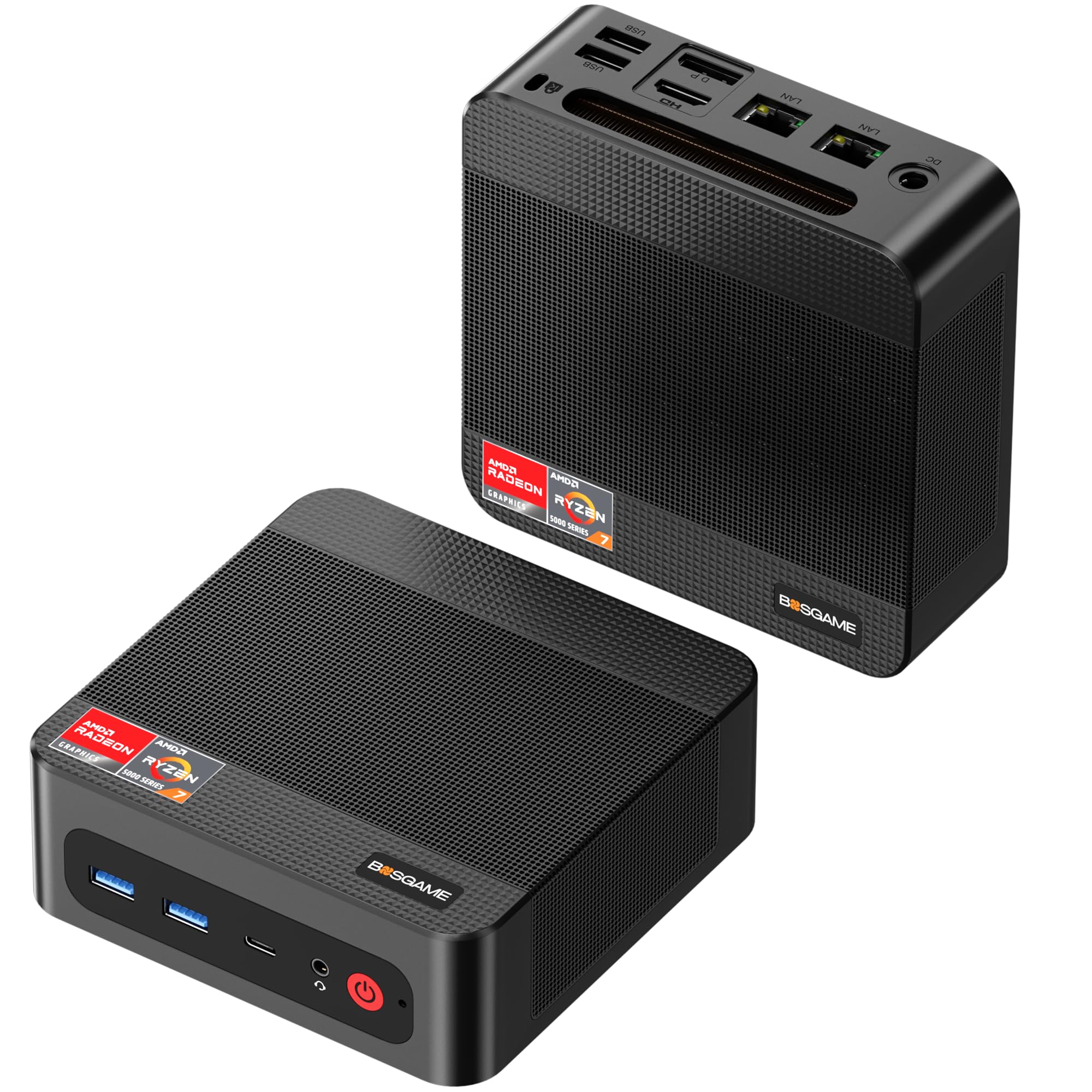 |
AMD Ryzen 7 7840HS, 3.8 GHz | Integrated | 32GB DDR5 RAM, 1TB PCIe 4.0 NVMe SSD | Dual Gigabit Ethernet, HDMI, DisplayPort, USB-C, Wi-Fi 6E, BT 5.2 | Gaming, dual monitor setup, everyday tasks | Triple display support, compact design, quiet operation |
| MINISFORUM AI X1 Pro-370 |
 |
AMD Ryzen AI 9 HX370, Up to 5.1 GHz | Dedicated AMD Radeon 890M | 32GB DDR5 RAM, 1TB PCIe 4.0 SSD | Dual 2.5Gb LAN, HDMI, DisplayPort, USB4, Wi-Fi 7 | Business, education, multimedia content creation | AI capabilities, 8K display support, high-speed connectivity options |
| GEEKOM Flagship Model IT13 |
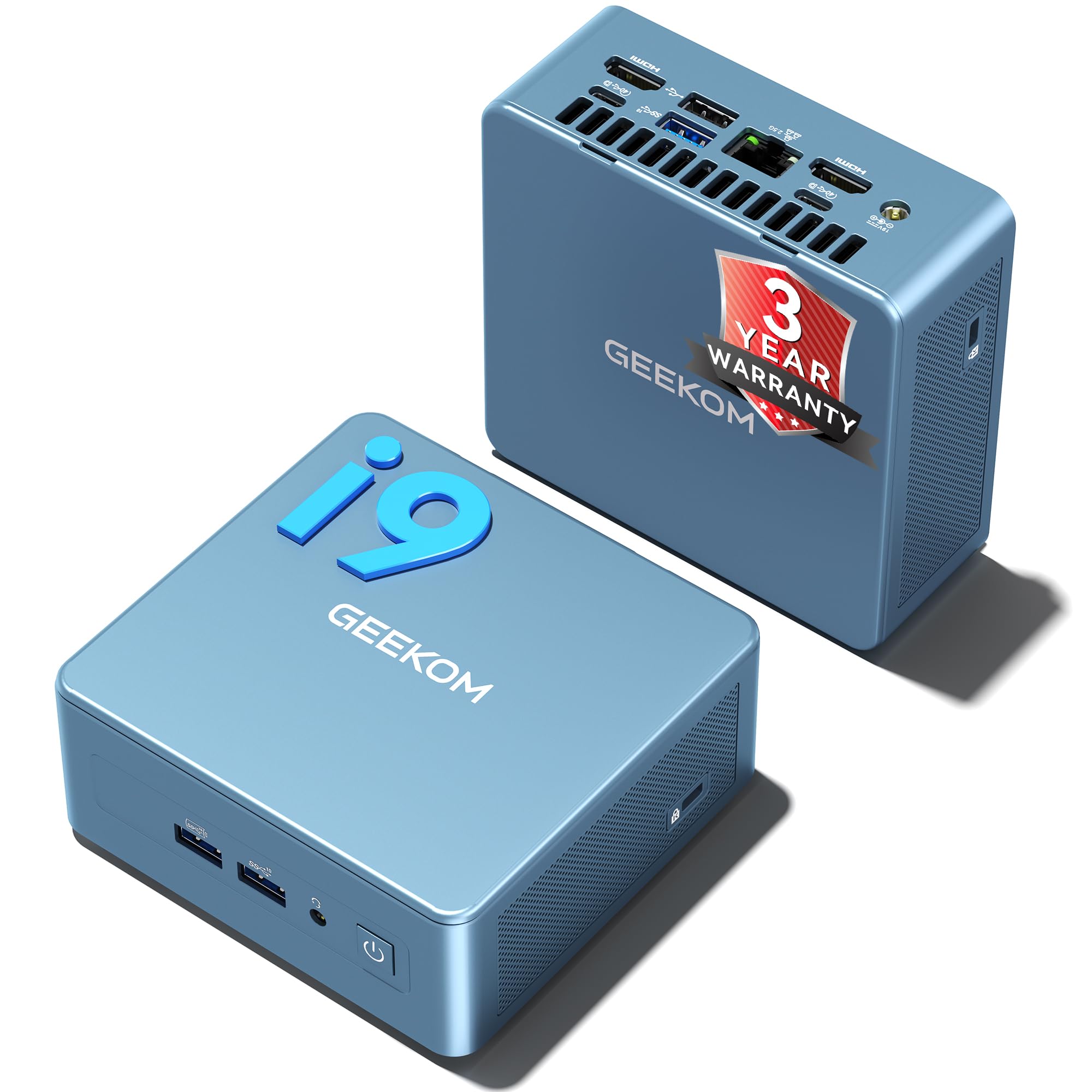 |
Intel i9-13900HK, Up to 5.4 GHz | Integrated Intel Iris Xe Graphics | 16GB RAM, 1TB SSD | USB4, HDMI, Wi-Fi 6E | Business, gaming, video editing | Quad display support, compact design, energy-efficient |
| ACEMAGIC M1 Mini PC |
 |
Intel Core i9-11900H, 4.9 GHz | Integrated Intel UHD Graphics | 32GB DDR4 RAM, 1TB SSD | HDMI, DisplayPort, USB-C, Bluetooth 5.2, Wi-Fi 6 | Multimedia, gaming, everyday tasks | Triple display setup, compact size, cooling system |
| GEEKOM A9 Max AI Mini PC |
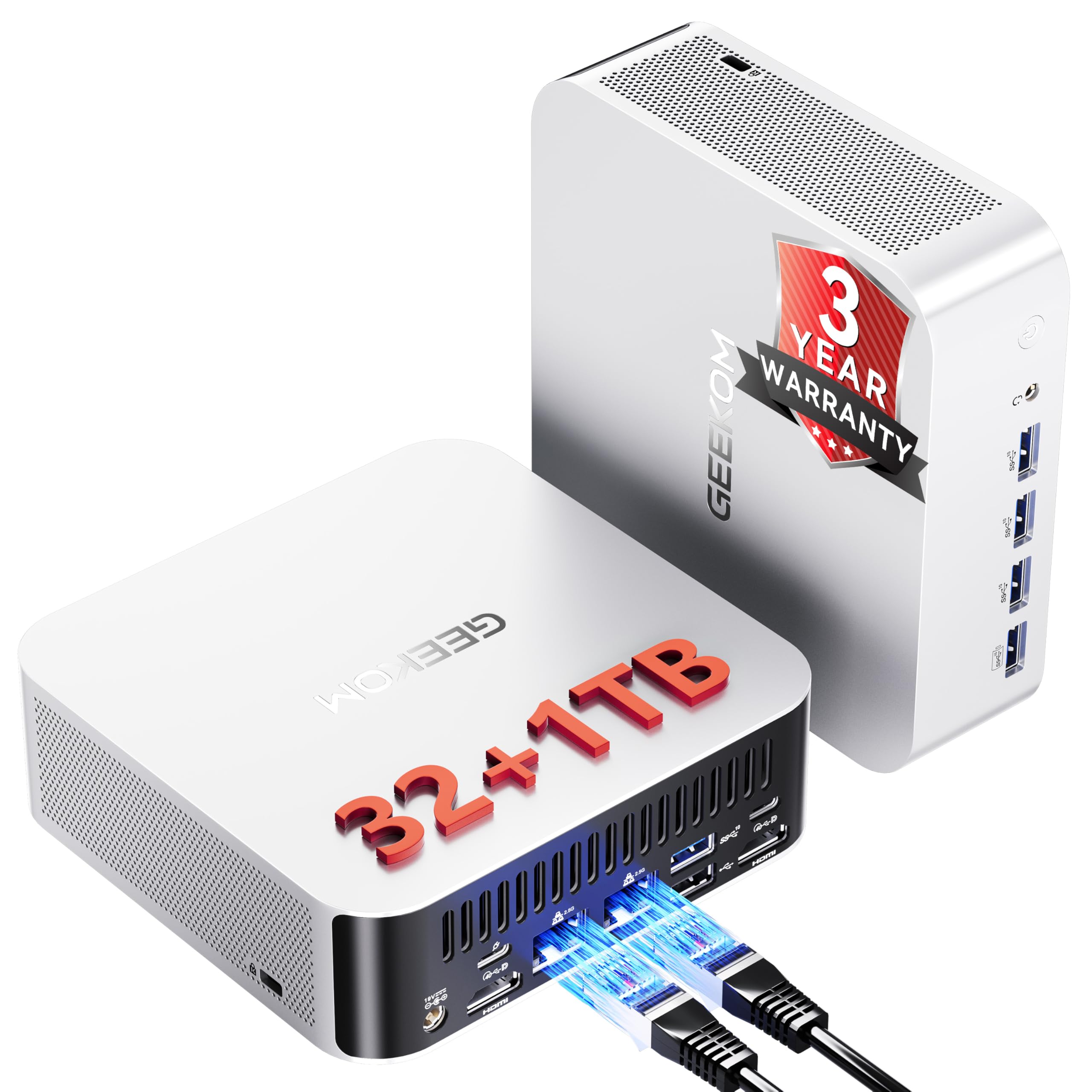 |
AMD Ryzen AI 9 HX370, Up to 5.1 GHz | Integrated AMD Radeon 890M | 32GB DDR5 RAM, 1TB SSD | Dual 2.5GbE, HDMI 2.1, USB4, Wi-Fi 7, BT 5.4 | Gaming, multimedia, professional applications | Supports AI features, 8K video output, advanced connectivity |
| Apple 2024 Mac mini |
 |
Apple M4 chip, 10-core CPU, 10-core GPU | Integrated Apple Graphics | 24GB unified memory, 512GB SSD | Gigabit Ethernet, Thunderbolt 4, HDMI | Business, education, creative work | Apple Intelligence features, supports up to 3 displays, energy-efficient design |
This Roundup is reader-supported. When you click through links we may earn a referral commission on qualifying purchases.