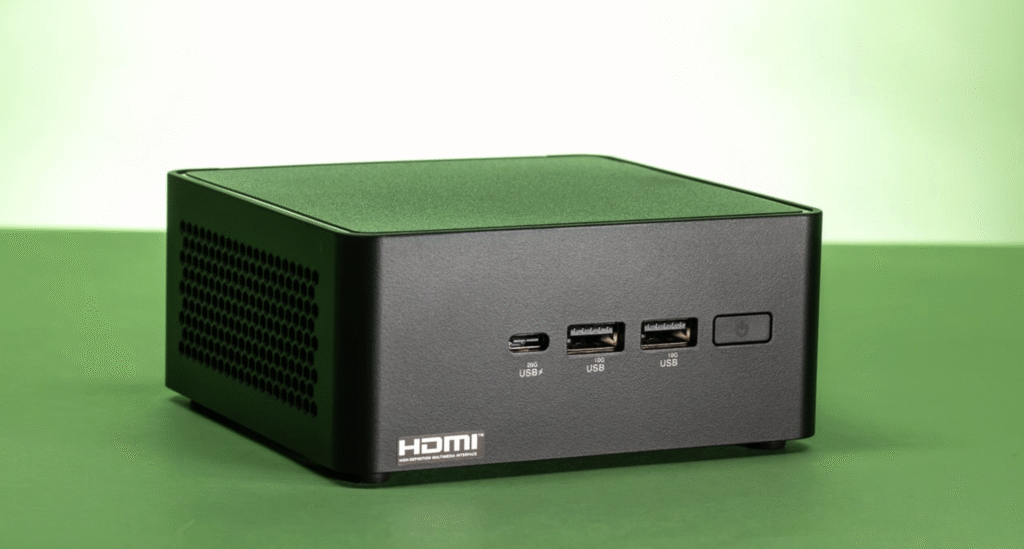
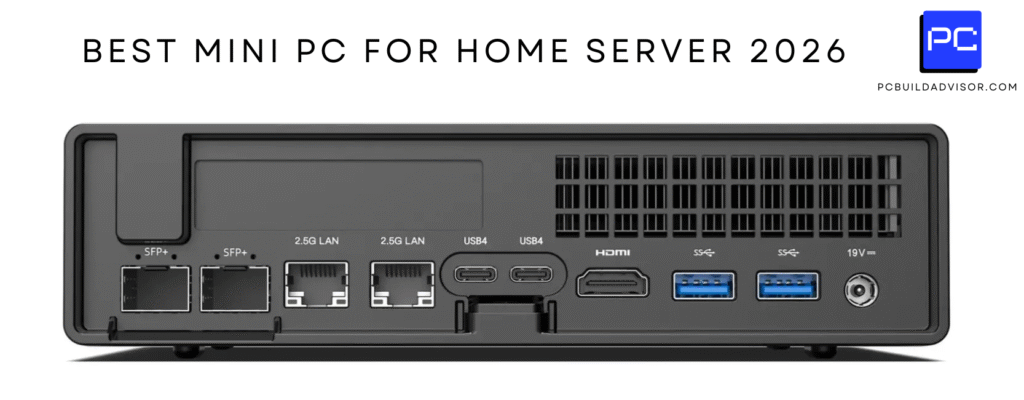
I know how important a reliable, compact streaming rig can be when the World Cup is on. For FIFA World Cup 2026 I want a mini PC that keeps streams smooth, supports multiple high-resolution displays, and fits into a living room or travel bag without the noise or bulk of a full desktop. Picking the right mini PC saves me from buffering, audio sync issues, and last-minute scrambling during key matches.
Top Picks
|
Category |
Product |
Score |
|---|---|---|
|
🏆 Best Overall |
96/100 |
|
|
🎯 Best for Media Centers |
94/100 |
|
|
🔧 Best for Custom Builds |
92/100 |
|
|
💼 Best Home Server |
88/100 |
|
|
💰 Best Budget |
82/100 |
How I Picked These Mini PCs
When I evaluate mini PCs for streaming sports I focus on a few practical points that matter on match day. I prioritize video output and display support so you can run one or more 4K displays with smooth framerates.
Networking is next: Wi‑Fi 6/6E and 2.5G LAN reduce buffering and let me stream multiple feeds or send content to other devices. I also weigh CPU and memory for decoding multiple streams, cooling and noise levels so the unit stays quiet during long matches, and expandability for storage or future upgrades.
Finally I consider value and ease of setup because I want something that works reliably without a long configuration process.
I like the P1 because it balances size and capability in a way that fits living rooms and small desks. It handles multiple 4K outputs, stays relatively quiet with air cooling, and includes the usual ports I need for a TV or monitor setup.
For day-to-day use I stream matches, keep a couple of browser tabs open, and run a chat or scoreboard app without hiccups. On match day it’s easy to tuck behind the TV or mount with the included VESA kit, so the setup looks tidy and stays out of the way. If you want a straightforward mini PC that doesn’t demand a lot of fuss, this one is a practical pick.
Long-Term Value
Because the P1 is upgradeable and draws modest power, I can extend its useful life by adding storage or swapping RAM, and it keeps running cool without needing frequent replacements or repairs.
When It Helps
|
Situation |
How It Helps |
|---|---|
|
Living Room Streaming |
I can connect the P1 to a TV and run a couple of streams or a second stats feed while keeping audio and video in sync. |
|
Travel or Away Matches |
Its small size and included VESA kit make it easy to pack in a bag and set up with a hotel TV or external monitor. |
|
Multi-Display Desk Setup |
With multiple video outputs I use it to show the game on one screen and team stats or a chat on another without swapping cables. |
Ease of Use
|
Feature |
Ease Level |
|---|---|
|
Setup |
Easy |
|
OS and Basic Apps |
Moderate |
|
Hardware Upgrades |
Requires Basic Skill |
Versatility
I find the P1 versatile enough for streaming, light media server tasks, and office work. It isn’t for heavy video editing or high-end gaming, but it covers most streaming and everyday computing needs well.
Practicality
This mini PC is practical for people who want a clean, low-noise setup for watching matches and running companion apps. The range of ports means fewer adapters and less cable juggling.
Energy Efficiency
With modest power consumption it runs cool and doesn’t add much to my electricity use during long viewing sessions, which keeps the system quiet and affordable to run over time.
Speed & Responsiveness
Performance is snappy for streaming and multitasking thanks to the Ryzen CPU and 16GB of RAM, so apps load quickly and switching between feeds feels responsive.
Key Benefits
- Triple 4K outputs for multi-screen viewing
- Compact footprint that fits behind a TV or in a media cabinet
- Sufficient RAM and SSD for smooth streaming and multitasking
- Included VESA mount and basic accessories for easy installation
I reach for the P4 when I want a compact system that doesn’t compromise on connectivity or display options. It can drive three 4K screens, has fast wired and wireless networking, and comes with a roomy NVMe drive that handles media libraries and multiple streams without fuss.
It’s small enough to tuck into a media cabinet but powerful enough to run a Plex server, a couple of streaming apps, and a browser with live stats open. For match days it keeps video smooth and networking stable, and for everyday work it behaves like a capable desktop without taking up desk real estate. If you want a single box that covers streaming, light content work, and home server duties, this one is a solid, practical choice.
Long-Term Value
Because it packs modern networking and a roomy NVMe drive, I don’t need to add external networking devices or storage right away. Its expandability and compatibility with Linux or Windows mean I can refresh software or reuse the hardware for new tasks instead of replacing it.
When It Helps
|
Situation |
How It Helps |
|---|---|
|
Living Room Match Day |
I can stream the main feed to the TV while running a second stats or commentary feed on an extra monitor without fuss. |
|
Home Server Duties |
With dual 2.5G LAN and ample NVMe space it handles media serving and file sharing for the household reliably. |
|
Desk With Multiple Screens |
Triple outputs let me keep the game, a browser with stats, and a chat window visible at once for an efficient setup. |
|
On The Road |
Its compact footprint makes it easy to pack and connect to hotel TVs or temporary monitors for away games. |
Ease of Use
|
Feature |
Ease Level |
|---|---|
|
Initial Setup |
Easy |
|
Network Configuration |
Moderate |
|
Software Choices |
Moderate |
|
Hardware Upgrades |
Requires Basic Skill |
Versatility
This mini PC works well as a living room streamer, a light workstation, and a compact home server. It’s flexible enough to switch roles as my needs change without needing a new machine.
Practicality
The P4’s mix of modern ports and strong network options reduces cable clutter and adapter hunting, making real setups simpler and neater for everyday use.
Energy Efficiency
With a modest power draw around 25 watts it runs cool and keeps energy use low during long viewing sessions, which matters when you’re streaming multiple matches in a row.
Speed & Responsiveness
Thanks to the Ryzen 7 and fast NVMe storage the system feels responsive when switching apps, launching streams, or scrubbing through recordings, so I don’t get stuck waiting on load times.
Key Benefits
- Triple 4K@60Hz outputs for rich multi-screen viewing
- Dual 2.5G LAN plus Wi‑Fi 6E for rock-solid streaming and low latency
- 1TB NVMe and 16GB RAM for fast load times and large media libraries
- Full-feature USB-C and modern ports reduce need for adapters
- Compact design with active cooling for sustained performance
I reach for the A5 when I want a mini PC that feels like a full desktop without the bulk. It handles streaming, light editing and media server duties with ease, and the 8K-capable output and multiple USB ports make it flexible for living room or desk setups. On a typical match day I use it to run the primary stream on my TV while keeping a stats window and chat on a secondary display.
For everyday work it behaves like a dependable small desktop, and the option to upgrade RAM or storage means I can adapt it as my needs change. The included three-year coverage is a reassuring touch when I plan to keep the unit as a central media machine.
Long-Term Value
Upgradability and robust hardware mean I can extend the A5’s life by adding more RAM or storage instead of replacing the whole unit. That, plus the longer warranty, minimizes disruption and keeps the device useful across future streaming needs.
When It Helps
|
Situation |
How It Helps |
|---|---|
|
Living Room Streaming |
I can connect to a TV for crisp playback while running companion apps on a second screen without juggling cables. |
|
Home Office Work |
It doubles as a compact workstation for documents, video calls and light editing when I’m not following matches. |
|
Media Server |
With roomy NVMe storage it serves media to other devices around the house and keeps libraries accessible. |
|
Travel Setup |
Its small footprint makes it easy to pack and connect to hotel or temporary displays for away viewing. |
Ease of Use
|
Feature |
Ease Level |
|---|---|
|
Initial Setup |
Easy |
|
Software & Apps |
Moderate |
|
Upgrading RAM/Storage |
Requires Basic Skill |
|
Display Configuration |
Easy |
Versatility
The A5 switches between roles smoothly: living room HTPC, home office desktop, and lightweight media server. It’s a single device that adapts to different needs without feeling compromised.
Practicality
Multiple ports, built-in Wi‑Fi 6 and Windows compatibility reduce adapter hassles and keep setup straightforward for everyday viewing and occasional heavier tasks.
Energy Efficiency
It runs efficiently for long viewing sessions and daily tasks, so I don’t worry about heat or high power draw while streaming multiple matches in a row.
Speed & Responsiveness
With a 4.3 GHz capable CPU and NVMe drive the system feels responsive when switching between streams, scrubbing replays, or opening apps, so I rarely wait on load times.
Key Benefits
- Powerful Ryzen 5 that handles multitasking and high-res playback
- 1TB NVMe plus upgradable RAM for roomy storage and smoother apps
- 8K-capable output and multiple ports for flexible display setups
- Windows 11 Pro ready for streaming apps and familiar desktop software
- Three-year coverage for longer-term peace of mind
I reach for the S13 when I want a small box that feels surprisingly capable. It handles dual 4K displays for a clear game feed and a secondary stats screen, and its LPDDR5 memory keeps apps responsive while I switch between streams and browser tabs.
The S13 is light enough to mount behind a TV or slip into a travel bag, yet it’s solid for everyday tasks like media serving, light editing and browsing. For match days it’s a dependable, low-profile option that gets the job done without demanding a lot of micromanagement.
Long-Term Value
Because it uses efficient components and offers basic expandability, the S13 can serve as a media hub or workstation for several years without needing frequent replacement, which keeps long-term upkeep simple.
When It Helps
|
Situation |
How It Helps |
|---|---|
|
Living Room Viewing |
I connect the S13 to the TV for the game and a second monitor for stats or chat, keeping everything visible without swapping devices. |
|
Plex or Media Server |
Its quiet operation and stable network make it a lightweight server for streaming household content to other devices. |
|
Compact Desk Setup |
On my desk it doubles as a desktop replacement, driving two displays for work and a live match feed without taking up much space. |
|
Travel and Temporary Setups |
I can tuck it in a bag and plug into hotel TVs or spare monitors for away-game viewing or remote work. |
Ease of Use
|
Feature |
Ease Level |
|---|---|
|
Initial Setup |
Easy |
|
Display Configuration |
Easy |
|
Network Setup |
Moderate |
|
Upgrading Storage |
Requires Basic Skill |
Versatility
The S13 flexes between roles well: living room streamer, small home server, or a compact workstation. It’s not aimed at heavy gaming, but it covers most streaming and everyday computing needs without fuss.
Practicality
Multiple modern ports and solid wireless support reduce adapter needs, so setups stay tidy and practical whether mounted behind a TV or sitting on a desk.
Energy Efficiency
Designed as a low-power mini PC, it stays cool and consumes little energy during long matches, which helps keep noise and heat to a minimum.
Speed & Responsiveness
With an N150 CPU and LPDDR5 memory the S13 responds quickly to app switching and stream playback, so I rarely wait when jumping between feeds or replays.
Key Benefits
- Dual 4K display support for crisp main and companion screens
- 12GB LPDDR5 memory for smooth multitasking during streams
- 512GB SSD provides fast storage for recordings and apps
- Modern connectivity with Wi‑Fi 6, BT5.2 and 2.5G LAN
- Small form factor that fits behind TVs or in compact setups
I like the MS-A1 when I want total control over the build. It arrives as a well-designed barebone that lets me pick the exact CPU, RAM and storage I want, so I can tailor performance for smooth streaming, virtual machines or a compact workstation.
For match day I can install a midrange AM5 CPU and a fast NVMe drive to stream multiple feeds, host a small Plex instance, and run companion apps without compromise. It’s also the unit I reach for when I plan a small home lab or a flexible media box, because it balances expandability and a small footprint.
Assembly takes a little time, but once it’s set up the platform feels like a purpose-built machine that will adapt as my needs change.
Long-Term Value
Because I can swap CPUs, RAM and drives over time, the MS-A1 avoids the usual throwaway cycle. Upgrading individual parts keeps the platform current without replacing the whole machine, which spreads cost and makes it a better long-term investment.
When It Helps
|
Situation |
How It Helps |
|---|---|
|
Custom Streaming Rig |
I pick a processor and NVMe storage to match my streaming demands, giving me a tailored machine for smooth multi-feed playback. |
|
Home Lab Or Proxmox Node |
The multiple M.2 slots and expansion options let me run VMs and containers without needing extra external storage. |
|
Compact Workstation |
I configure a strong CPU and fast RAM to handle editing, multitasking and a live match feed on a second display. |
|
Future-Proofing |
When a new CPU generation arrives I can upgrade the processor and keep the rest of the system, extending useful life. |
Ease of Use
|
Feature |
Ease Level |
|---|---|
|
Assembly |
Moderate |
|
Installing OS |
Moderate |
|
Upgrading Components |
Moderate |
|
Network Setup |
Easy |
Versatility
This barebone can become a living room HTPC, a compact workstation, or a small server depending on the parts I choose. That flexibility is its main selling point for anyone who likes to tweak hardware.
Practicality
The MS-A1 gives practical expansion options in a small case: multiple M.2 slots, several USB ports and modern display outputs make real-world setups simpler and neater than many DIY towers.
Energy Efficiency
Power draw depends on the CPU and GPU I install. I tend to fit efficient chips for streaming sessions to keep noise and energy use low, while knowing I can step up to higher-performance parts when needed.
Speed & Responsiveness
When paired with a solid AM5 CPU and NVMe storage it feels very responsive — apps and streams load quickly and switching between tasks is smooth, which is important during busy match days.
Key Benefits
- Full AM5 socket support so I can choose a CPU that matches my streaming and multitasking needs
- Four M.2 slots and flexible storage options for large media libraries and fast caching
- Dual 2.5G LAN and modern I/O for reliable network streaming and home server tasks
- Barebone design gives clear upgrade path and lets me reuse parts across future builds
- Compact chassis that still accommodates workstation-class components
FAQ
Do I Need A High-End Mini PC To Watch The World Cup Smoothly?
It depends on how you plan to watch. If I’m just streaming a single 4K feed to a TV, a modest mini PC with a recent integrated CPU will usually do the job as long as my network is solid.
If I want to drive multiple 4K displays, run a Plex server, or record and transcode streams at the same time, I choose a more powerful model with a faster CPU and more RAM. In my experience the network quality (Wi‑Fi 6/6E or wired 2.5G) matters as much as raw CPU power for smooth playback, so I prioritize stable connectivity first and then pick a CPU that matches my multitasking needs.
How Many Displays And Ports Should I Look For?
I plan my setup around what I want visible during a match. If I like having the match on the big screen and stats or a chat on a second monitor, a mini PC with at least two clean video outputs is ideal; for serious multi-screen setups I look for triple 4K support and a mix of HDMI, DisplayPort and a full-feature USB‑C so I don’t rely on adapters. I also check for VESA mounting if I want the box hidden behind a TV and make sure there are enough USB ports for keyboards, remotes and hubs.
Will A Mini PC Stay Quiet And Reliable During Long Matches?
I pay attention to cooling and power draw when I expect long viewing sessions. Fan-cooled mini PCs can sustain higher performance but may be audible, while passively cooled units are quieter but can throttle under heavy load.
To keep things reliable I place the unit with good airflow, prefer SSD storage to avoid mechanical noise, and use wired Ethernet when possible to avoid network hiccups. Regularly applying OS updates and keeping streaming apps current also helps avoid surprises on match day.
Wrapping Up
If I had to pick a single mini PC for FIFA World Cup 2026 I would go with the BOSGAME P4 for its high-performance Ryzen 7, triple 4K outputs, fast networking and roomy SSD that make it a turn‑key streaming powerhouse. If I need the absolute best media fidelity and upgradable features for a living room HTPC I favor the GEEKOM A5.
For someone who likes to build and tune a machine the MINISFORUM MS-A1 barebone gives the most flexibility. If I want a quiet, efficient device to run Plex or a dedicated home server the Beelink Mini S13 balances price and power. And when budget is the driving factor the KAMRUI P1 delivers solid streaming basics at a low cost.
Choose based on whether you prioritize raw performance, upgradeability, energy efficiency, or price, and you’ll be ready to enjoy every match without interruptions.
| Product Name | Image | Processor | Storage Capacity | Graphics | Power Consumption |
|---|---|---|---|---|---|
| KAMRUI Pinova P1 Mini PC |
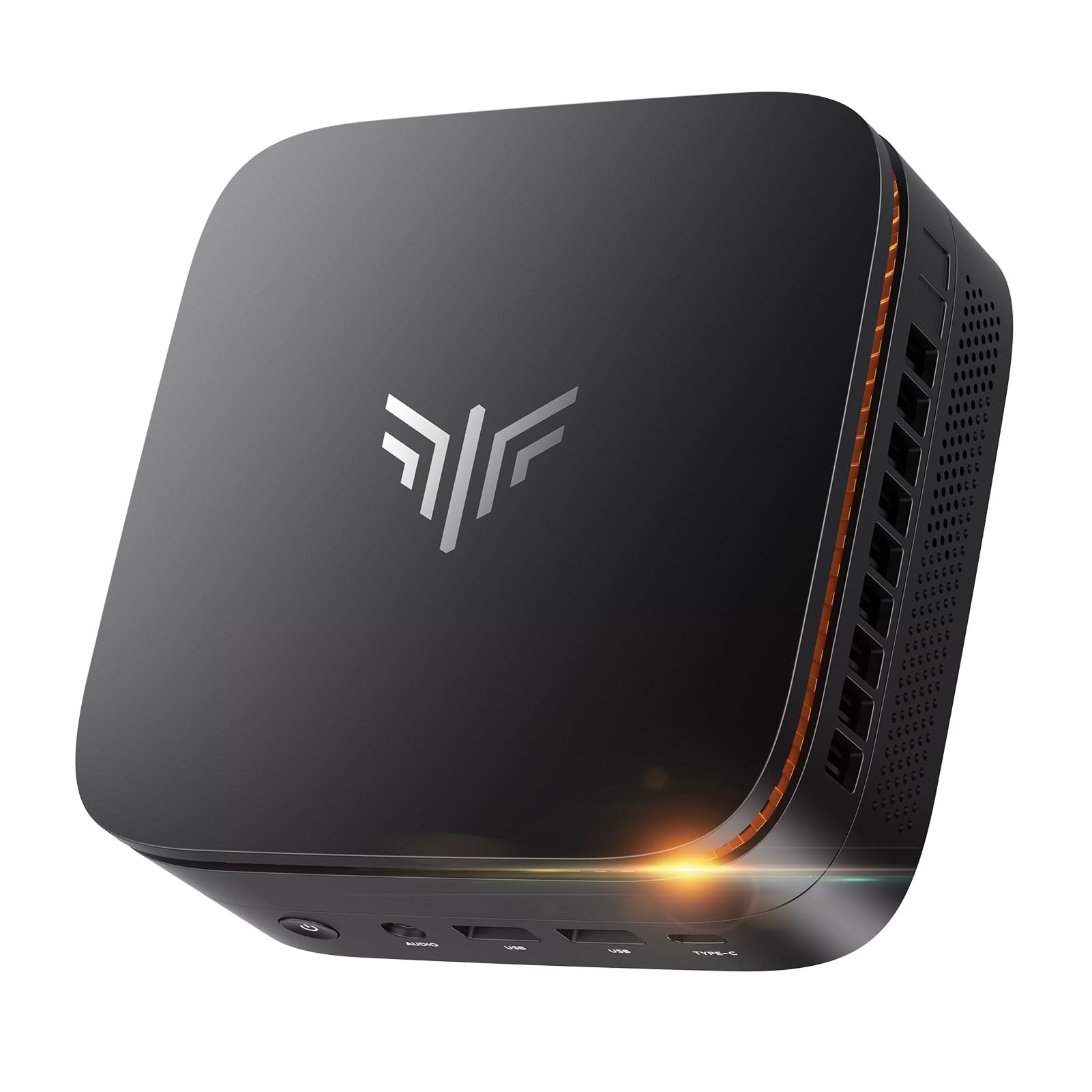 |
AMD Ryzen 4300U (3.7 GHz) | 256 GB SSD | Integrated AMD Radeon Graphics | 28 Watts |
| BOSGAME P4 Ultra Mini PC |
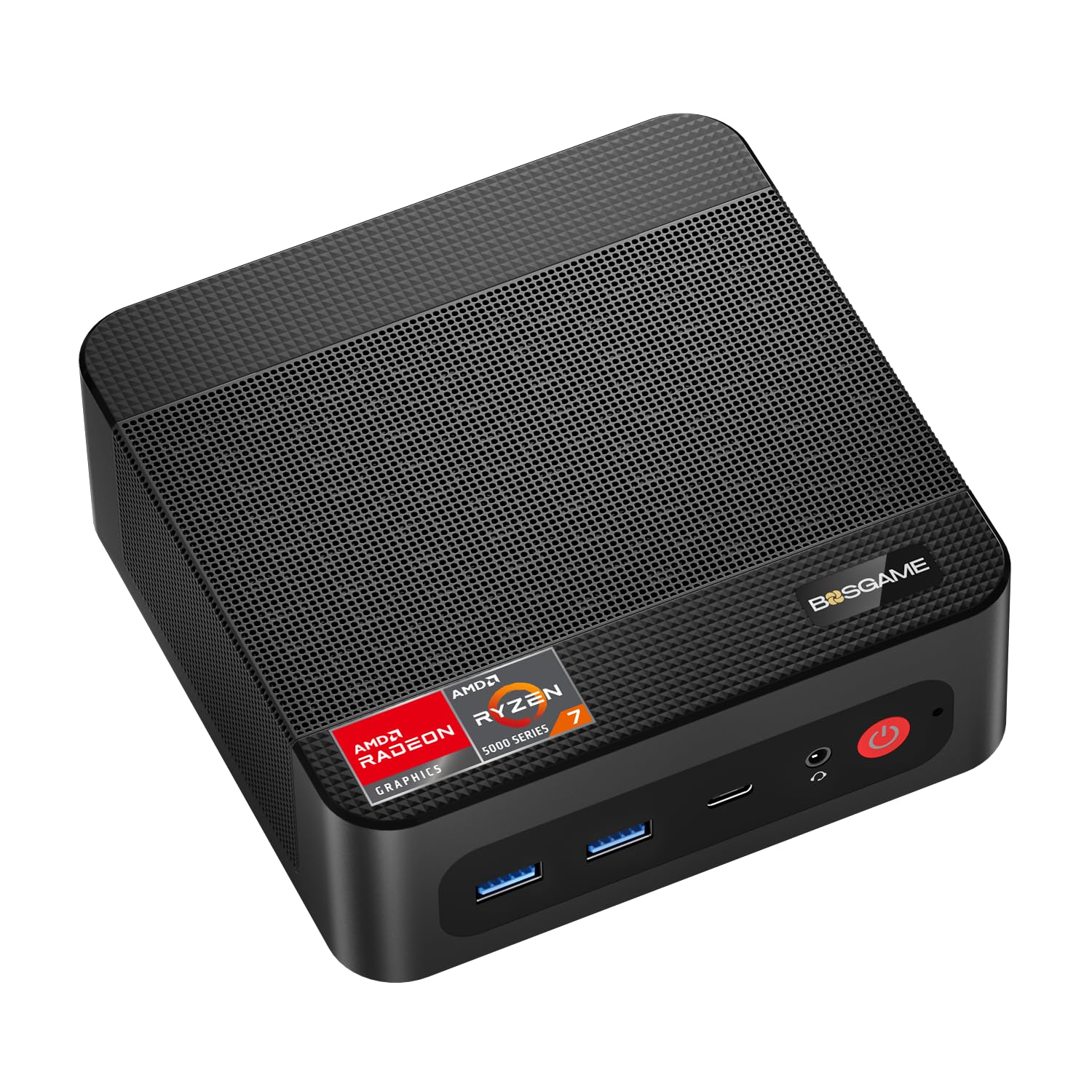 |
AMD Ryzen 7 7730U (2.0 GHz) | 1 TB NVMe SSD | Integrated Radeon Graphics | 25 Watts |
| GEEKOM A5 Mini PC |
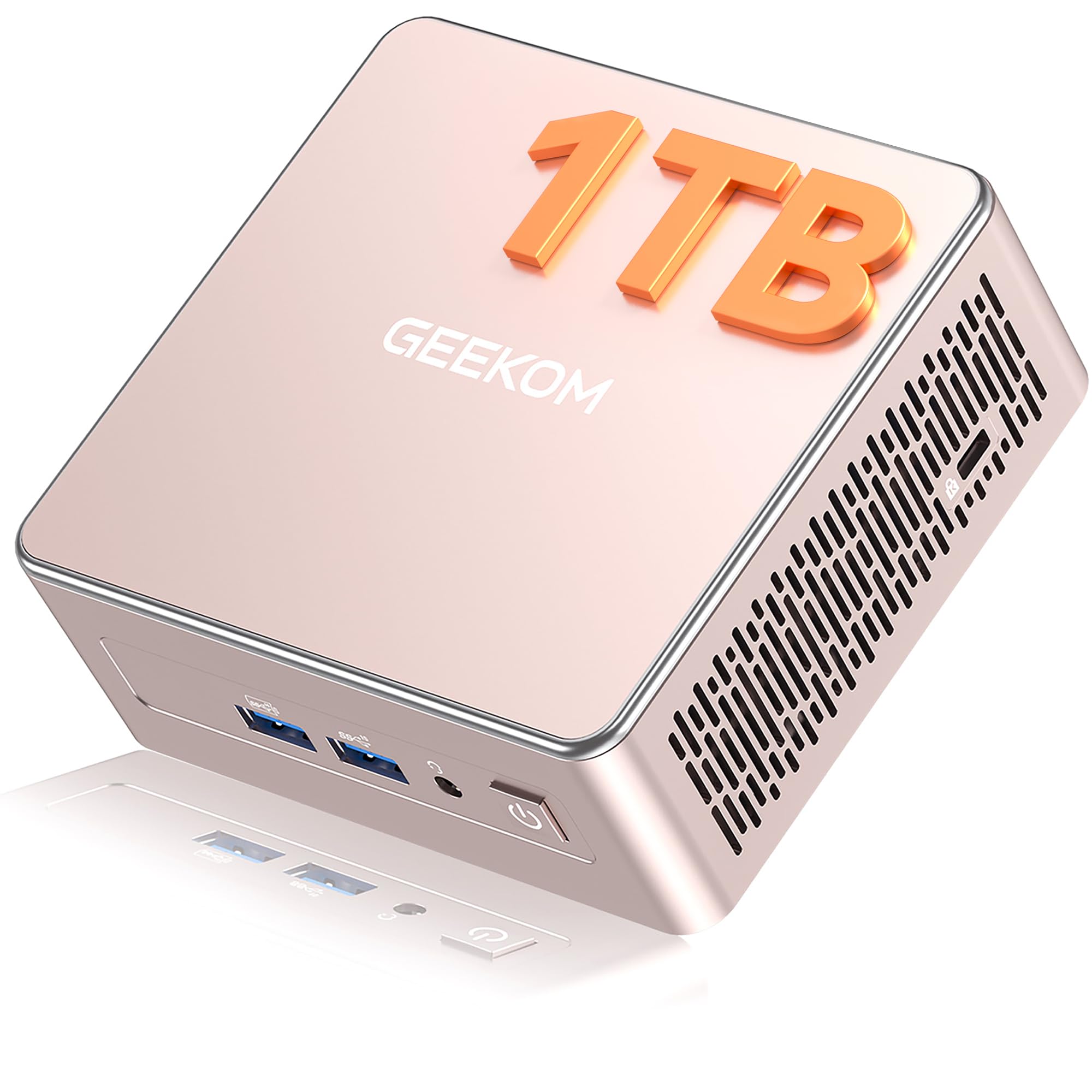 |
AMD Ryzen 5 7430U (4.3 GHz) | 1 TB M.2 NVMe SSD | Integrated AMD Radeon Vega 7 | N/A |
| Beelink Mini S13 Mini PC |
 |
Intel N150 (Up to 3.6 GHz) | 512 GB SSD | Integrated Intel UHD Graphics | N/A |
| MINISFORUM MS-A1 Mini Barebone PC |
 |
No CPU | Upgradable with 4xM.2 NVMe SSD | AMD AM5 Integrated Graphics | N/A |
This Roundup is reader-supported. When you click through links we may earn a referral commission on qualifying purchases.