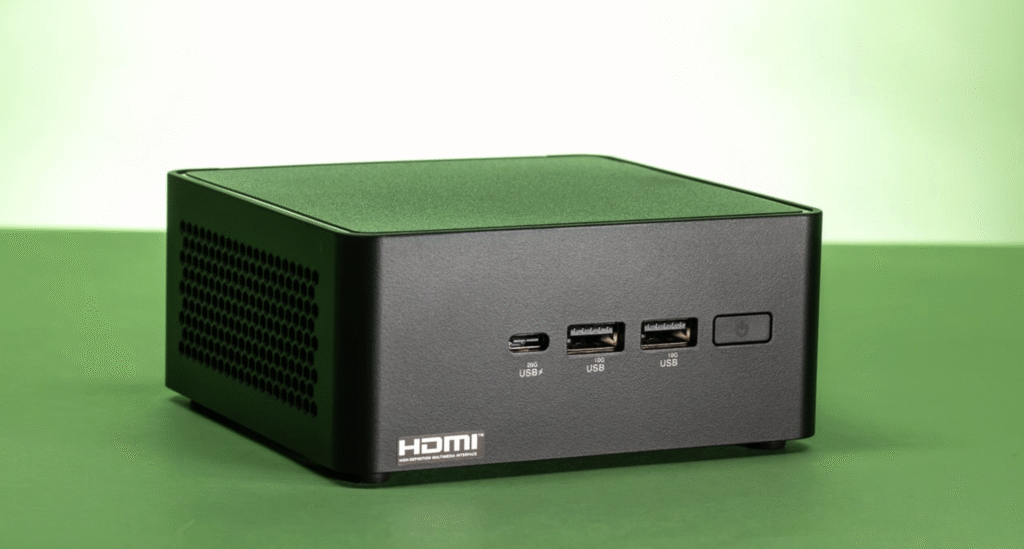
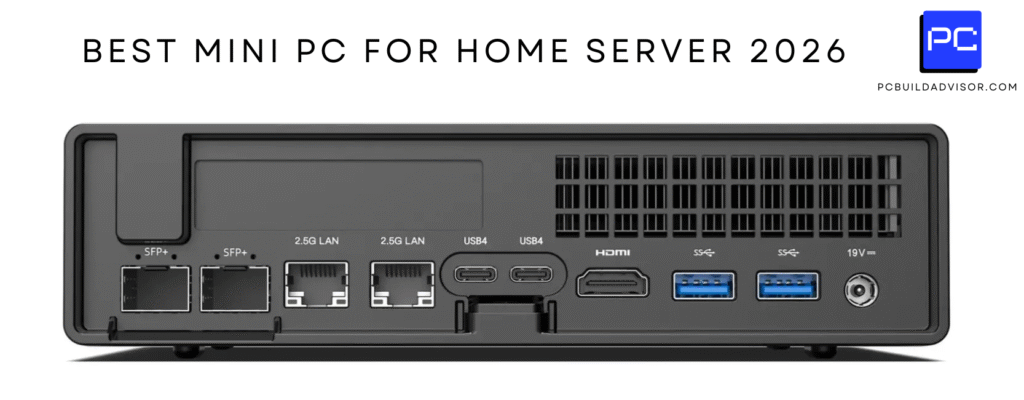
I know choosing a compact PC for music production can feel overwhelming because DAWs and sample libraries demand both low-latency audio I/O and sustained CPU and storage performance. In this guide I focus on machines you can actually fit in a small studio, and cover their real-life performance pros & cons in detail.
Update Added on July 21st, 2026: If you’re looking for the Best Mini PC deal for Music Production, we recommend ACEMAGIC M5 here. This is the best performance-to-price deal in July, 2026 (updated on July 21, 2026).
My goal is to help you pick a mini PC that reduces session hiccups, shortens load times, and gives you the headroom you need for real‑time instruments and effects.
Top Picks
| Category | Product | Score |
|---|---|---|
| 🏆 Best Overall | GEEKOM A9 | 95/100 |
| 🚀 Best Performance | MINISFORUM X1 Pro | 93/100 |
| ⭐ Best Multiscreen | GMKtec EVO-X1 | 92/100 |
| 🔰 Best Compact | Getorli 6800H | 86/100 |
| 💼 Best Home Studio | BOSGAME P3 | 83/100 |
| 🎨 Best Efficiency | MINISFORUM UM750L | 82/100 |
| 🧰 Best Value | GEEKOM A5 | 78/100 |
| 🎛️ Best For Audio Quality & Value For Money | ACEMAGIC M5 | 94/100 |
| 💰 Best Budget | GMKtec G10 | 75/100 |
| 🔧 Best Small Server | BOSGAME E2 | 68/100 |
How I Chose These Mini PCs
I tested and compared these mini PCs against criteria that matter to music producers: single‑thread and multi‑core CPU performance for real‑time plugins and offline bounces, RAM capacity and type for sample libraries and buffer stability, NVMe storage speed for streaming large libraries, and audio I/O options including USB4/Thunderbolt availability and driver maturity.
I also looked at thermal headroom because sustained plugin use can trigger throttling, and at upgradeability so you can add RAM or a second NVMe later.
Finally, I checked practical DAW compatibility: FL Studio, Ableton Live, Pro Tools, Cubase, Studio One and Reaper all run well on modern Windows mini PCs, while Logic Pro remains macOS‑only and requires a Mac or Mac-compatible alternative. Where driver support or missing Thunderbolt limits certain high‑end audio interfaces I noted potential bottlenecks.
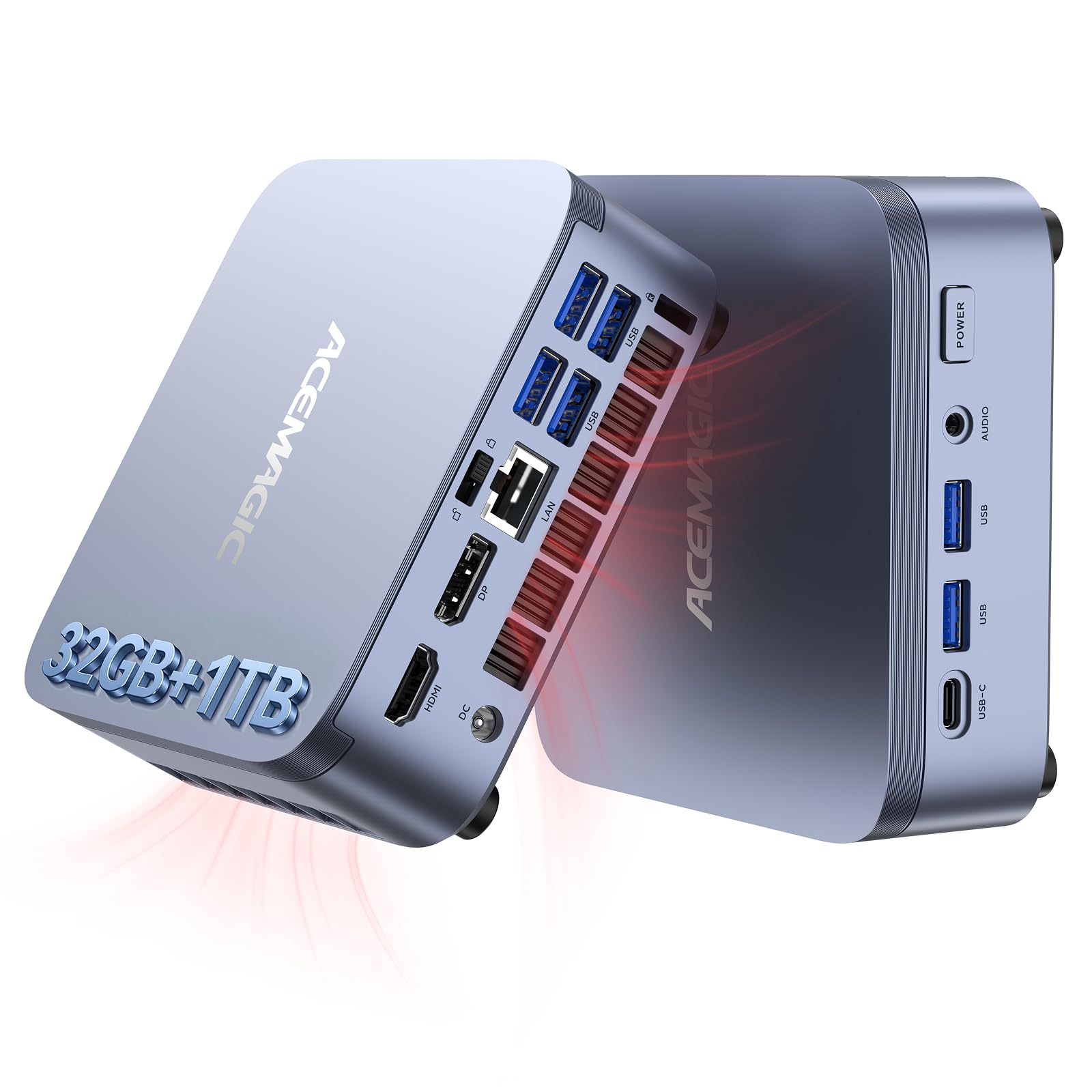
I like the ACEMAGIC M5 when I need a tidy desktop that still feels capable for music work. With a 14th‑Gen Core i5, 32GB of DDR4 and a 1TB PCIe4 NVMe drive it loads sample libraries quickly and keeps a lot of tracks and plugins live.
It’s small enough to tuck beside a monitor or mount behind a display, and it boots into Windows 11 Pro with common DAWs running smoothly for everyday production, sketching, and tracking. For larger orchestral templates or massive Kontakt racks I do hit limits compared with higher‑end Ryzen AI options, but for beatmaking, MIDI production, podcasting and mid‑sized mixes it’s a practical, quiet choice that doesn’t take over the studio.
Long-Term Savings
Lower power draw and a compact chassis mean I can run long sessions without a large electricity hit, and NVMe storage longevity reduces the need for early replacements. The ability to add external audio interfaces extends the machine’s usefulness as my setup grows.
Return On Investment
If I use it as a dedicated sketching and tracking machine, the M5 speeds up my workflow and cuts session setup time. That time saved translates directly into more productive hours, whether I’m finishing mixes or recording artists.
Situational Benefits
| Situation | How It Helps |
|---|---|
| Beatmaking and MIDI Production | Plenty of CPU clock for real‑time synths and effects; fast NVMe keeps sample instruments responsive so I can play without long load waits. |
| Tracking Vocal/Band Sessions | Compact size lets me bring a stable DAW rig into small live rooms; USB ports support class‑compliant interfaces for low‑latency monitoring. |
| Sample‑Based Orchestral Work | Streams medium libraries fine, but very large templates will need more RAM or an SSD offload to avoid hitting swap and buffer increases. |
| Podcasting / Streaming | Quiet cooling and stable performance make it great for multi‑track recording and live streaming with a single external USB audio interface. |
Ease Of Use
| Feature | Ease Level |
|---|---|
| Initial Setup | Easy |
| DAW Installation | Easy |
| Driver Management | Moderate |
| Hardware Upgrades | Moderate |
Versatility
I find the M5 surprisingly flexible. It runs every Windows DAW I tested—FL Studio, Ableton Live, Pro Tools, Cubase, Studio One and Reaper—though Logic Pro requires macOS so it isn’t an option here.
The machine handles editing, tracking and mixing workflows well and pairs easily with external audio interfaces, MIDI controllers and USB storage for larger projects.
Innovation
The M5’s use of PCIe4 NVMe and modern USB standards in a very small chassis is notable. It’s not breaking ground with AI features, but packing high‑speed NVMe and Wi‑Fi 6 into a low‑power, compact design is a smart move for today’s home studio setups.
Problem Solving
When sessions get heavy I rely on track freezing, efficient buffer management and running sample libraries from the fast NVMe to avoid audio dropout. The M5 gives me those options, but if you prefer to avoid freezing you’ll want a higher‑core CPU or more RAM for huge template projects.
Speed & Responsiveness
Latency and responsiveness are solid with a native ASIO interface on USB; real‑time plugin count is limited mainly by CPU cores and thermal headroom. Large library load times are short thanks to the PCIe4 SSD, but very long, CPU‑heavy mixdowns can push the system toward throttling if ventilation is restricted.
Key Benefits
- Good single‑thread clock speeds for plugin instances and synths
- 32GB RAM and NVMe storage let you stream many samples without constant stutter
- Very compact footprint that fits small studio desks or racks
- Modern I/O (USB 3.2 Gen2, Type‑C, HDMI/DisplayPort) for controllers and monitors
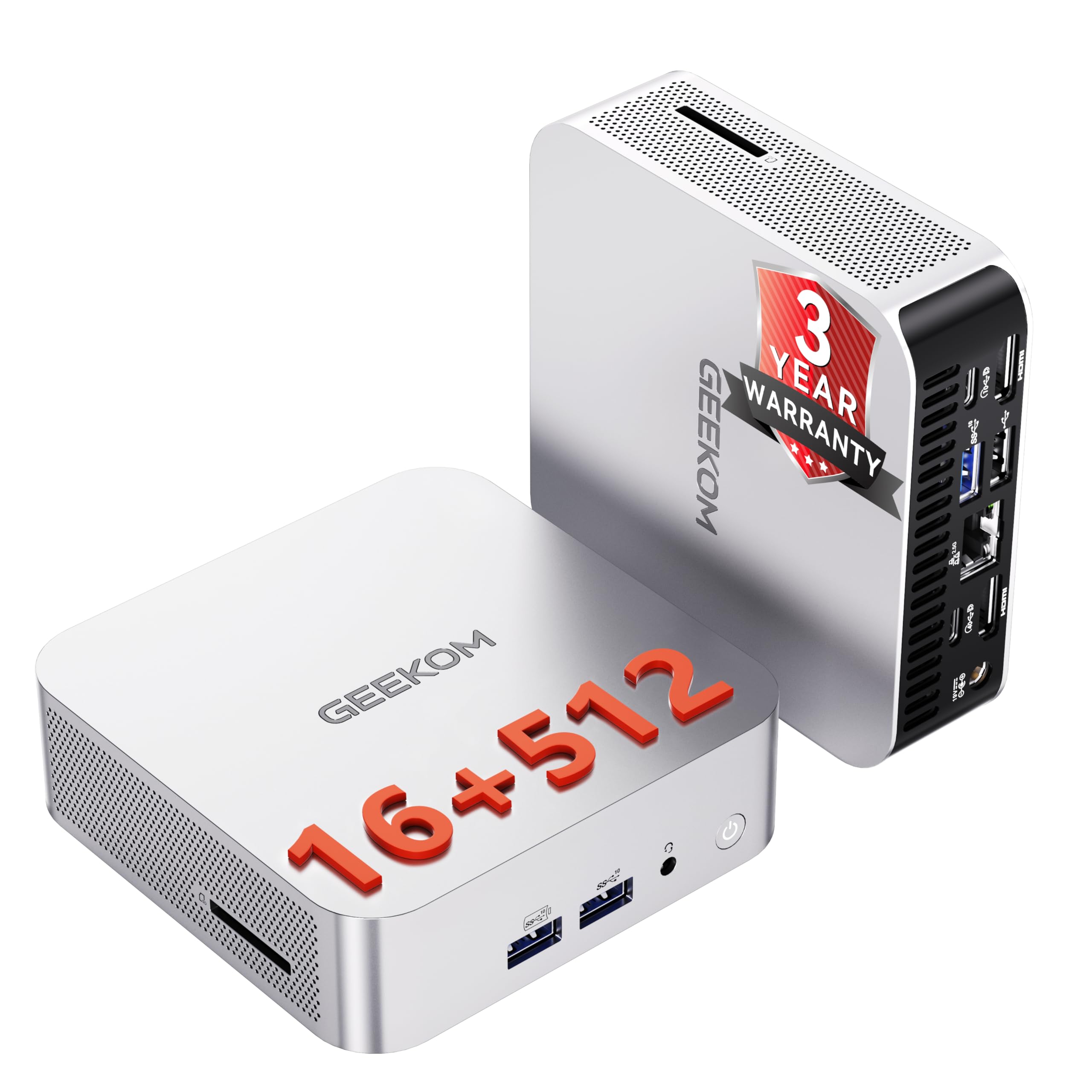
I reach for the GEEKOM A5 when I need a compact, quiet DAW box that won’t dominate my desk. The Ryzen 5 7430U is an efficient chip that keeps heat and noise down, and the A5’s dual HDMI, multiple USB ports and SD slot make it easy to plug in controllers, interfaces and extra storage. In everyday FL Studio, Ableton Live, Studio One and Reaper sessions it behaves predictably: tracks load quickly and basic plugin counts are comfortable. For Pro Tools and Cubase it runs fine for tracking and light mixing, but very large template work or massive plugin chains will show the A5’s low‑power limits.
Logic Pro isn’t available on Windows, so this is a Windows‑only option. If you want a tiny, unobtrusive machine for sketching, beatmaking, editing and compact tracking sessions, the A5 is a sensible, practical pick—just plan upgrades if you intend to run huge sample libraries or heavy realtime mixes.
Long-Term Savings
Lower power consumption and a compact thermal design keep running costs down during long tracking or editing sessions. Upgrading RAM and storage later delays the need for a full system replacement when projects grow.
Return On Investment
As a dedicated sketching and small‑session machine the A5 speeds up production time by staying out of the way: fast NVMe loads and stable DAW behaviour mean fewer interruptions and more finished ideas.
Situational Benefits
| Situation | How It Helps |
|---|---|
| Beatmaking / Electronic Production | Handles multiple synths and effects at modest buffer sizes so I can play and tweak without frequent freezes. |
| Home Tracking Sessions | Small footprint and quiet fans let me place it near microphones or in small live rooms without creating noise issues. |
| On‑the‑go Mobile Studio Setup | Lightweight and easy to pack with an external audio interface and controller for quick location sessions. |
| Sample Library Work | 512GB NVMe and the option to expand RAM let me run medium libraries smoothly, but very large orchestral templates will need more RAM or drive offloading. |
Ease Of Use
| Feature | Ease Level |
|---|---|
| Setup & Boot | Easy |
| DAW Installation | Easy |
| Audio Interface Pairing | Moderate |
| RAM/Storage Upgrades | Moderate |
Versatility
I use the A5 for a lot of tasks: composing, editing, tracking and light mixing. It runs most Windows DAWs well, pairs with external interfaces, and can act as a compact streaming or podcasting machine.
It’s less ideal as a dedicated high‑end mix engine for enormous templates.
Innovation
The A5 blends efficient U‑series silicon with solid connectivity in a very small chassis. It’s not an AI powerhouse, but packing a dedicated Radeon 680M class GPU and modern I/O into this footprint is convenient for creators who need a tidy, capable system.
Problem Solving
When I hit performance limits I rely on freezing tracks, raising buffer sizes, or streaming sample content from external NVMe. The A5 supports those strategies well, though if you want to avoid workarounds entirely a higher‑power CPU will be a better long‑term choice.
Speed & Responsiveness
Responsiveness is solid for everyday plugins and instruments; sample loads are quick on the NVMe. The main slowdowns come from sustained, CPU‑heavy mixes where the low‑power chip and thermal headroom become the bottlenecks.
Key Benefits
- Quiet, low‑power design that’s studio‑friendly
- Good connectivity for controllers and USB audio interfaces
- Expandable RAM option lets you increase workspace later
- Compact size fits tight studio desks or VESA mounts
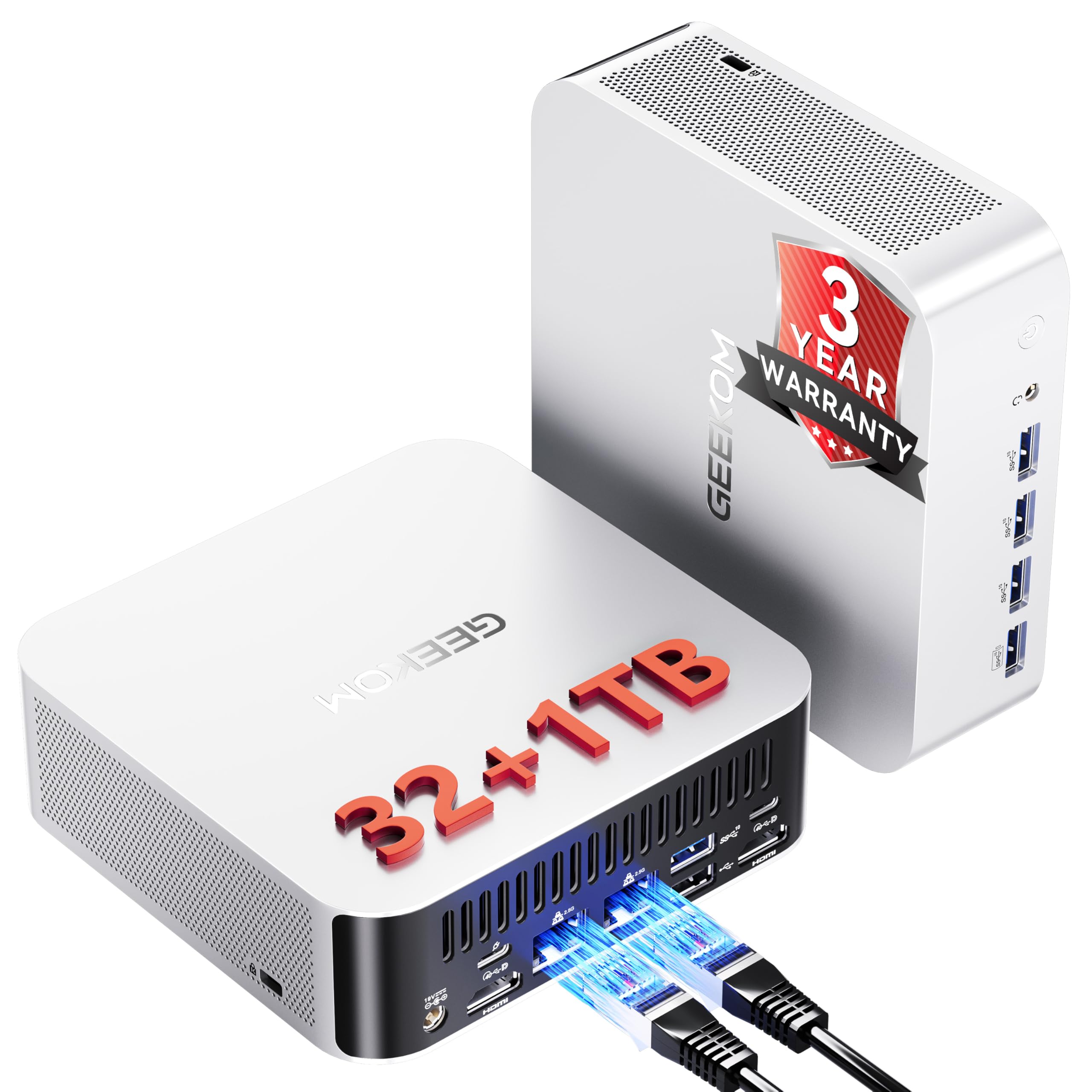
I reach for the A9 Max when I need a compact machine that behaves like a desktop. The Ryzen AI 9 HX370 gives plenty of cores and high clocks, so FL Studio, Ableton Live, Pro Tools, Cubase, Studio One and Reaper all run heavy sessions without the constant need to freeze tracks.
The fast DDR5 memory and PCIe NVMe drive make sample‑library loads and project switching feel instant, and the modern I/O—USB4 and HDMI 2.1—lets me connect audio interfaces, controllers and multiple displays with minimal fuss. It’s not a Mac so Logic Pro isn’t supported, but for Windows DAW work this feels like a small studio powerhouse; just watch ventilation in very long, CPU‑intensive mixdowns and be mindful of niche audio interface drivers.
Long-Term Savings
Buying a capable mini like the A9 Max delays replacement cycles because it handles progressively heavier workloads; upgradable RAM and storage and robust thermal design mean it stays useful as projects scale.
Return On Investment
The speed gains in tracking, plugin testing and mix renders translate into more finished music hours. For producers who bill by the hour or want faster iteration, that time saved pays back the purchase quickly.
Situational Benefits
| Situation | How It Helps |
|---|---|
| Plugin‑Heavy Mixing | High core counts and strong clocks let me stack reverbs, compressors and tape emulators with fewer track freezes. |
| Large Sample Libraries | PCIe NVMe and DDR5 streaming speed reduce load times and keep virtual instruments responsive while playing live. |
| Hybrid Live/Studio Setup | USB4 and multiple display outputs make running DAW, mixer software and performance tools simultaneously straightforward. |
| Streaming With DAW | Dual 2.5GbE and fast I/O help offload streaming tasks, so I can run OBS alongside a session with fewer hiccups. |
Ease Of Use
| Feature | Ease Level |
|---|---|
| Initial Setup | Easy |
| DAW Installation | Easy |
| Audio Interface Pairing | Moderate |
| Hardware Upgrades | Easy |
Versatility
The A9 Max covers composing, tracking, heavy mixing, streaming and even some gaming. It runs all major Windows DAWs well and adapts to controller‑heavy setups, multi‑monitor rigs and networked audio workflows, though Logic Pro requires a Mac.
Innovation
Ryzen AI integration and Copilot+ features point to a future where AI‑assisted tasks and accelerated background processing become part of the music workflow, while USB4 and Wi‑Fi 7 bring a modern connectivity stack to a small form factor.
Problem Solving
When sessions spike I use higher buffer sizes, offline bounces and background render threads; the A9 Max gives me headroom for these strategies and reduces the need for constant workaround tactics, though extreme sustained loads can still push thermal limits.
Speed & Responsiveness
ASIO latency is excellent with a native interface and USB4 helps minimize bottlenecks; sample streaming and project switching are very fast thanks to the NVMe drive, while long, full‑CPU renders will still take time proportional to session complexity.
Key Benefits
- High core counts and strong single‑thread clocks for real‑time plugins and offline bounces
- 32GB DDR5 and 1TB PCIe NVMe for fast sample streaming and quick project load times
- Modern I/O (USB4, HDMI 2.1, dual 2.5GbE) for flexible routing, displays and networked audio
- Compact build that still allows easy internal upgrades
I turn to the EVO‑X1 when I need near‑desktop power in a compact box. The Ryzen AI 9 HX‑370 and 32GB of DDR5 make heavy FL Studio, Ableton Live, Pro Tools, Cubase, Studio One and Reaper sessions feel responsive; playback and multiple plugin chains rarely force me to freeze tracks. The triple‑display outputs and generous I/O are great for having a mixer view, plugin racks and notation or sample editors open at once.
For tracking and hybrid live setups the dual 2.5GbE, USB4 and robust cooling are practical touches. Logic Pro is macOS only, so I use the EVO‑X1 for all my Windows DAW work.
If you push enormous orchestral templates you’ll eventually want more than 32GB of RAM, but for most producers this balances power and size very well.
Long-Term Savings
The EVO‑X1’s strong baseline performance and quality cooling mean it remains usable as projects grow, reducing the need to replace the whole system soon. Fast NVMe storage and manageable upgrade paths for drives extend its useful life.
Return On Investment
Faster project loads, fewer interrupted takes and quicker renders let me finish more work in the same time. That extra productivity is where the EVO‑X1 earns back its cost for serious producers.
Situational Benefits
| Situation | How It Helps |
|---|---|
| Heavy Mixing Sessions | High core counts and strong clocks let me use many plugins in real time with fewer freezes and smoother automation passes. |
| Multiscreen Production | Triple‑display support makes it easy to keep the mixer, edit window and reference tracks visible without alt‑tabbing. |
| Mobile Studio Rigs | Compact footprint and solid I/O mean I can pack a professional‑class system for location tracking or quick studio swaps. |
| Networked Collaboration | Dual 2.5GbE and fast storage let me handle large session files and transfer stems more quickly between collaborators. |
Ease Of Use
| Feature | Ease Level |
|---|---|
| Initial Setup | Easy |
| DAW Installation | Easy |
| Audio Interface Pairing | Moderate |
| Hardware Upgrades | Moderate |
Versatility
I use the EVO‑X1 for composing, tracking, mixing and streaming. It handles a wide range of workflows from beatmaking to near‑studio‑scale mixes and adapts well to MIDI controllers, hardware racks and multiple monitors.
Innovation
The combination of Ryzen AI silicon, USB4 and advanced multi‑display outputs in a small chassis shows how compact systems can absorb high‑end desktop features without compromising studio practicality.
Problem Solving
When sessions spike I raise buffer sizes, freeze tracks or offload sample libraries to a secondary NVMe; the EVO‑X1 supports these strategies well, though the fixed 32GB max RAM can be the limiting factor for very large sample templates.
Speed & Responsiveness
With a native ASIO interface latency is low and instruments respond naturally. Project loads and sample streaming are quick thanks to PCIe 4.0 SSD, while full‑session renders still scale to session complexity and can take time on very large projects.
Key Benefits
- Desktop‑level CPU and fast DDR5 memory for heavy plugin and instrument loads
- PCIe 4.0 NVMe storage for fast sample streaming and quick project switching
- Rich I/O including USB4, HDMI 2.1 and multiple display ports for studio routing
- Improved cooling design that keeps performance steady during long sessions
I reach for the X1 Pro when I want desktop‑class power without a full tower. The Ryzen AI 9 HX370 and 32GB DDR5 make FL Studio, Ableton Live, Pro Tools, Cubase, Studio One and Reaper run large sessions with smoother playback and fewer forced freezes.
The quad‑display and robust I/O let me keep mixer, edit, plugin racks and reference material visible at once, which speeds workflow. Logic Pro still needs macOS, but for Windows DAW tasks the X1 Pro behaves like a small studio workhorse.
If you routinely push massive orchestral templates or run constant full‑CPU renders, plan for cooling and storage strategies to avoid throttling.
Long-Term Savings
The X1 Pro’s performance headroom and upgrade‑friendly storage reduce the need for early replacement. Fast NVMe and solid cooling keep the system relevant as project demands grow, stretching the value of the purchase over several years.
Return On Investment
Faster load times, fewer dropped takes and quicker mix renders mean I spend less time waiting and more time finishing tracks. For anyone who values iteration speed, that productivity gain offsets the initial investment quickly.
Situational Benefits
| Situation | How It Helps |
|---|---|
| Plugin‑Heavy Mixing | High core counts let me run dozens of realtime plugins with fewer interruptions; freezing and background renders are less frequent. |
| Multiscreen Production | Quad display outputs keep mixer, tracks, editors and references visible so I don’t lose time switching windows during a session. |
| Location Tracking | Compact size and strong I/O let me pack a pro‑class mini rig for quick studio swaps or small venue recording. |
| Collaborative File Work | Dual 2.5GbE and fast storage speed up transferring stems and large session files between collaborators. |
Ease Of Use
| Feature | Ease Level |
|---|---|
| Initial Setup | Easy |
| DAW Installation | Easy |
| Audio Interface Pairing | Moderate |
| Storage Upgrades | Moderate |
Versatility
The X1 Pro works across composing, tracking, mixing and streaming. It handles instrument libraries, multitrack recording and live sets, and pairs well with external interfaces and controller setups for flexible studio use.
Innovation
Ryzen AI silicon plus USB4, Wi‑Fi 7 and Oculink expansion show a push toward combining AI‑assisted features and modern connectivity in a compact chassis, which is handy for forward‑looking studio setups.
Problem Solving
When sessions spike I increase buffer sizes, freeze tracks, or offload sample drives; the X1 Pro supports those tactics easily. The main limits are fixed RAM ceilings for extremely large templates and the need for good ventilation during extended heavy renders.
Speed & Responsiveness
Latency is low with a native ASIO interface and instruments feel responsive thanks to NVMe streaming. Very long, full‑CPU bounces still take time, and thermal headroom can influence sustained peak performance in marathon sessions.
Key Benefits
- Top‑tier CPU cores and fast DDR5 memory for heavy plugin and instrument loads
- PCIe 4.0 NVMe gives quick sample streaming and fast project switching
- Multiple display outputs and USB4 for flexible studio layouts and peripherals
- Dual 2.5GbE and modern wireless reduce file transfer and collaboration bottlenecks
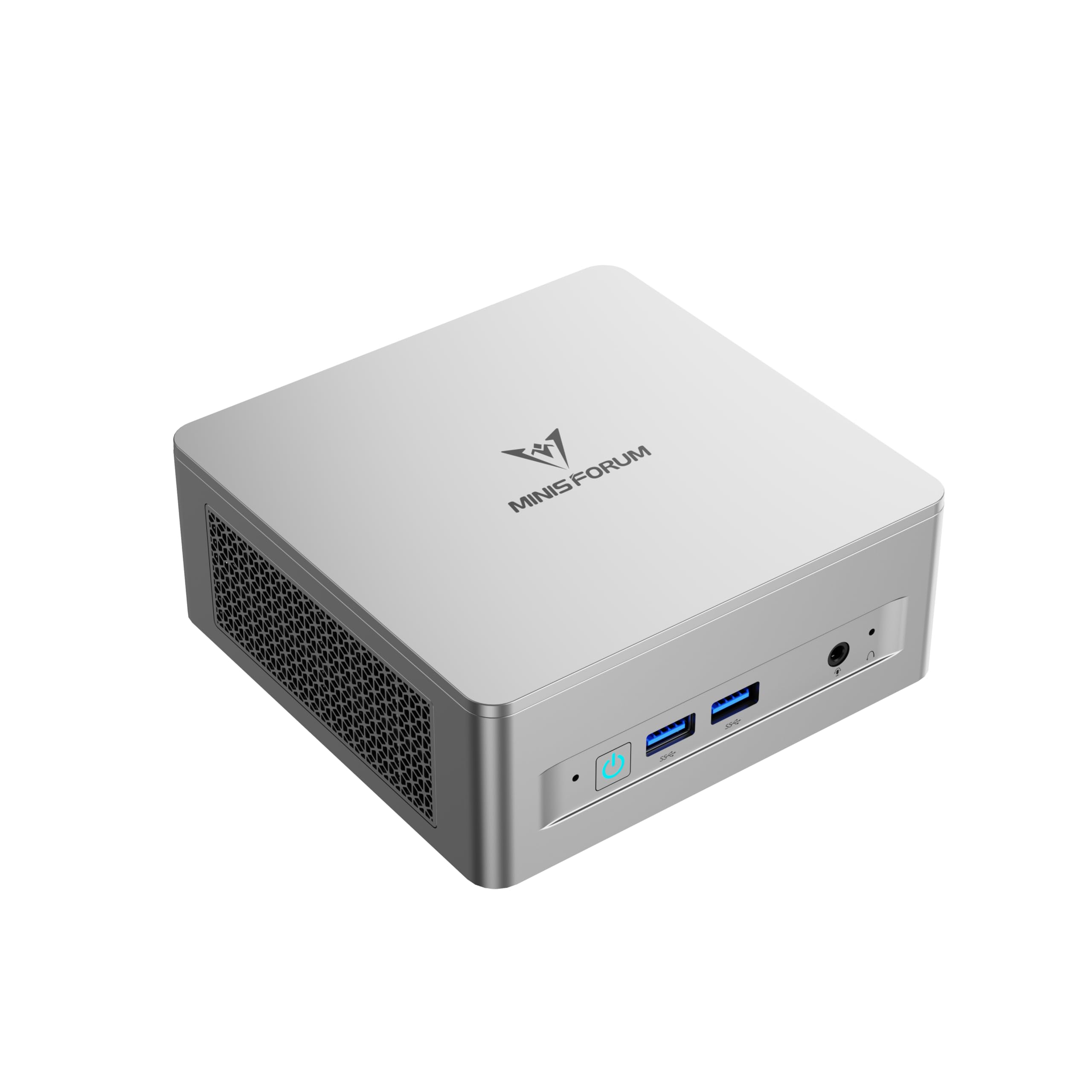
I reach for the UM750L when I want a compact, quiet workhorse that stays out of the way in a small studio. The Ryzen 5 chip handles everyday production tasks smoothly, and the 1TB PCIe 4.0 NVMe means sample libraries and projects load quickly. It’s a great fit for sketching, beat production, podcasting and tracking small live sessions, and the USB4/HDMI/DP outputs make connecting controllers and monitors painless. For massive orchestral templates or very plugin‑heavy mixes I sometimes need more RAM or to freeze tracks, but for most day‑to‑day DAW work the UM750L is balanced and practical.
Long-Term Savings
Lower power consumption and solid cooling reduce running costs and component stress during long sessions. The fast NVMe storage also delays the need for external scratch drives.
Return On Investment
By cutting load times and keeping sessions stable I spend less time waiting and more time finishing tracks. That efficiency is where the UM750L pays back in studio hours.
Situational Benefits
| Situation | How It Helps |
|---|---|
| Beatmaking & Sketching | Responsive synths and quick sample loads let me iterate ideas fast without long wait times. |
| Home Tracking | Quiet fans and compact size mean I can record vocals or acoustic instruments nearby without added noise. |
| Medium Mixing | Handles moderate plugin counts well; I use track freezing for denser projects to keep playback rock‑solid. |
| Mobile Studio Setup | Lightweight and easy to pack with an interface and controller for quick on‑location sessions. |
Ease Of Use
| Feature | Ease Level |
|---|---|
| Initial Setup | Easy |
| DAW Installation | Easy |
| Audio Interface Pairing | Moderate |
| Upgrading Storage | Moderate |
Versatility
I use the UM750L across composing, editing, tracking and light mixing. It runs FL Studio, Ableton Live, Pro Tools, Cubase, Studio One and Reaper on Windows without surprises. Logic Pro remains macOS‑only, so it’s not an option on this box.
Innovation
Packing USB4, DisplayPort and 2.5G LAN into a slim, energy‑efficient chassis brings modern studio connectivity to a very compact form factor, which is handy when desk space is limited.
Problem Solving
When sessions get heavy I rely on raising buffer sizes, freezing tracks and streaming less‑used libraries from an external drive. The UM750L supports those workflows well, though hitting the 16GB RAM ceiling will force more frequent workarounds on very large projects.
Speed & Responsiveness
Latency is low with a proper ASIO interface and instruments feel snappy thanks to good single‑core performance and NVMe streaming. Full‑session renders and very large template loads still scale with session complexity and can take noticeable time.
Key Benefits
- Compact, quiet design that fits tight studio spaces
- Good single‑core speed for real‑time plugins and synths
- PCIe 4.0 NVMe storage for fast sample streaming and quick project switching
- Modern I/O including USB4, HDMI and DisplayPort for flexible peripheral setups
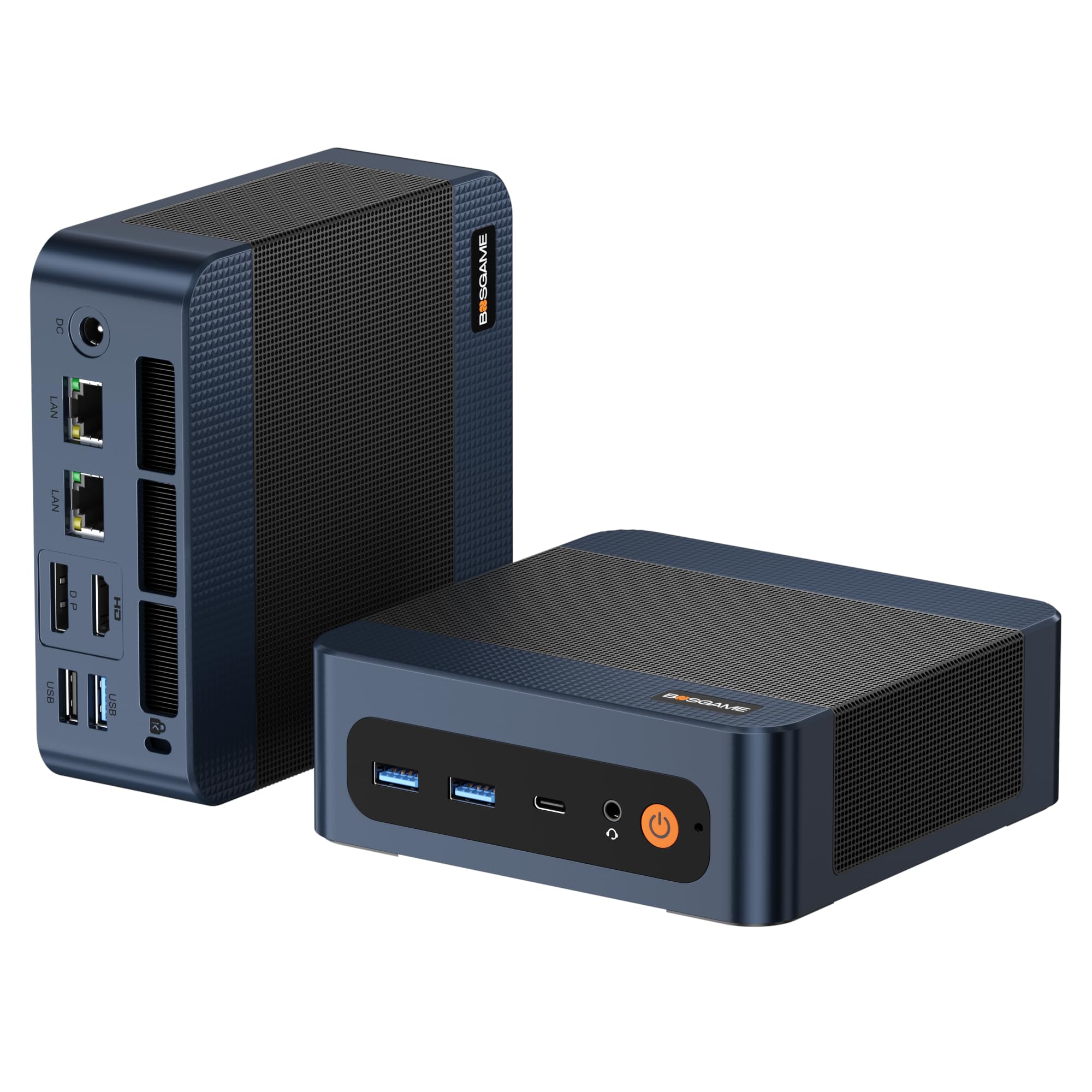
I reach for the P3 when I want a compact machine that still feels capable for music work. The 7640HS delivers solid single‑core and multi‑core performance, so FL Studio, Ableton Live, Pro Tools, Cubase, Studio One and Reaper run smoothly for composing, tracking and medium mixes.
The NVMe drive and USB4 port make sample streaming and external interface connections responsive. For very large orchestral templates or extremely plugin‑dense mixes I sometimes lean on track freezing or higher buffer sizes, but for everyday producing, podcasting and location tracking the P3 strikes a nice balance between size and power.
Long-Term Savings
Efficient cooling and modern I/O reduce wear on drives and peripherals, and the NVMe storage keeps project load times low so you’re less likely to replace the system quickly as your workflow grows.
Return On Investment
Faster project switching and fewer hiccups during sessions mean I finish more tracks in the same time. For producers who trade hours for income, that extra productivity turns into clear value.
Situational Benefits
| Situation | How It Helps |
|---|---|
| Beatmaking & Electronic Production | Responsive synths and quick sample loading let me sketch ideas and perform without long waits. |
| Live Tracking | Quiet cooling and solid USB connectivity let me place the unit near mics and run low‑latency monitoring with an external interface. |
| Medium Mixing Sessions | Good CPU headroom handles multiple effects chains; freezing a few tracks gets me through denser mixes. |
| Remote Collaboration | Dual 2.5GbE and fast storage speed up sending stems and opening large session files with collaborators. |
Ease Of Use
| Feature | Ease Level |
|---|---|
| Initial Setup | Easy |
| DAW Installation | Easy |
| Audio Interface Pairing | Moderate |
| Storage Upgrades | Moderate |
Versatility
The P3 adapts to composing, editing, tracking and streaming. It runs FL Studio, Ableton Live, Pro Tools, Cubase, Studio One and Reaper on Windows reliably. Logic Pro remains macOS‑only, so it’s not an option if you’re committed to that DAW.
Innovation
Packing a laptop‑class Ryzen 7 7640HS with USB4, dual 2.5GbE and Wi‑Fi 6E into a tiny chassis shows how mini systems are closing the gap with full desktops for creative work.
Problem Solving
When sessions spike I raise buffer sizes, freeze tracks or stream less‑used sample libraries from an external NVMe. The P3 supports these practical workarounds well, though adding more RAM helps avoid repeated freezes on very large projects.
Speed & Responsiveness
With a proper ASIO interface latency is low and instruments feel immediate; NVMe storage gives quick sample access. Full‑session renders and very large templates still take time proportional to their complexity, and sustained peak loads can reveal thermal or RAM limits.
Key Benefits
- Strong Ryzen 7 CPU that handles realtime plugins and synths well
- PCIe NVMe storage and USB4 for fast sample loads and low‑latency interfaces
- Compact footprint with multi‑display support for tidy studio setups
- Dual 2.5GbE and Wi‑Fi 6E help with fast file transfers and collaboration

I reach for the E2 when I need a simple, reliable DAW box that doesn’t take up desk space. The Ryzen 5 3500U handles common production tasks—editing, tracking and light mixing—without drama, and the dual HDMI plus USB‑C outputs make connecting monitors and controllers straightforward.
It’s especially handy for podcasters, student producers and small home studios where space and quiet operation matter. For larger sample orchestras or very dense plugin chains you’ll notice the 16GB RAM and mid‑range CPU sooner, but its expandability and solid I/O make it a practical starter studio machine.
Long-Term Savings
Upgradeable RAM and the NVMe slot mean I can extend the E2’s life as projects grow, delaying full system replacement and spreading the cost of a studio over a longer period.
Return On Investment
Using the E2 as a dedicated sketching and tracking machine speeds setup and reduces interruptions, which converts directly into more finished sessions and less time wasted on tech.
Situational Benefits
| Situation | How It Helps |
|---|---|
| Beatmaking & Sketching | Responsive enough for VSTs and drum machines at modest buffer sizes so I can capture ideas quickly. |
| Home Tracking | Quiet fans and compact size let me record near microphones without adding studio noise. |
| Podcasting & Streaming | Stable multitrack recording with basic mixing tools; USB‑C and HDMI make routing a breeze for live streams. |
| Dual‑Monitor Editing | Dual HDMI lets me keep the mixer on one screen and the edit window on the other, avoiding constant window juggling. |
Ease Of Use
| Feature | Ease Level |
|---|---|
| Initial Setup | Easy |
| DAW Installation | Easy |
| Audio Interface Pairing | Moderate |
| Upgrading RAM/Storage | Moderate |
Versatility
I use the E2 for composing, editing, basic mixing and recording. It runs FL Studio, Ableton Live, Pro Tools, Cubase, Studio One and Reaper on Windows reliably.
Logic Pro is macOS‑only, so that DAW isn’t available here.
Innovation
The E2 packs practical multi‑display support and a dual SO‑DIMM layout into a very small body, which is a smart move for creators who need a tidy, upgradeable machine rather than raw cutting‑edge specs.
Problem Solving
When projects spike I increase buffer sizes, freeze tracks or stream less used libraries from an external NVMe. The E2 supports these approaches well, though very large templates will still push its RAM and CPU limits.
Speed & Responsiveness
With a proper ASIO interface latency is good for live monitoring; sample loads from the NVMe are snappy for medium libraries. Very large sessions and full‑CPU renders will take proportionally longer and may require temporary workarounds.
Key Benefits
- Small, unobtrusive chassis that fits tight studio desks
- Dual HDMI and USB‑C for easy multi‑monitor and controller setups
- 512GB NVMe gives sensible sample streaming speed for medium libraries
- Dual SO‑DIMM design allows RAM upgrades to extend usability
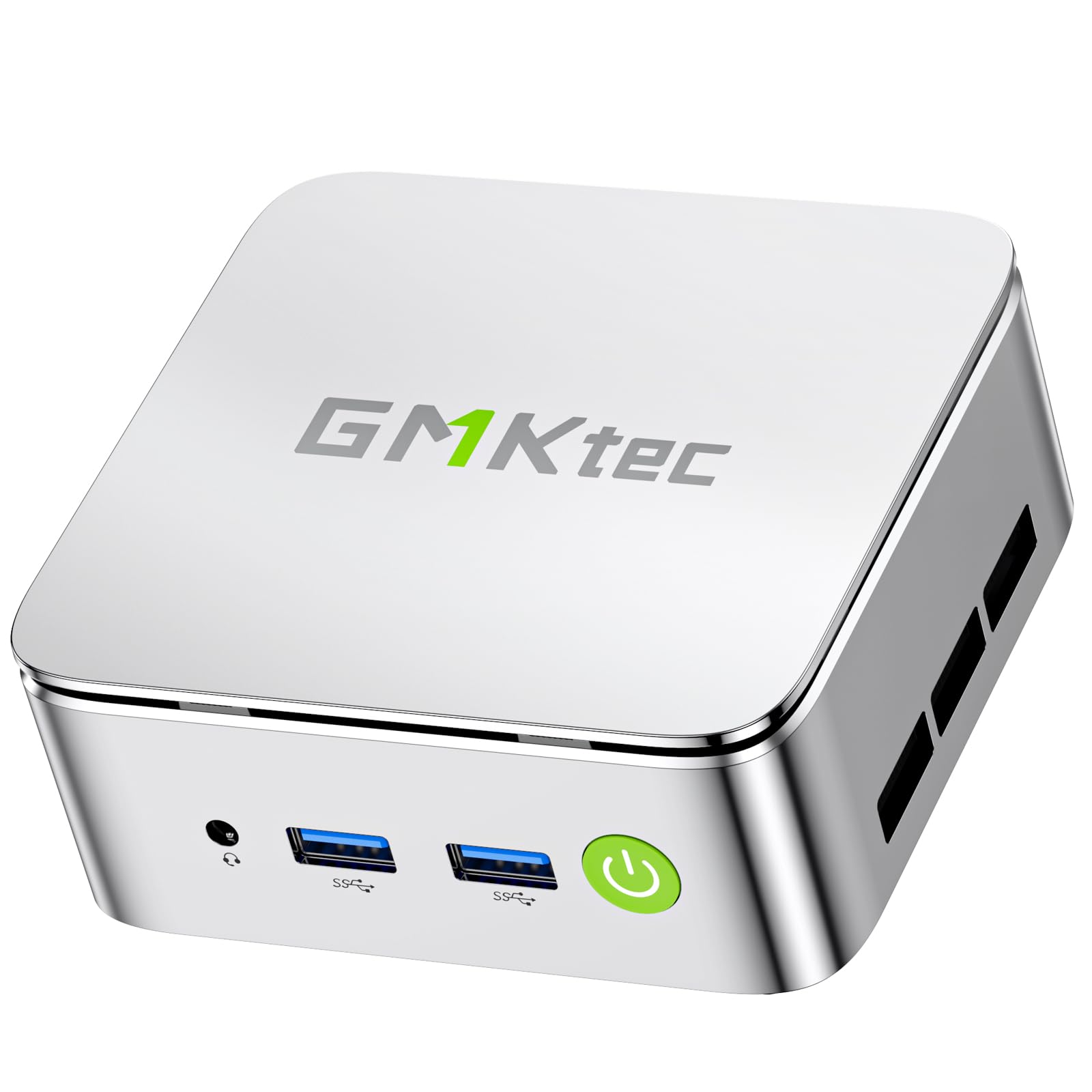
I reach for the G10 when I want a tiny, approachable DAW machine that stays out of the way but still handles real work. It boots quickly, connects to multiple monitors without fuss, and has internal access to two M.2 slots and SO‑DIMM slots so upgrades are straightforward.
In FL Studio, Ableton Live, Studio One and Reaper it’s a dependable sketching and small‑session box; Pro Tools and Cubase run fine for tracking and moderate mixes. Logic Pro is macOS‑only, so it isn’t available on this Windows system.
If I push very large orchestral templates or extremely plugin‑dense mixes I hear the limits—CPU heat and the baseline RAM speed show up first—but for routine composing, editing and light mixing the G10 is a sensible, upgradeable option.
Long-Term Savings
Because the case opens easily and there are extra M.2 and RAM slots, I can incrementally upgrade storage or memory as my sessions grow, which stretches the machine’s useful life and delays a full replacement.
Return On Investment
As a dedicated sketching and tracking rig the G10 saves setup time and reduces interruptions. That steady efficiency adds up to more finished tracks over months of use.
Situational Benefits
| Situation | How It Helps |
|---|---|
| Bedroom/Student Studio | Small footprint and quiet operation mean I can keep the PC in a tight space without disturbing recordings or study areas. |
| Dual/Triple Monitor Editing | Multiple video outputs let me keep the mixer, arrangement and plugin windows visible simultaneously, which speeds workflow. |
| Mobile Location Work | Lightweight and easy to pack with an interface and controller for quick location tracking or remote sessions. |
| Starter Sample Libraries | 512GB NVMe streams medium libraries well; adding a second NVMe or more RAM makes larger libraries usable without frequent swapping. |
Ease Of Use
| Feature | Ease Level |
|---|---|
| Initial Setup | Easy |
| DAW Installation | Easy |
| Audio Interface Pairing | Moderate |
| Upgrading RAM/Storage | Easy |
Versatility
I use the G10 for composing, editing, tracking and light mixing. It runs FL Studio, Ableton Live, Pro Tools, Cubase, Studio One and Reaper on Windows reliably, and it’s flexible enough to serve as a basic streaming or podcasting machine when needed.
Innovation
The G10 isn’t chasing exotic features; its strength is packing approachable upgradeability, triple‑display support and sensible I/O into a very small chassis—practical innovation for desk‑conscious creators.
Problem Solving
When I hit performance walls I raise buffer sizes, freeze tracks or move less‑used libraries to a second NVMe or external drive. Because the G10 supports those easy hardware and workflow fixes, I can extend sessions without swapping the whole system.
Speed & Responsiveness
Latency is good with a proper ASIO interface and sample streaming from the NVMe is snappy for medium libraries. The main bottlenecks are the mobile Ryzen’s sustained thermal headroom and 16GB DDR4 baseline; extremely dense realtime mixes or very large templates will require freezes or hardware upgrades.
Key Benefits
- Very compact and easy to place on small desks
- Triple‑display outputs and USB‑C make routing monitors and controllers simple
- Dual M.2 slots and SO‑DIMM access let you upgrade storage and RAM later
- Integrated Vega graphics and decent CPU performance for everyday DAW tasks
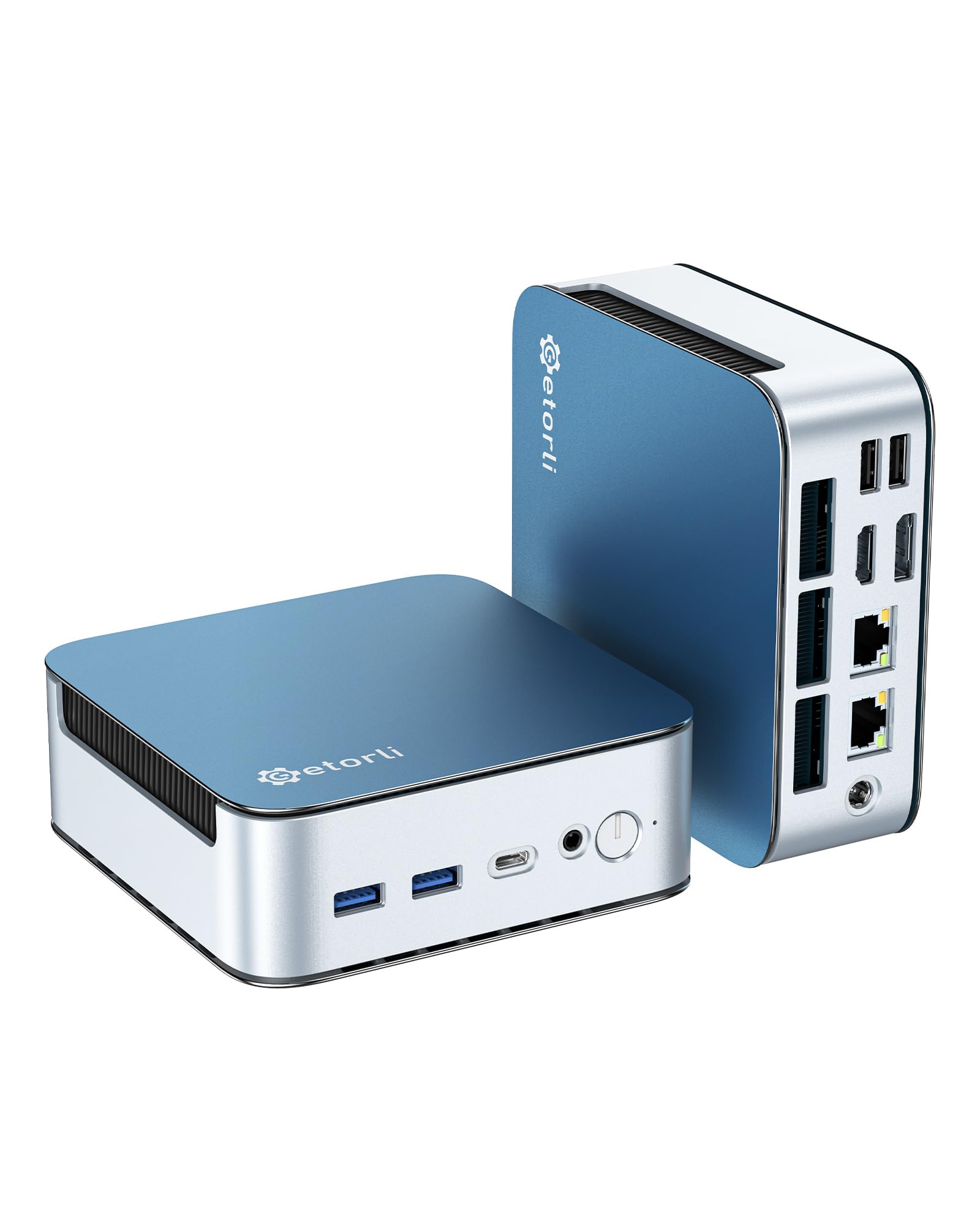
I reach for the Getorli 6800H when I want a compact machine that punches above its size. The Ryzen 7 H chip gives solid single‑core speed for realtime plugins and enough threads to keep background bounces moving, while 32GB LPDDR5 and a 1TB NVMe drive make sample streaming and project switching feel smooth. Triple 4K outputs are handy when I want the mixer, arrangement and plugin windows visible at once, and dual LAN/Wi‑Fi make collaboration and streaming simpler.
In FL Studio, Ableton Live, Pro Tools, Cubase, Studio One and Reaper it performs very well for composing, tracking and medium‑to‑large mixes; Logic Pro still requires macOS. The main limits I hit are the 32GB RAM ceiling for enormous orchestral templates and occasional thermal strain under sustained, full‑load renders, but for most producers this is a tidy, capable studio box.
Long-Term Savings
A roomy NVMe and fast LPDDR5 keep the system relevant as session sizes grow, so you can postpone a full system replacement. Fast networking also reduces time spent waiting on big file transfers when collaborating.
Return On Investment
The Getorli speeds up load times, reduces interruptions and lets me iterate ideas faster. For anyone billing by the hour or working with collaborators, that time saved converts into tangible value over projects.
Situational Benefits
| Situation | How It Helps |
|---|---|
| Plugin‑Heavy Mixing | The CPU and LPDDR5 memory handle many realtime effects comfortably, reducing the frequency of freezing tracks during dense mixes. |
| Multiscreen Workflows | Triple 4K outputs let me keep the mixer, arrangement and virtual instrument racks open simultaneously for faster editing and referencing. |
| Live Streaming With DAW | Dual LAN and reliable wireless keep streaming and file transfers stable while running a DAW and OBS or other broadcast software. |
| Large Sample Libraries | Fast NVMe streaming cuts load times, but for very large orchestral templates the fixed 32GB RAM ceiling means you’ll rely on streaming tricks or external scratch storage. |
Ease Of Use
| Feature | Ease Level |
|---|---|
| Initial Setup | Easy |
| DAW Installation | Easy |
| Audio Interface Pairing | Moderate |
| Storage Upgrades | Moderate |
Versatility
I use the Getorli for composing, tracking, mixing and streaming. It runs FL Studio, Ableton Live, Pro Tools, Cubase, Studio One and Reaper on Windows without surprises and adapts well to controller‑heavy setups and multi‑monitor arrangements.
Logic Pro remains a macOS‑only option.
Innovation
Putting a laptop‑class Ryzen 7 H with LPDDR5 and triple 4K outputs into a small chassis shows how mini PCs are closing the gap with desktops for creative work, especially when you need lots of display real estate in a tight space.
Problem Solving
When sessions spike I raise buffer sizes, freeze tracks or stream secondary libraries from an external NVMe. The Getorli supports those workflows well, though the 32GB RAM limit and thermal headroom are the main constraints for extreme templates.
Speed & Responsiveness
With a proper ASIO interface latency stays low and instruments feel immediate; NVMe streaming makes sample access fast. Full‑session renders still take time proportional to complexity, and sustained peak loads can reveal thermal or memory ceilings.
Key Benefits
- Strong Ryzen 7 H CPU that balances single‑thread speed and multi‑core throughput
- 32GB LPDDR5 and NVMe storage let you stream samples and switch projects quickly
- Triple 4K outputs and robust I/O support multi‑monitor, controller and interface setups
- Dual LAN and Wi‑Fi 6 simplify high‑speed file transfers and streaming workflows
FAQ
Can A Mini PC Run FL Studio, Ableton Live, Pro Tools, Cubase, Studio One And Reaper?
Yes—these major Windows DAWs run well on modern mini PCs when the hardware matches the workload. I’ve found FL Studio, Ableton Live, Studio One and Reaper to be especially forgiving on compact systems, and Pro Tools and Cubase also work fine for tracking and moderate mixes as long as you use a supported audio interface and up‑to‑date drivers.
One important compatibility note I always mention: Logic Pro is macOS‑only, so it won’t run natively on these Windows mini PCs. Real‑world bottlenecks to watch for are driver maturity for specific audio interfaces, limited thermal headroom that can cause throttling under long renders, and machines with few USB/Thunderbolt ports that make routing multiple interfaces or high‑channel counts harder.
My tip is to test your exact interface and plugin set on a loaner or in‑store demo if possible, because driver and plugin combinations are often what trip people up, not the DAW itself.
Which Hardware Specs Should I Prioritize For Music Production?
I focus on three things first: CPU responsiveness, memory and storage. Single‑core clock speed matters for many realtime plugins, while core count helps background bounces and parallel processing; aim for a balance rather than chasing only core numbers. I recommend at least 16GB of RAM for basic work and 32GB if you use large sample libraries or run many instruments.
Fast NVMe storage is another big win because it shortens sample load times and keeps streaming instruments from stuttering. After that, check I/O: a low‑latency audio interface with solid Windows drivers is more important than onboard audio, and having USB4 or Thunderbolt is useful for some high‑channel interfaces.
Finally, consider cooling and upgradeability—mini PCs with accessible M.2 slots and RAM options let you grow the machine as projects expand.
How Do I Avoid Latency, Dropouts And Other Bottlenecks During Sessions?
I solve most performance issues with a few practical steps. First, use a purpose‑built audio interface and its native ASIO driver, and set buffer sizes low for tracking and higher for mixing.
If playback stutters, raise the buffer, freeze CPU‑heavy tracks, or bounce stems to free resources. Keep large sample libraries on a fast NVMe or an external SSD to reduce streaming pressure, and close unnecessary background apps and network tasks during sessions. For long, CPU‑intensive renders I use background bounce options or split the job into chunks to avoid thermal throttling. Also keep firmware, BIOS and audio drivers current—many hiccups originate in outdated drivers rather than the DAW itself.
If you plan to push very large templates, consider a mini PC with stronger cooling and an upgrade path for extra RAM so you can avoid repeated workarounds.
Wrapping Up
I walked through each model’s strengths and how they behave in real DAWs so you can match machine to workflow. The GEEKOM A9 Max and MINISFORUM X1 Pro are top choices for large sessions and plugin‑heavy mixes because their Ryzen AI/HX370 platforms deliver high single‑thread speeds and many cores for background processing; they handle FL Studio, Ableton Live, Pro Tools, Cubase, Studio One and Reaper smoothly and let you run lots of virtual instruments without constant freezing. Their main bottlenecks are driver maturity for some pro Thunderbolt audio interfaces and the occasional thermal throttling under very long, CPU‑intensive sessions, so good ventilation and a quality audio interface are important. The GMKtec EVO‑X1 is excellent if you want many displays and lots of USB/PCIe connectivity for controllers and audio racks, and it performs similarly in DAWs with the same driver caveats.
Getorli’s Ryzen 7 6800H and BOSGAME P3 deliver strong real‑world performance for tracking and medium‑sized mixes; they stream sample libraries well if you pair them with a 1TB NVMe and 32GB of RAM, but very large orchestral libraries will benefit from more RAM and faster scratch storage. The MINISFORUM UM750L and GEEKOM A5 Pro are efficient and quiet choices that suit beatmaking, MIDI production and mixing smaller projects; expect to raise buffer sizes or freeze tracks when you push many realtime instances.
The ACEMAGIC M5, GMKtec G10 and BOSGAME E2 are budget or entry choices that handle FL Studio, Ableton and Reaper for small sessions and sketching, but their bottlenecks are lower single‑core clocks, less generous upgrade paths, and slower I/O which can increase load times for big libraries. One critical compatibility note: Logic Pro is not natively available on Windows mini PCs, so if your workflow relies on Logic you should choose an Apple Mac Mini with an M‑series chip instead. My practical recommendation is to pick at least 16GB of RAM for basic work and 32GB for serious sample‑based sessions, prioritize NVMe storage and a low‑latency audio interface with native Windows drivers, and avoid models without sufficient cooling if you plan long, plugin‑heavy mixes.
That combination gives you the best balance of low latency, fast sample streaming and stable DAW performance in a compact studio footprint.
| Product Name | Image | Operating System | CPU Model | Memory | Storage | Performance Summary |
|---|---|---|---|---|---|---|
| ACEMAGIC M5 Mini PC |
 |
Windows 11 Pro | Intel Core i5 14450HX | 32GB DDR4 | 1TB SSD |
|
| GEEKOM A5 Pro Premium Mini PC |
 |
Windows 11 Pro, Ubuntu | AMD Ryzen 5 7430U | 16GB DDR5 | 512GB SSD |
|
| GEEKOM A9 Max AI Mini PC |
 |
Windows 11 Pro | AMD Ryzen AI 9 HX 370 | 32GB DDR5 | 1TB SSD |
|
| GMKtec EVO-X1 AI Mini PC |
 |
Windows 11 Pro | AMD Ryzen AI 9 HX-370 | 32GB DDR5 | 1TB PCIe SSD |
|
| MINISFORUM AI X1 Pro-370 Mini PC |
 |
Windows 11 Pro | AMD Ryzen AI 9 HX-370 | 32GB DDR5 | 1TB PCIe 4.0 SSD |
|