As a student who codes, I know how much a laptop shapes your learning and productivity. I wrote this guide to help you find machines that balance performance, battery life, and portability so you can compile, test, and study without constant compromises.
Whether you need a lightweight Mac for macOS development, an affordable Windows laptop for classes, or a powerful machine for data analysis, I highlight options that make your semester smoother and keep you focused on building projects rather than wrestling with hardware.
Top Picks
|
Category |
Product |
Score |
|---|---|---|
|
🏆 Best Overall |
95/100 |
|
|
🎯 Best For Multitasking |
82/100 |
|
|
💼 Best Affordable Mac |
88/100 |
|
|
💰 Best Ultra Budget |
68/100 |
|
|
⭐ Best Midrange Performer |
84/100 |
|
|
🎒 Best For Students |
74/100 |
|
|
🤖 Best For AI Features |
87/100 |
|
|
🗄️ Best For Storage |
80/100 |
|
|
🎯 Best For Remote Classes |
79/100 |
|
|
🚀 Best For Developers |
93/100 |
How I Picked These Laptops
I focused on the things that matter most to programming students: CPU performance for compiling and running local services, at least 8GB of RAM for smooth multitasking, and fast SSD storage to reduce build and load times. Portability and battery life weighed heavily because many students work between classes and cafes, while screen size and keyboard comfort were considered for long coding sessions.
I also looked at connectivity for external monitors and peripherals, real-world pricing for students, and brand support or ecosystem advantages that can simplify development workflows.
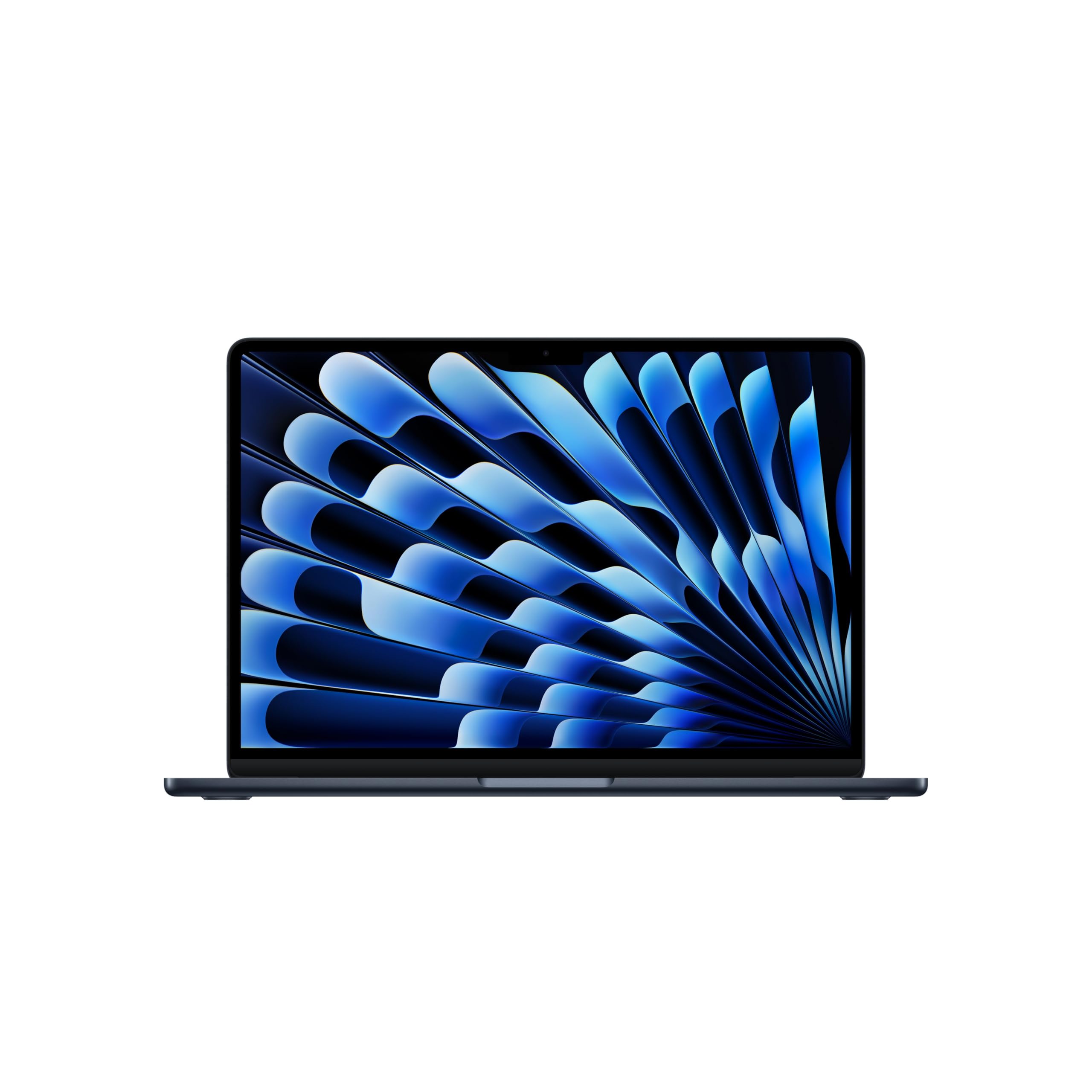
I reach for this MacBook Air when I want a compact machine that still feels powerful for student work. The M5 chip keeps compiles and local servers snappy, the screen is bright and easy on my eyes during long study sessions, and the whole laptop is light enough to carry between classes. It handles browser-heavy workflows, terminal work, light media editing, and virtual meetings without feeling bogged down.
If you value portability plus enough power to learn full-stack development or mobile apps, this hits a sweet spot.
Long-Term Value
Apple laptops tend to hold value and receive software updates for many years, so the initial investment often stretches across multiple degree terms. Durable build quality and consistent performance mean fewer upgrades during college.
ROI For Students
For a programming student, the return comes from fewer distractions and less time waiting on builds or VM boots. That extra productivity can translate into better project outcomes, smoother demos, and more time to experiment with new tools.
Situational Uses
|
Situation |
How It Helps |
|---|---|
|
Lecture Notes and Coding Between Classes |
Its light weight and long battery life let me code and take notes for hours without hunting for an outlet. |
|
Local Development and Testing |
Fast SSD and unified memory cut down on compile times and speed up running local test environments. |
|
Group Projects and Remote Meetings |
Center Stage camera and clear speakers make video calls feel more natural when I’m pair programming or presenting. |
|
Travel and Conferences |
Slim profile and reliable wireless keep me connected on the go while staying comfortable to work on trains or in cafes. |
Educational Value
This laptop makes learning smoother because it removes hardware friction. I spend less time troubleshooting slow performance and more time experimenting with new frameworks, compiling projects, and following along with tutorials. macOS also exposes students to Unix-like tools that are useful for many development tracks.
Ease Of Use
|
Feature |
Ease Level |
|---|---|
|
Setup & Integration |
Easy |
|
Keyboard & Trackpad |
Easy |
|
Battery Management |
Easy |
|
Ports & External Displays |
Moderate |
Versatility
This Air is versatile enough for web development, mobile app work, scripting, and light media tasks. It’s not a dedicated workstation for heavy GPU rendering, but it adapts well to most student workloads and pairs nicely with an external monitor when I need more screen real estate.
Who It’s For
Suitable for beginners through advanced students who need a reliable, portable machine for development workflows.
Security
|
Feature |
Protection Level |
|---|---|
|
Touch ID |
High |
|
Secure Enclave (firmware-level) |
High |
|
FileVault Full Disk Encryption |
High |
|
System Software Updates |
Moderate |
Key Benefits
- Lightweight and highly portable for campus life
- Strong all-day battery life for long coding sessions
- Unified memory and fast SSD make builds and launches feel instant
- Excellent display and speakers for debugging and remote classes
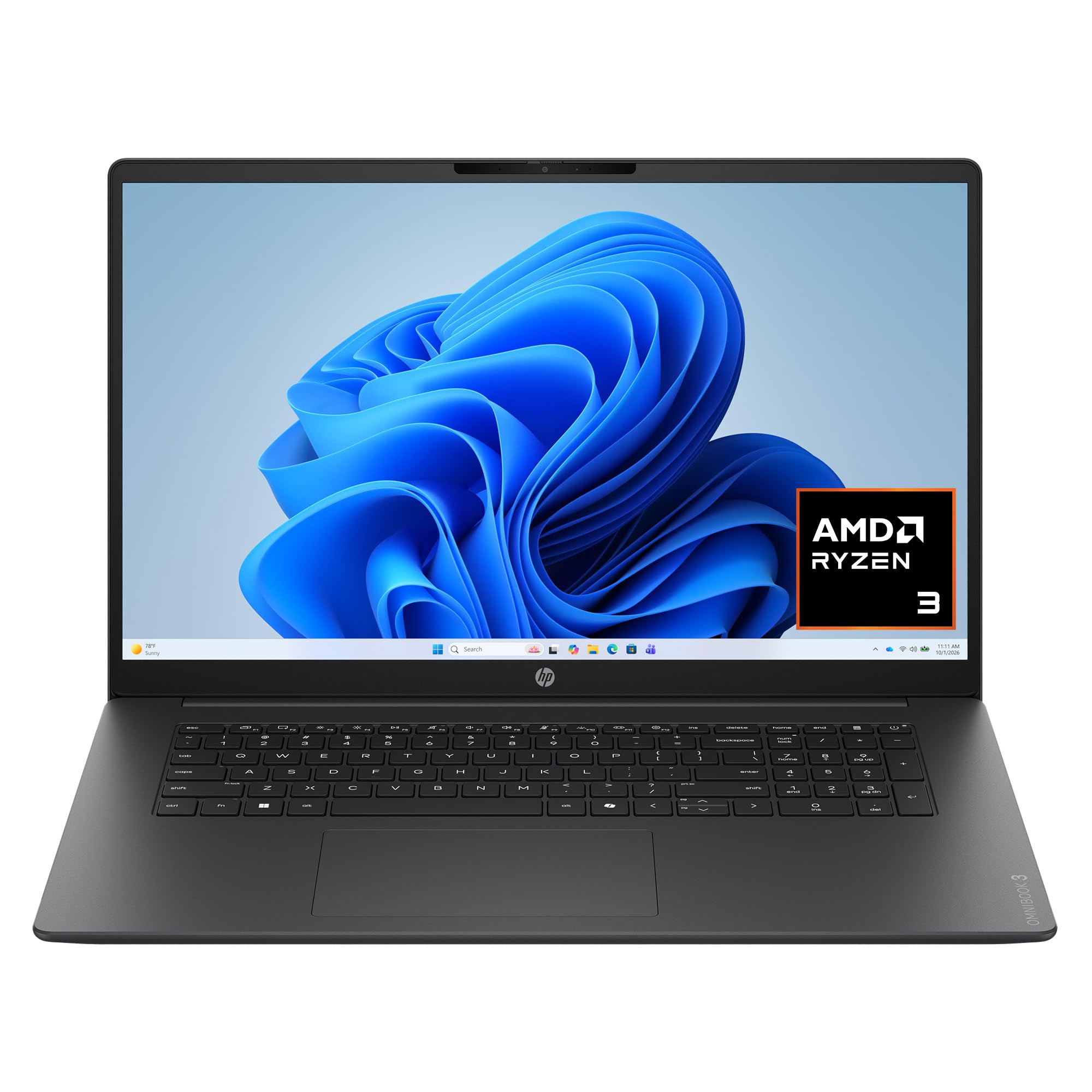
I reach for the OmniBook 3 when I want a laptop that makes multitasking painless without feeling fussy. The large 17.3-inch screen gives me plenty of room to code, keep documentation open, and run a terminal side by side. It’s snappy for classwork, web development, and streaming lectures, and the extra ports mean I can plug into an external monitor or a study-room setup without hunting for dongles. If you prefer a roomy display and solid day-to-day performance for projects and group work, this is a very practical pick.
Long-Term Value
The OmniBook 3 uses durable materials and mainstream components that are easy to maintain. Reliable daily performance and solid storage reduce the need for early replacements, and included Windows updates help keep the system current over a student lifecycle.
ROI For Students
You get more productive hours when you can view more windows at once and avoid slow disk waits. For students juggling code, notes, and virtual meetings, that smoother workflow translates directly to faster project progress and less frustration.
Situational Uses
|
Situation |
How It Helps |
|---|---|
|
Lecture Notes and Coding |
The wide screen lets me keep lecture slides and my editor visible at the same time so I don’t switch contexts constantly. |
|
Group Projects |
HD webcam and good mics make remote pair programming clearer, and the keyboard layout suits long typing sessions. |
|
Multitasking and Browsing |
8GB LPDDR5 and a fast SSD keep multiple tabs and lightweight local services responsive during development. |
|
Connecting Peripherals |
HDMI 2.1 and two USB-C ports let me hook up an external monitor and accessories without juggling adapters. |
Educational Value
This laptop helps me stay focused on learning by reducing setup friction: ample screen space for side-by-side resources, reliable performance for compiling small projects, and Windows compatibility for many campus tools and IDEs.
Ease Of Use
|
Feature |
Ease Level |
|---|---|
|
Initial Setup |
Easy |
|
Daily Performance |
Easy |
|
Multitasking |
Moderate |
|
Portability |
Moderate |
Versatility
The OmniBook 3 handles everyday development, documentation, remote classes, and media consumption comfortably. It’s less aimed at heavy GPU workloads, but for most student projects and multitasking scenarios it adapts well.
Who It’s For
Best suited for beginners to intermediate students who want a roomy display and dependable Windows environment without overpaying.
Security
|
Feature |
Protection Level |
|---|---|
|
Windows 11 Security Features |
Moderate |
|
Regular Firmware & Software Updates |
Moderate |
|
Integrated Webcam with HDR Auto Switch |
Low |
Key Benefits
- Expansive 17.3″ FHD display ideal for split-screen coding and documentation
- 512GB PCIe SSD delivers quick app launches and responsive file access
- Multiple modern ports including HDMI 2.1 and USB-C for easy docking
- Comfortable keyboard and 1080p camera make remote collaboration straightforward
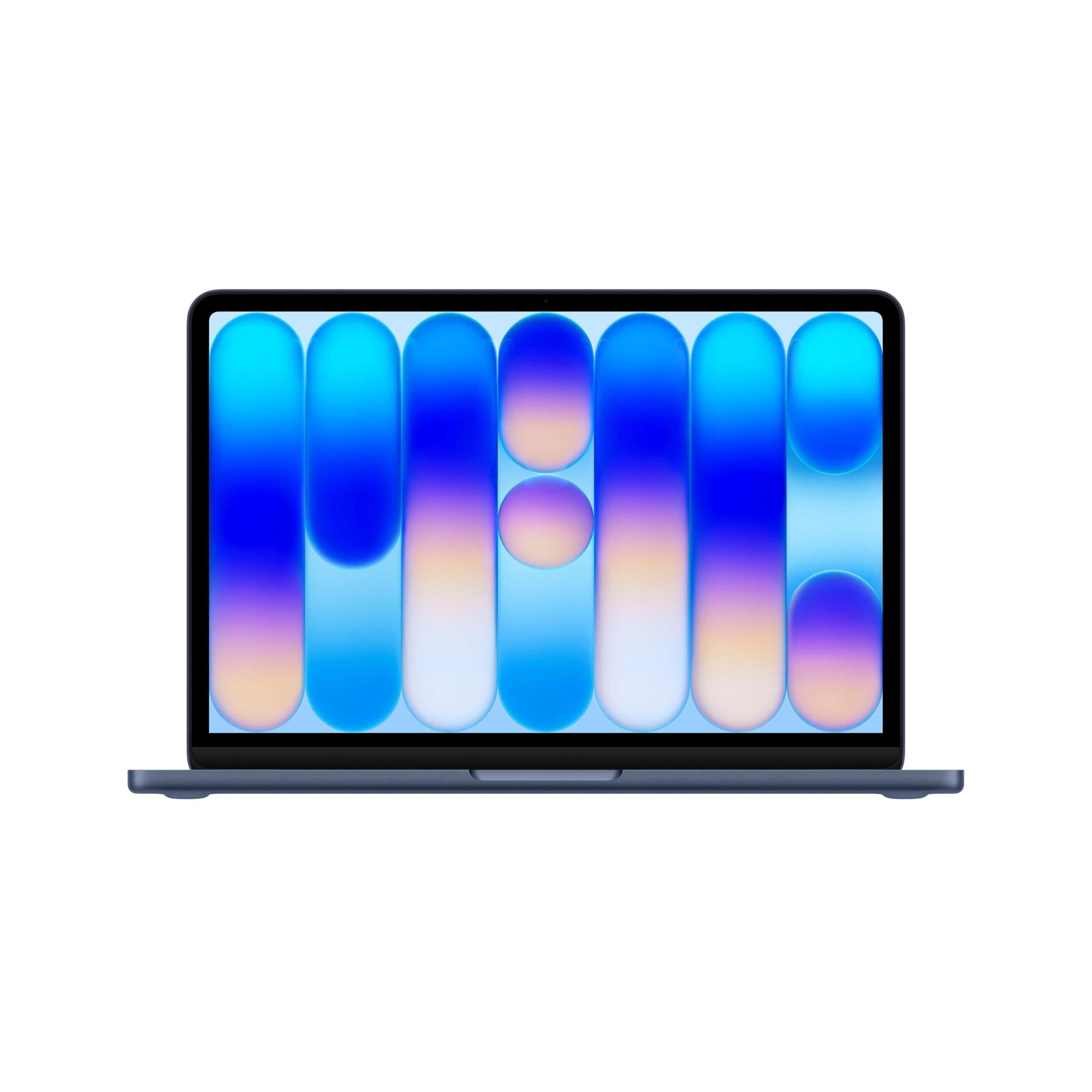
I reach for the Neo when I want a compact machine that feels modern and effortless. The A18 Pro chip keeps everyday tasks and web-heavy development smooth, the display is crisp for reading docs and debugging, and the lightweight design makes it easy to carry between classes. It pairs naturally with iPhone and iPad for quick file sharing and continuity, and the battery lasts well enough for back-to-back lectures or long library sessions. It’s not a workstation for heavy GPU rendering, but for most student developers learning web, mobile, or scripting workflows it’s a very practical pick.
Long-Term Value
Apple’s long software support and durable build mean the Neo often remains usable across multiple school years, reducing the need to upgrade frequently and keeping maintenance hassles low.
ROI For Students
The time saved from fast booting, quick app launches, and fluid multitasking turns into more project time and fewer interruptions, which is valuable when deadlines pile up.
Situational Uses
|
Situation |
How It Helps |
|---|---|
|
Daily Classes |
Lightweight design and solid battery life let me take notes and code between lectures without hunting for outlets. |
|
Project Prototyping |
Fast storage and responsive CPU keep small builds and local testing quick so I can iterate faster on prototypes. |
|
Pair Programming |
Clear microphone and 1080p webcam make remote collaboration feel natural during screen shares and live debugging. |
|
Travel and Study Trips |
Slim profile fits in a backpack easily and reliable wireless keeps me connected in cafes and study lounges. |
Educational Value
By minimizing hardware distractions, the Neo helps me focus on learning new languages and tools. macOS gives easy access to Unix-like terminals and common developer tools, which is useful across many CS courses.
Ease Of Use
|
Feature |
Ease Level |
|---|---|
|
Setup & Integration |
Easy |
|
Everyday Performance |
Easy |
|
Battery Management |
Easy |
|
Ports & Expansion |
Moderate |
Versatility
This model fits well for web development, mobile app learning, scripting, and general student tasks. It adapts to office work and creative editing at a light level, and pairs well with an external display when more screen space is needed.
Who It’s For
Great for beginners and intermediate students who want a reliable, portable Mac environment; advanced users doing heavy parallel builds or GPU work may want a higher-spec machine.
Security
|
Feature |
Protection Level |
|---|---|
|
Touch ID |
High |
|
Secure Enclave |
High |
|
FileVault Full Disk Encryption |
High |
|
Regular macOS Security Updates |
Moderate |
Key Benefits
- Compact, lightweight design that’s easy to carry around campus
- Responsive performance for web development and app testing
- Excellent display and speakers for reading docs and remote classes
- Seamless integration with Apple devices for smoother workflows
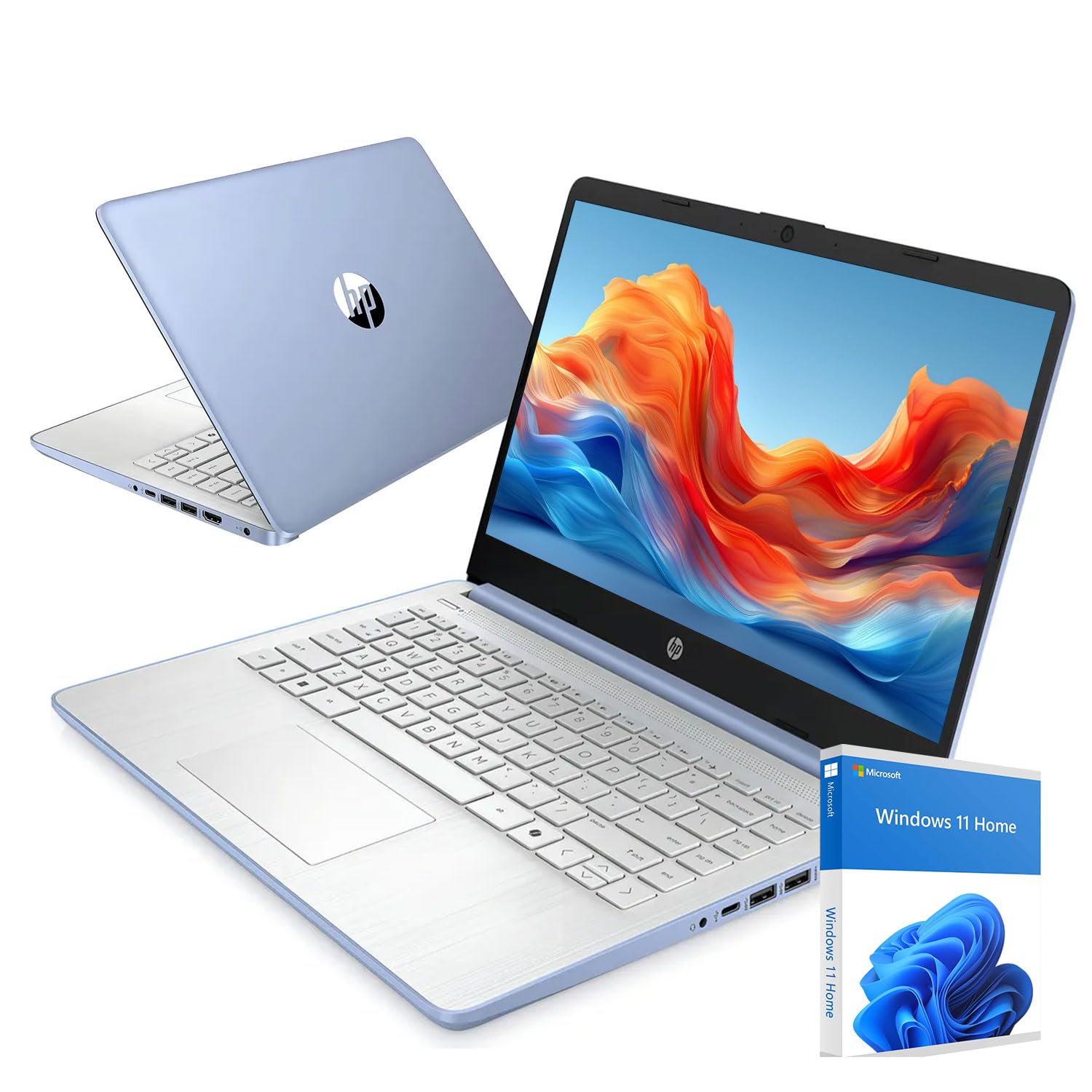
I reach for this Ultrabook when I need a no-fuss machine that covers classes, notes, and lightweight coding. It’s compact and easy to carry between lectures, boots quickly, and handles web-based IDEs, document work, and video calls without getting in the way.
Battery life is decent for a day of classes, and built-in Wi‑Fi 6 keeps video calls and remote labs reliable. It’s not meant for heavy compiles or large datasets, but for most coursework and learning projects it’s a sensible, simple companion.
Long-Term Value
Because it uses mainstream parts and a straightforward Windows setup, this model is easy to maintain and repair. Included web-based Office services reduce the need for extra software purchases during school years.
ROI For Students
The Ultrabook helps me spend less time wrestling with basic tasks and more time learning. Faster startups and quick access to cloud tools mean more productive study sessions and smoother group work.
Situational Uses
|
Situation |
How It Helps |
|---|---|
|
Lecture Notes |
Lightweight build and decent battery let me take notes and follow slides without searching for an outlet between classes. |
|
Online Labs |
Stable Wi‑Fi 6 connection and a usable webcam keep remote labs and proctored sessions running smoothly. |
|
Quick Coding Exercises |
The SSD and snappy OS let small scripts and browser-based IDEs run without noticeable lag. |
|
Group Projects |
Full-size keyboard and HDMI output make it easy to connect to a room display and type through long collaboration sessions. |
Educational Value
This laptop reduces friction for learning by providing a familiar Windows environment and cloud-friendly productivity tools. It’s a reliable platform for assignments, remote classes, and getting comfortable with development basics.
Ease Of Use
|
Feature |
Ease Level |
|---|---|
|
Initial Setup |
Easy |
|
Everyday Apps |
Easy |
|
Multitasking |
Moderate |
|
Portability |
Easy |
Versatility
This Ultrabook works well for note-taking, web development practice, cloud labs, and streaming lectures. It’s not intended for heavy virtualization or large-scale data analysis, but it adapts well to the kinds of tasks most students face day to day.
Who It’s For
Ideal for beginners and students who need a dependable, entry-level laptop for coursework and lighter development tasks.
Security
|
Feature |
Protection Level |
|---|---|
|
Windows 11 Security Features |
Moderate |
|
Automatic Software Updates |
Moderate |
|
Built-in Webcam |
Low |
Key Benefits
- Compact 14-inch form factor that’s easy to carry across campus
- Fast boot and responsive feel thanks to the 128GB SSD
- Windows 11 and Microsoft Office for the web make setup and coursework straightforward
- Wi‑Fi 6 support and a front-facing camera for stable remote classes
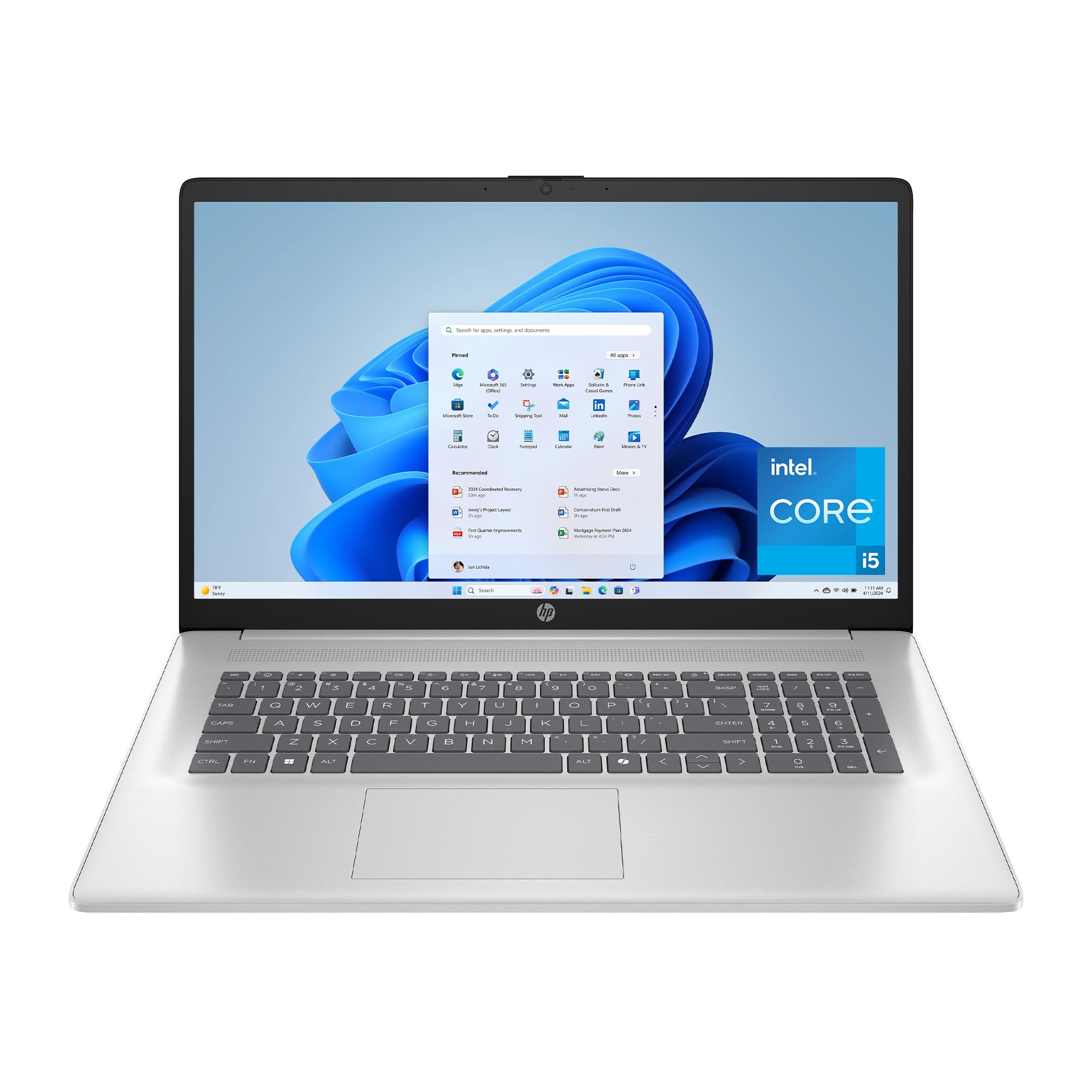
I reach for this HP 17 when I want a large workspace that still feels approachable. The 17.3-inch screen makes it easy to keep an editor, docs, and a browser visible at once, which saves context-switching during long study sessions.
The lift-hinge improves typing comfort, the SSD keeps apps responsive, and the port selection means I can dock into a study-room setup quickly. It’s a solid choice for students who prefer a roomy display for multitasking and presentations, and it handles everyday development tasks with dependable performance.
Long-Term Value
Built with recycled materials and designed for energy efficiency, this model aims to be durable and easy to maintain. That practicality reduces the chance of early replacement and keeps total ownership simple over a student career.
ROI For Students
The extra screen space and responsive hardware help me finish tasks faster and with fewer interruptions, which means more time for learning or side projects rather than waiting on the machine.
Situational Uses
|
Situation |
How It Helps |
|---|---|
|
Long Coding Sessions |
The large display and comfortable keyboard make extended work periods less tiring and reduce the need to constantly rearrange windows. |
|
Lecture Presentations |
HD screen and HDMI output let me connect to classroom displays easily and present slides or demos without fuss. |
|
Remote Collaboration |
Integrated microphones and webcam with temporal noise reduction improve clarity for pair programming and group calls. |
|
Everyday Multitasking |
Ample RAM and fast storage keep tabs, terminals, and local tools running smoothly while I switch contexts. |
Educational Value
This laptop reduces friction for coursework by offering a familiar Windows environment, broad software compatibility, and a screen size that helps when following tutorials alongside code editors. It’s practical for labs, assignments, and group projects.
Ease Of Use
|
Feature |
Ease Level |
|---|---|
|
Initial Setup |
Easy |
|
Everyday Multitasking |
Easy |
|
Connecting External Displays |
Moderate |
|
Portability |
Moderate |
Versatility
The HP 17 adapts well to coding, document work, streaming lectures, and casual media editing. It’s not positioned as a high-end rendering rig, but it offers enough flexibility for most student workflows and classroom needs.
Who It’s For
Best suited for beginners through intermediate students who value screen real estate and a comfortable typing experience over extreme portability.
Security
|
Feature |
Protection Level |
|---|---|
|
Windows 11 Built-In Protections |
Moderate |
|
Regular Firmware and Software Updates |
Moderate |
|
Integrated Webcam with Noise Reduction |
Low |
Key Benefits
- Large 17.3″ FHD screen for comfortable split-screen coding and reference material
- 16GB RAM and PCIe SSD for smooth multitasking and fast app launches
- Lift-hinge keyboard improves typing posture during long sessions
- Multiple ports including HDMI and USB‑C for easy external displays and peripherals
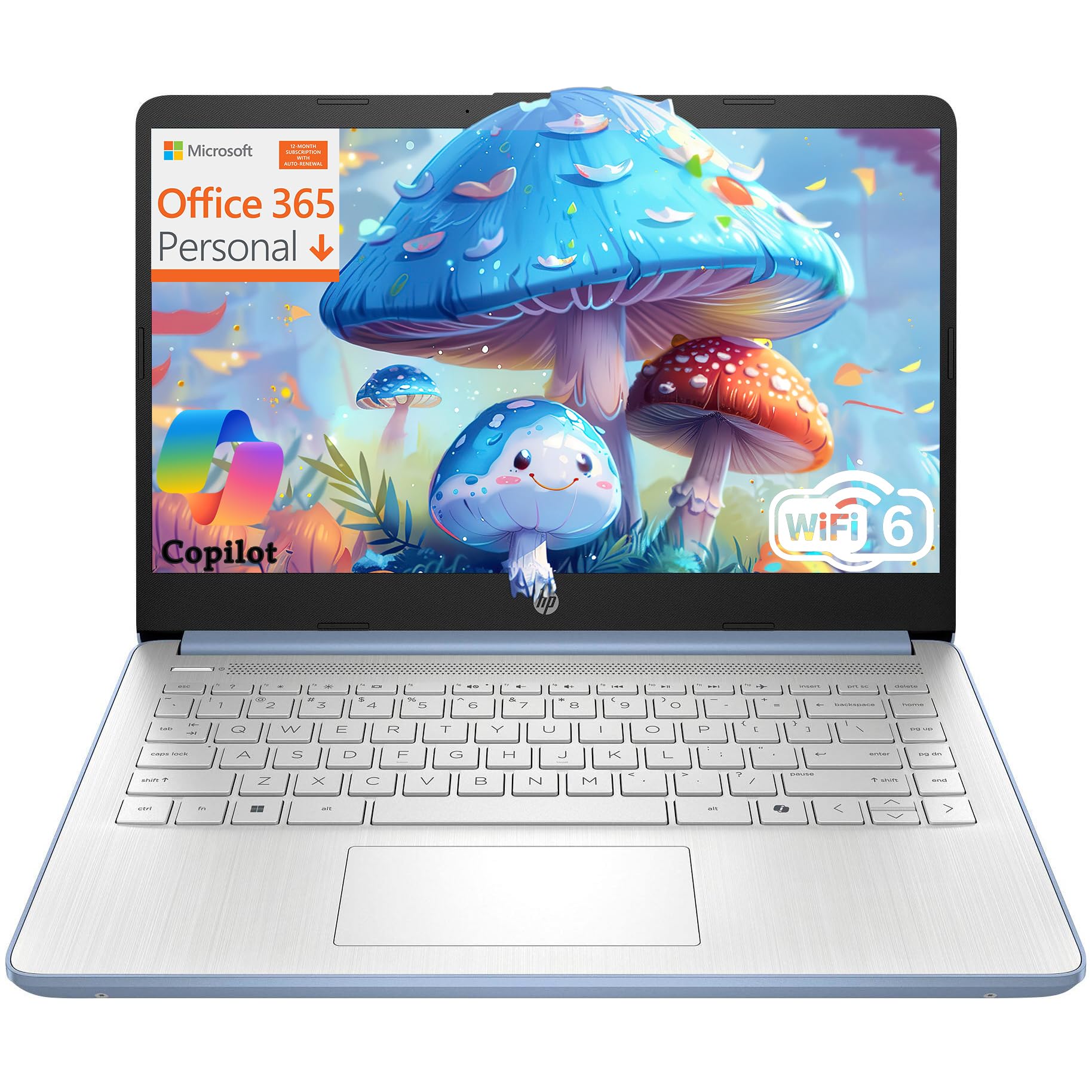
I reach for the Essential 14 when I need a simple, dependable machine for classes and light coding. It’s small and light enough to carry all day, boots quickly, and handles browser-based IDEs, documents, and video calls without fuss.
The privacy shutter and one-year Microsoft 365 make it easy to get started on assignments and group work, and its battery life is enough for back-to-back lectures. It’s not built for heavy virtualization or large datasets, but for everyday student workflows it keeps things straightforward.
Long-Term Value
Bundled productivity subscriptions and mainstream components reduce upfront software spending and simplify maintenance. The simple Windows setup and common parts mean repairs and support are straightforward over several school years.
ROI For Students
Time saved from fast startups, easy cloud access, and fewer software purchases lets me focus on projects and deadlines instead of setup and compatibility issues, which adds practical value across semesters.
Situational Uses
|
Situation |
How It Helps |
|---|---|
|
Lecture Notes |
Lightweight build and decent battery let me take notes and follow slides between classes without constantly searching for an outlet. |
|
Online Classes |
Wi‑Fi 6 and the camera privacy shutter keep video sessions stable and private, while the mic mute key helps manage interruptions. |
|
Quick Coding Exercises |
The SSD and snappy OS make small scripts and browser-based IDEs feel responsive for practice and homework. |
|
Group Presentations |
HDMI output and a full-size keyboard make it easy to connect to classroom displays and run through slides or demos. |
Educational Value
This laptop reduces setup friction so students can spend more time learning. It’s well suited to research, writing, running cloud labs, and getting comfortable with development basics in a familiar Windows environment.
Ease Of Use
|
Feature |
Ease Level |
|---|---|
|
Initial Setup |
Easy |
|
Daily Productivity Apps |
Easy |
|
Multitasking |
Moderate |
|
Portability |
Easy |
Versatility
The Essential 14 handles note-taking, web development practice, cloud-based labs, and media streaming comfortably. It’s not designed for heavy compiling or large VM setups, but it covers most class-related needs with minimal fuss.
Who It’s For
Best for beginners and students who need a reliable, entry-level laptop for coursework, remote classes, and light development tasks.
Security
|
Feature |
Protection Level |
|---|---|
|
Windows 11 Security Features |
Moderate |
|
Camera Privacy Shutter |
High |
|
Automatic Software Updates |
Moderate |
|
Cloud Backup With Included Services |
Moderate |
Key Benefits
- Compact, easy-to-carry 14″ design that fits a backpack comfortably
- 128GB SSD provides quick boot times and responsive app loading
- Camera privacy shutter and mic mute key for confident remote classes
- Includes Microsoft 365 Personal (1 year) and Dropbox storage for cloud backups

I reach for the Slim 3x when I want a lightweight laptop that still feels capable for a full day of classes and side projects. The Snapdragon X chip and its NPU make AI-powered features feel responsive without draining the battery, and the 15.3″ 16:10 screen gives extra vertical space for editors and docs.
It’s easy to carry around, survives the usual knocks in a backpack, and the ready-to-expand SSD slot means I can add storage later when my projects grow. For web development, scripting, and AI-assisted workflows the balance of battery life, portability, and smart features makes this a practical day-to-day tool.
Long-Term Value
Energy-efficient architecture and an easily upgradeable SSD slot mean the laptop stays relevant longer with fewer component replacements. That durability and upgrade path help the device serve through multiple semesters.
ROI For Students
The combination of extended battery life and fast, AI-assisted workflows reduces interruptions and saves time on repetitive tasks, so study sessions and project iterations feel more productive.
Situational Uses
|
Situation |
How It Helps |
|---|---|
|
All-Day Lectures |
Battery efficiency and light weight let me take notes and work between classes without constantly hunting for outlets. |
|
On-The-Go Development |
Good wireless performance and a thin profile make coding on trains or in cafes practical while staying connected. |
|
AI-Assisted Tasks |
The built-in NPU accelerates local model inference and Copilot-style features, so small AI workflows run smoothly without needing cloud resources. |
|
Project Storage Growth |
The ready-to-expand SSD slot makes it simple to add capacity as projects and datasets grow, avoiding an early hardware bottleneck. |
Educational Value
This machine lowers friction for learning by combining long battery life, a comfortable display for side-by-side learning materials, and local AI acceleration that can speed up debugging, auto-completion, and research assistants during coursework.
Ease Of Use
|
Feature |
Ease Level |
|---|---|
|
Setup & Copilot Integration |
Easy |
|
Battery & Mobility |
Easy |
|
Upgrading Storage |
Moderate |
|
Connectivity (Ports/Wireless) |
Easy |
Versatility
The IdeaPad Slim 3x fits well for web development, light ML prototyping, multimedia, and everyday productivity. It’s especially handy when you want AI features on-device and a larger screen without sacrificing portability.
Who It’s For
Suited to beginners through intermediate students and those exploring AI-assisted development; heavy server-side compilation or GPU-heavy workflows may require a higher-spec machine.
Security
|
Feature |
Protection Level |
|---|---|
|
Windows 11 Security Stack |
Moderate |
|
Regular Firmware & OS Updates |
Moderate |
|
Durable Metal Chassis |
Low |
Key Benefits
- Long battery life and efficient Snapdragon performance for all-day use
- Spacious 15.3″ 16:10 display that helps when viewing code and docs side by side
- AI-focused features and a 45 TOPS NPU that speed up local intelligent tasks
- Expandable SSD slot and a durable metal chassis for practical future upgrades

I reach for the HP 17 when I need a desktop-like workspace in a laptop. The large 17.3-inch screen makes it easy to keep an editor, docs, and a browser open at once, which helps me avoid constant window juggling. With 32GB of RAM and a roomy SSD the system stays responsive even with many tabs and local tools running.
The lift-hinge gives a more comfortable typing angle for long sessions, and the port selection means hooking up a monitor, external drive, or course-specific dongles is straightforward. It’s a practical pick for students who want storage and screen real estate rather than the smallest possible footprint.
Long-Term Value
High-capacity storage and generous memory reduce the need for early upgrades. Using mainstream components and a repair-friendly design means maintenance and potential future upgrades are simpler during a multi-year course of study.
ROI For Students
The ability to keep many tools and references open at once saves time and reduces context-switching, so projects move forward faster. For students, that smoother workflow often translates into quicker iterations and fewer late nights debugging setup problems.
Situational Uses
|
Situation |
How It Helps |
|---|---|
|
Intensive Study Sessions |
The large screen and comfortable keyboard let me stay productive for hours without constantly rearranging windows. |
|
Presentations & Demos |
HDMI output and strong screen size make classroom presentations and live demos straightforward to run. |
|
Local Development |
Ample RAM and fast storage keep local servers, databases, and IDEs responsive while I test projects. |
|
Media And Reference |
The big display and good speakers help when I watch tutorials, follow along with video lessons, or reference documentation side by side. |
Educational Value
This laptop reduces friction so I can focus on learning: the screen helps when following tutorials beside an editor, and broad Windows compatibility ensures campus tools and lab software run without awkward workarounds.
Ease Of Use
|
Feature |
Ease Level |
|---|---|
|
Initial Setup |
Easy |
|
Everyday Multitasking |
Easy |
|
Connecting Peripherals |
Easy |
|
Portability |
Moderate |
Versatility
The HP 17 handles coding, document work, streaming lectures, and light media editing comfortably. It’s especially useful when you need local storage and plenty of screen space rather than the thinnest design.
Who It’s For
Well suited for beginners through advanced students who need a reliable machine for heavy multitasking, large projects, and classroom presentations.
Security
|
Feature |
Protection Level |
|---|---|
|
Windows 11 Pro Security |
Moderate |
|
Regular Firmware & OS Updates |
Moderate |
|
Built-In Webcam With Privacy Shutter (when available) |
Low |
Key Benefits
- Large 17.3″ display for comfortable split-screen coding and reading documentation
- 32GB RAM and 2TB SSD for smooth multitasking and ample local storage
- Lift-hinge keyboard provides better typing posture during long study periods
- Multiple ports including HDMI and USB‑C make docking and presentations easy
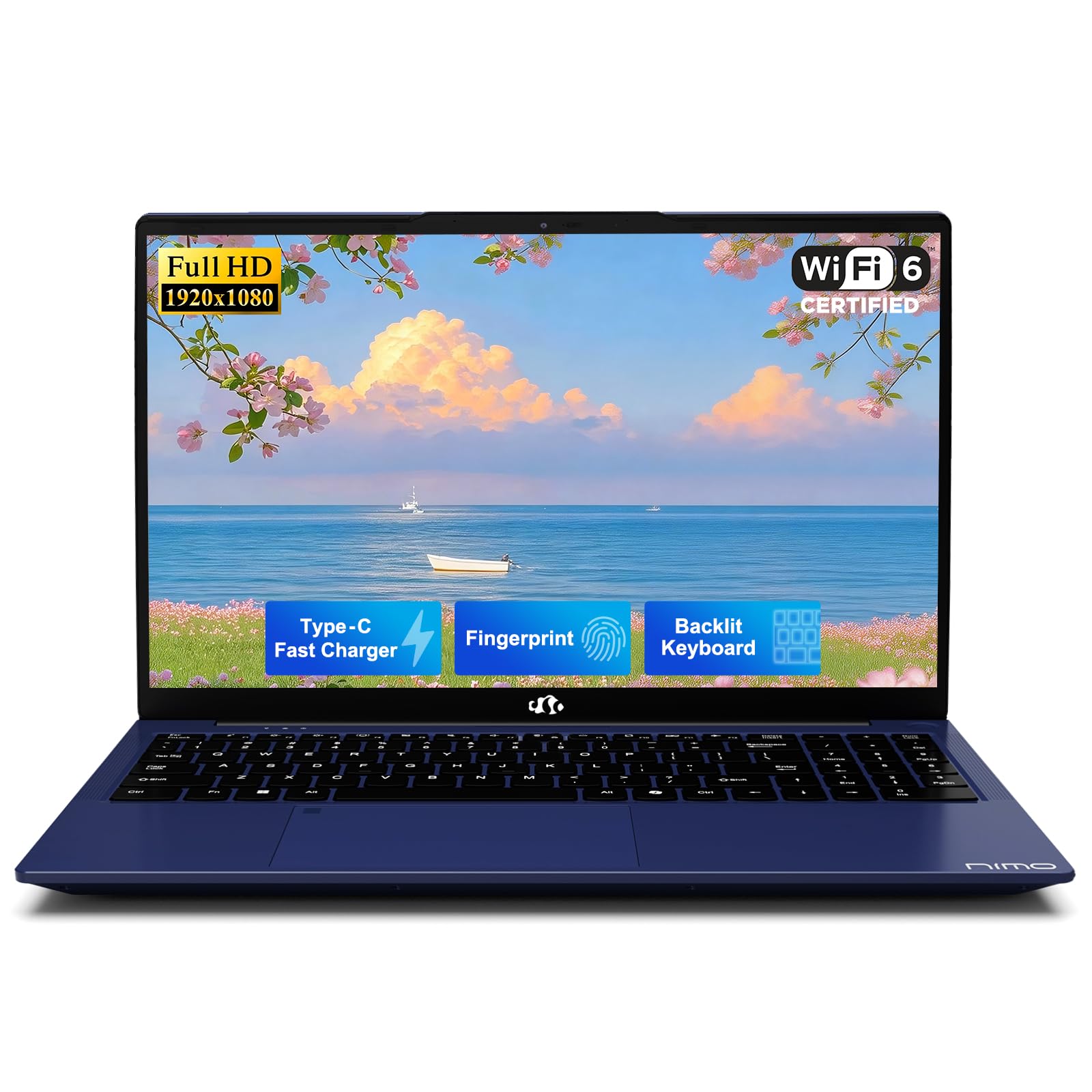
I reach for the NIMO N157 when I need a roomy screen and features that make remote classes and quick coding sessions easier. The 15.6″ FHD display gives me space to keep an editor and reference material side by side, and the responsive storage plus ample RAM keeps small projects and browser-based IDEs moving.
It has a backlit keyboard and fingerprint reader that make late-night work and secure logins more comfortable, and the two-year warranty provides a little extra peace of mind for student life.
Long-Term Value
A generous internal SSD and straightforward component set make it less likely you’ll need immediate upgrades. The included two-year warranty also helps reduce unexpected repair costs during your course of study.
ROI For Students
You get more productive hours when projects load quickly and video calls run smoothly. For students that translates into faster iterations on assignments and fewer interruptions during group work.
Situational Uses
|
Situation |
How It Helps |
|---|---|
|
Remote Classes and Meetings |
HD webcam, clear audio, and a stable wireless connection make virtual labs and group calls less frustrating. |
|
Practice and Small Projects |
Ample storage and memory let me run editors, local test servers, and browser tools without constant swapping. |
|
Nighttime Coding |
Backlit keyboard and a comfortable layout reduce strain during late study sessions. |
|
On-the-Go Productivity |
Reliable battery life and fast charging options keep me working between classes and in cafes. |
Educational Value
This laptop removes common friction points so students can focus on learning: readable screen space, responsive storage for builds, and hardware conveniences that simplify remote collaboration and coursework.
Ease Of Use
|
Feature |
Ease Level |
|---|---|
|
Initial Setup |
Easy |
|
Daily Productivity |
Easy |
|
Multitasking |
Moderate |
|
Portability |
Moderate |
Versatility
The NIMO N157 suits web development practice, cloud-based labs, media playback, and general coursework. It’s a solid all-rounder for students who want features that support both learning and communication.
Who It’s For
Well suited for beginners and intermediate students who need a dependable, feature-rich laptop for classes, projects, and remote collaboration.
Security
|
Feature |
Protection Level |
|---|---|
|
Fingerprint Reader |
High |
|
Windows 11 Security |
Moderate |
|
Automatic Backup Options |
Moderate |
Key Benefits
- Large 15.6″ FHD screen that helps when following tutorials alongside code
- 1TB SSD and roomy RAM for responsive app launches and multitasking
- Backlit keyboard and numeric keypad for comfortable typing sessions
- Fingerprint reader and HD webcam suited for secure logins and remote classes
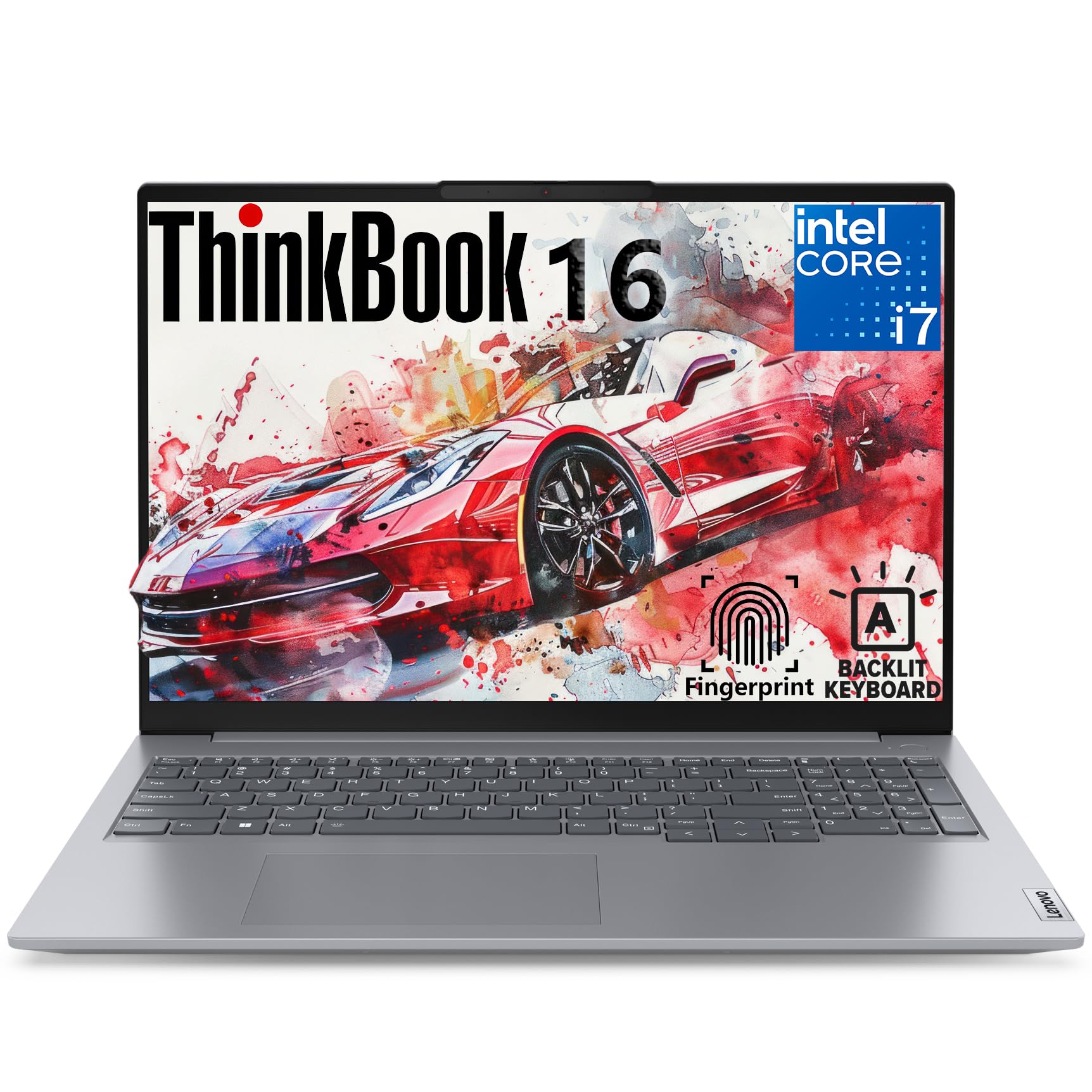
I reach for the ThinkBook 16 when I need a laptop that feels like a portable workstation. The screen gives me enough room to run an IDE, datasets, and a browser without constantly resizing windows, and the 14-core hybrid CPU keeps multi-threaded builds and local analysis moving smoothly.
It stays reasonably light for a 16-inch machine, has a comfortable backlit keyboard for late-night sessions, and the Thunderbolt 4/HDMI ports make connecting to external monitors painless. For students diving into data analysis, heavier compiles, or multimedia assignments, it balances power and everyday usability.
Long-Term Value
Robust internals and a design focused on up-to-date ports reduce the need for early replacements. Using standard interfaces and good thermal headroom also makes future upgrades or repairs more practical over several years of study.
ROI For Students
Time saved from faster builds, smoother multitasking, and fewer compatibility headaches with campus tools translates into clearer project progress and less time wrestling with slow hardware when deadlines approach.
Situational Uses
|
Situation |
How It Helps |
|---|---|
|
Data Analysis Assignments |
Ample memory and a multi-core CPU let me run local analyses and notebooks without constant swapping to disk. |
|
Compiling Large Projects |
The hybrid i7 cores accelerate parallel builds, reducing wait time during iterative development. |
|
Presentations And Demos |
HDMI 2.1 output and crisp display make classroom demos and slide-driven presentations straightforward. |
|
Remote Collaboration |
Good microphones and a reliable wireless link keep video calls clear when pair programming or sharing screens. |
Educational Value
This laptop removes bottlenecks that interrupt learning: bigger screen space for following tutorials beside code, enough RAM to keep local tools responsive, and wide compatibility with lab software used on campus.
Ease Of Use
|
Feature |
Ease Level |
|---|---|
|
Initial Setup |
Easy |
|
Everyday Performance |
Easy |
|
Connecting Monitors |
Easy |
|
Portability |
Moderate |
Versatility
The ThinkBook 16 covers a broad range of student needs: software development, data work, multimedia projects, and running multiple virtual machines or containers when coursework demands it.
Who It’s For
Best for intermediate to advanced students who need a capable machine for heavier development, data analysis, or media tasks; beginners who want a future-proof laptop will also find it useful.
Security
|
Feature |
Protection Level |
|---|---|
|
Firmware TPM 2.0 |
High |
|
Fingerprint Reader (Integrated) |
High |
|
Windows 11 Pro Security Features |
Moderate |
|
Kensington Nano Security Slot |
Low |
Key Benefits
- Large 16″ WUXGA screen for comfortable multi-window workflows
- Powerful Core i7 CPU and DDR5 memory for demanding compiles and analysis
- Thunderbolt 4 and HDMI 2.1 for easy multi-monitor setups
- Backlit keyboard and solid build for long study sessions
FAQ
What Specs Should I Prioritize For Programming?
When I pick a laptop for coding, I focus on components that reduce waiting and keep me productive. Start with a fast storage drive — a solid state drive (SSD) makes a noticeable difference in boot times and build speeds. For memory, I treat 8GB as the baseline and aim for 16GB if I plan to run virtual machines, containers, or many browser tabs.
A modern multicore CPU helps with parallel builds and local servers, while a comfortable keyboard and a clear screen matter for long sessions. Ports for an external monitor and a reliable wireless adapter are practical details that save time in labs and group work.
Mac, Windows, Or Linux: Which Should I Choose?
My choice depends on the classes and tools I expect to use. macOS gives a Unix-like environment out of the box, which is handy for web and mobile development and for learning command-line tools.
Windows is common on campus and supports many Windows-only apps and labs, and Windows Subsystem for Linux bridges the gap for many workflows. Linux is ideal if your coursework is server- or systems-focused, or if you want the closest match to production Linux environments.
If you can, match your choice to your course requirements and the stack you plan to use most often.
How Do I Balance Portability, Battery Life, And Power?
I weigh how I move around campus against the workloads I’ll run. If I commute and work between classes, I prefer a 13- or 14-inch laptop with strong battery life so I’m not tethered to outlets.
If I spend most time at a desk or need large spreadsheets and multiple windows, a 15- to 17-inch machine gives comfortable screen real estate. For heavier compilation, data analysis, or local ML experiments I prioritize CPU cores and RAM.
A good compromise is a thin, well-built laptop that supports external monitors and docking so I can be portable when needed and powerful when parked at a workstation.
Wrapping Up
If I had to recommend one laptop for most coding students this fall, I would point to the Apple MacBook Air for its balanced combination of performance, battery life, and portability. For students who need more raw power for local data processing or heavier development tasks, the Lenovo ThinkBook is the stronger option. If you are budget conscious, the HP Ultrabook 14 or the HP Essential 14 deliver the basics affordably, while the Lenovo IdeaPad Slim 3x is an attractive pick if you want AI-focused features in a portable package. I suggest matching your choice to the languages, tools, and workflows you use most so your laptop becomes an enabler rather than a constraint.
| Apple 2026 MacBook Air 13-inch Laptop with M5 Chip | HP OmniBook 3 17.3 inch Laptop | Apple 2026 MacBook Neo 13-inch Laptop with A18 Pro Chip | |
|---|---|---|---|
 |
 |
 |
|
| Processing Power | Apple M5 chip, 10-core CPU with 4 performance cores and 6 efficiency cores, 10-core GPU | AMD Ryzen 3 30, up to 4.1 GHz max boost | Apple A18 Pro chip, 6-core CPU with 2 performance cores and 4 efficiency cores, 5-core GPU |
| Memory & Storage | 16 GB Unified Memory, 512 GB SSD | 8 GB RAM, 512 GB SSD | 8 GB Unified Memory, 256 GB SSD |
| Display Quality | 13.6-inch Liquid Retina, 2880 x 1864 resolution, 500 nits brightness, 1 billion colors | 17.3-inch FHD (1920 x 1080), IPS, anti-glare, 300 nits | 13.0-inch Liquid Retina, 2408 x 1506 resolution, 500 nits brightness, 1 billion colors |
| Battery Life | Up to 18 hours video streaming, Up to 15 hours wireless web | 0 to 50% charge in 45 minutes | Up to 16 hours video streaming, Up to 11 hours wireless web |
| Get Details | Get Details | Get Details |
This Roundup is reader-supported. When you click through links we may earn a referral commission on qualifying purchases.