I know choosing a laptop for STEM work can feel overwhelming, so I focused on the features that matter most to students: reliable compute power for coding and simulations, long battery life for back-to-back classes, a screen that makes diagrams and data easy to read, and reasonable weight for carrying between labs.
Update Added on July 21st, 2026: If you’re looking for the Best Laptop deal for STEM students, we recommend this HP laptop. This 17 inch laptop offers the best performance-to-price deal in July, 2026.
This guide highlights the latest 2025–2026 models and budget picks so you can quickly find a machine that balances performance, battery life, and value for your semester.
Top Picks
| Category | Product | Score |
|---|---|---|
| 🏆 Best Overall | MacBook Air | 96/100 |
| 🚀 Best Performance | MacBook Pro | 98/100 |
| ⭐ Best Display | HP OmniBook X | 95/100 |
| 🎨 Best for Creators | Acer Aspire 14 | 92/100 |
| 🎯 Best 2-in-1 | Lenovo Yoga 7 | 91/100 |
| 🔰 Best for Multitasking | HP 17 Business | 90/100 |
| 🧭 Best Large Screen | HP OmniBook 17 | 82/100 |
| ⚡ Best Value Performance | Acer Aspire Go | 87/100 |
| 🔬 Best for STEM Software | Lenovo IdeaPad | 88/100 |
| 💰 Best Budget | HP Ultrabook 14 | 80/100 |
Selection Criteria
I prioritized factors that directly affect a STEM student’s day-to-day: CPU and RAM for compiling and running simulations, SSD capacity and speed for large datasets, display clarity for reading code and graphs, battery life for long lab days, and ports for external monitors and instruments. I also weighed build quality, thermals, and software compatibility, and balanced those technical measures against real-world value so you can pick a machine that lasts through multiple semesters.
I like this OmniBook because it gives you big-screen comfort without pretending to be a high-end workstation. The 17.3-inch FHD display makes reading large spreadsheets and side-by-side code windows noticeably easier, and the Ryzen processor plus a 512 GB NVMe SSD keeps everyday tasks feeling snappy. It’s a practical choice for students who value screen real estate for labs, video calls, and long study sessions, and the 45W USB‑C fast charge is handy when I need a quick top-up between classes.
Long-Term Cost Benefits
Because it uses an NVMe SSD and a durable chassis with recycled materials, I expect fewer hardware headaches over a few years. The solid-state storage and integrated graphics reduce moving parts and long-term maintenance, which can lower replacement and repair costs compared with older, hard-drive based laptops.
Return On Investment
For students I know, the return comes from less friction: faster boot times, fewer app slowdowns, and a large display that improves productivity during group projects and data analysis. That practical reliability often pays back in saved time and fewer emergency replacements.
Situational Benefits
| Situation | How It Helps |
|---|---|
| Lecture Days and Note Taking | The big screen means I can keep slides on one side and notes on the other, reducing the need to switch windows during fast lectures. |
| Lab Work and Data Analysis | Ports like HDMI 2.1 and USB-C make it easy to hook up external monitors and lab instruments for larger datasets and clearer visualizations. |
| Video Calls and Group Projects | A 1080p FHD camera with dual microphones gives clearer video and audio during remote meetings and study sessions. |
| On-the-go Study Sessions | The 45W USB-C fast charge reaches 50% in about 45 minutes, so a short break can give me enough battery to finish a long study block. |
Educational Value
This laptop supports the everyday software I use for coding, spreadsheets, and light data analysis. The roomy display and responsive SSD help me keep multiple reference materials and IDEs open at once, which improves study flow and reduces context switching.
Versatility
It’s versatile for classroom, home, and casual multimedia work. I wouldn’t pick it for heavy GPU tasks, but it handles simulations, coding, and content review comfortably.
Practicality
Setup is straightforward with Windows 11 Home and modern ports. The numeric keypad and full-size keys make data entry and long typing sessions easier in practice.
Travel Friendliness
At about 4.4 pounds and with a 17.3″ display, it’s less travel-friendly than compact ultrabooks. I’d bring it when I need a desktop-like workspace, but not as my daily commuter laptop.
Performance & Speed
With a Ryzen 3 CPU, 8 GB LPDDR5 memory, and a 512 GB NVMe SSD, it delivers solid everyday performance: fast boots, smooth web browsing, and decent multitasking for student workloads.
Key Benefits
- I appreciate the large 17.3″ FHD screen for multitasking and reading complex diagrams
- Fast NVMe SSD that makes booting and loading projects quick
- Solid battery life and 45W USB-C fast charge for busy days
- Comfortable backlit keyboard with a separate numeric keypad for data entry
- Multiple modern ports (HDMI 2.1, USB-C, USB-A) for external monitors and lab gear
I reach for the MacBook Neo when I want a compact, reliable machine that keeps up with study sessions and quick creative work. The Liquid Retina screen is bright enough for reading papers and polishing figures, and the A18 Pro chip makes everyday tasks feel instantaneous. It pairs smoothly with my phone for quick file transfers and handoff, and the 1080p FaceTime camera makes group video calls more comfortable. For students who want a lightweight Mac with modern AI features and good battery life, this feels like an easy daily driver.
Long-Term Cost Benefits
The Neo’s solid build and Apple’s long software support reduce the need for early replacements. Efficient power use and reliable components also tend to keep upkeep minimal over several years.
Return On Investment
You get time back with faster app launches, fewer slowdowns, and tighter device integration that streamlines tasks like syncing notes or handing off work from an iPhone. That smoother workflow often translates to better productivity across a semester.
Situational Benefits
| Situation | How It Helps |
|---|---|
| Lecture Notes | The 13-inch screen and responsive keyboard let me keep slides and a notes app side by side so I don’t miss anything during fast lectures. |
| Coding and Light Modeling | The A18 Pro and fast SSD handle IDEs and smaller datasets without lag, which keeps debugging and iteration moving quickly. |
| Group Calls and Presentations | A 1080p FaceTime camera and clear speakers improve the quality of remote group meetings and recorded presentations. |
| Commuting Between Labs | At about 2.7 pounds and with long battery life, it’s easy to carry for a full day of classes and lab time without hunting for an outlet. |
Educational Value
It supports common STEM tools and workflows—coding, note-taking, document work, and light data exploration—while macOS features like Terminal, Xcode, and native Python tools are handy for class assignments and projects.
Versatility
The Neo works well for study sessions, presentations, streaming research talks, and casual photo or video edits. It’s not aimed at heavy GPU tasks, but it covers most student needs with ease.
Practicality
Setup is quick, especially if you already use an iPhone. The keyboard and trackpad are comfortable for long typing sessions, and the small footprint fits easily into backpacks and campus bags.
Travel Friendliness
With a weight around 2.7 pounds and a slim profile, it’s one of the more portable options I’d choose for a commuter student or anyone who moves between home, class, and labs regularly.
Performance & Speed
The A18 Pro chip delivers snappy performance for launching apps, compiling smaller codebases, and running notebooks. I notice faster responsiveness compared with older entry-level laptops, especially when switching between apps.
Key Benefits
- Smooth, responsive performance from the A18 Pro chip for coding and multitasking
- Crisp Liquid Retina display that makes graphs and documents easier to read
- Lightweight aluminum chassis that’s easy to carry across campus
- Strong integration with other Apple devices for faster setup and file sharing
- Good webcam and microphones for remote labs and study groups
I reach for the Aspire Go when I want a no-nonsense laptop that keeps up with heavy multitasking without feeling fussy. The 15.6″ FHD IPS screen is roomy for code editors, spreadsheets, and lecture slides, and the Ryzen 7 plus 16GB of memory means I can run multiple apps and browser tabs without the system stalling. Setup is quick and it includes useful ports like HDMI 2.1 for an external monitor, which is handy for poster sessions or pair programming.
For students who need solid performance without extra frills, it’s a dependable daily machine.
Long-Term Benefits
Solid components like a Gen4 SSD and a well-cooled Ryzen chip usually mean fewer drive failures and less slow performance over time, which reduces the need for early upgrades or repairs.
Return On Investment
You get faster project turnaround and less waiting when compiling code or opening large datasets. That time savings adds up across a semester, which for students often feels like a practical return on the purchase.
Situational Benefits
| Situation | How It Helps |
|---|---|
| Lecture and Note-Taking | The 15.6″ screen gives me space to keep slides and notes side by side, reducing context switching during fast lectures. |
| Coding and Local Testing | Fast SSD and 16GB memory let me run IDEs and local servers without frequent slowdowns when I test small models or web apps. |
| Group Projects and Presentations | HDMI 2.1 output and a clear display make it simple to connect to classroom projectors or external monitors for demos. |
| Study Sessions On Campus | At under 4 pounds, it’s light enough to carry between classes and has battery life that usually lasts through long study blocks. |
Educational Value
It handles the typical STEM toolkit—IDEs, spreadsheets, data notebooks, and browser-based labs—so students can focus on assignments and experiments rather than fighting performance hiccups.
Versatility
This laptop suits study, light content creation, and streaming recorded lectures. It isn’t aimed at heavy GPU rendering, but covers most student workflows well.
Practicality
Setup is straightforward with Windows 11 Home, and the mix of USB and HDMI ports keeps external drives and displays easy to connect for research or presentations.
Travel Friendliness
Weighing about 3.9 pounds, it strikes a balance between screen size and portability; I’d take it to campus daily but might choose something lighter for long travel days.
Performance & Speed
The Ryzen 7 7730U, paired with 16GB RAM and a PCIe Gen4 SSD, delivers responsive app launches and smooth multitasking for the kinds of projects most STEM students run.
Key Benefits
- Strong multitasking thanks to Ryzen 7 and 16GB RAM
- 512GB PCIe Gen4 SSD that boots and loads projects fast
- 15.6″ FHD IPS display good for coding, charts, and group work
- Wi‑Fi 6 and modern connectivity for stable campus networks
- Copilot in Windows integration for quicker note-taking and research
I reach for the MacBook Air when I need a mix of portability and sustained performance. The M5 chip boots apps instantly and keeps multiple developer tools and browser tabs responsive, while the bright Liquid Retina display makes reading papers and plotting data comfortable.
It’s light enough to carry between classes yet capable for photo edits, compiling code, and running notebooks. The MagSafe charging and Touch ID add everyday convenience, so for many STEM students it’s a well-rounded daily driver.
Long-Term Benefits
Apple’s extended software support and durable aluminum build tend to stretch the usable life of the machine. That reliability means fewer unexpected replacements and lower total ownership fuss over several years.
Return On Investment
You save time with faster app load times, smoother multitasking, and fewer interruptions. For students balancing labs, projects, and deadlines, that reduced friction often feels like real value over a semester or two.
Situational Benefits
| Situation | How It Helps |
|---|---|
| Lecture and Note Taking | The compact 13.6-inch screen and responsive keyboard let me keep slides and notes side by side without feeling cramped. |
| Coding and Notebooks | The M5 chip handles IDEs and Jupyter notebooks smoothly, so I can iterate on code and run small experiments without long waits. |
| Remote Presentations | Center Stage and clear speakers make video calls and recorded presentations look and sound better for group meetings or remote demos. |
| Commuting Between Classes | At around 2.7 pounds it’s easy to slip into a backpack and forget I’m carrying it, but the battery still lasts through a full day. |
Educational Value
macOS supports common STEM workflows—Terminal, Python, R, Xcode, and browser-based tools—so assignments, coding projects, and data exploration work naturally on this machine.
Versatility
It covers note-taking, coding, light photo and video edits, and presentation work. It isn’t aimed at heavy local GPU training, but it’s flexible enough for most student needs.
Practicality
Setup is fast, especially if you already use an iPhone. Touch ID, MagSafe, and two Thunderbolt ports make everyday use straightforward and secure.
Travel Friendliness
The slim profile and low weight make it one of my top picks for students who move between home, labs, and lectures frequently.
Performance & Speed
The M5 delivers snappy app launches, responsive multitasking, and solid single-threaded performance that keeps interactive development and document work feeling fluid.
Key Benefits
- Very responsive performance for coding, compiling, and multitasking thanks to the M5 chip
- High-quality Liquid Retina display that helps when reading detailed charts and figures
- Long battery life that usually covers a full day of classes and study sessions
- Compact, lightweight design that’s easy to carry across campus
- Tight integration with other Apple devices for fast file sharing and continuity
I reach for this MacBook Pro when I need a laptop that just keeps up. The M5 chip turns multitasking and heavy editor sessions into something that feels effortless, and the Liquid Retina XDR screen makes comparing charts and HDR figures easy. It’s the kind of machine I use for compiling larger projects, editing figures for presentations, and running containerized workflows that need steady performance. If you want a laptop that works like a dependable desktop replacement for project-heavy semesters, this is the one I’d recommend.
Long-Term Benefits
Apple’s long software support and a high-quality aluminum chassis help the machine stay useful for years, which reduces the chance of replacing it mid-degree and spread out ownership costs.
Return On Investment
You get time savings from faster builds, fewer slowdowns, and reliable battery life. For students balancing labs and projects, that smoother workflow often translates to measurable productivity gains over a semester.
Situational Benefits
| Situation | How It Helps |
|---|---|
| Data Analysis and Modeling | The M5 and 24GB memory let me run analysis and local model tests faster, reducing iteration time when tuning parameters. |
| Presentations and Poster Sessions | The high-quality display and Thunderbolt outputs make it easy to connect to projectors and external monitors with accurate color and sharp detail. |
| Long Lab Days | Strong battery life and efficient performance mean I can run simulations and stay productive between outlets. |
| Development and Virtual Machines | Ample memory and a fast SSD help when I run multiple containers or a VM for testing without feeling bogged down. |
Educational Value
This MacBook Pro supports a wide set of STEM tools whether you use Python, R, MATLAB, or development environments. It reduces friction so class projects and research tasks feel more like work and less like waiting.
Versatility
It’s equally suited for coding, data visualization, editing figures, and presenting work. It won’t replace a workstation GPU for heavy training, but for most student workflows it’s very capable.
Practicality
Setup and day-to-day use are straightforward with macOS, Touch ID, and MagSafe. The selection of ports and strong thermal management make practical tasks like file transfers and extended coding sessions simple.
Travel Friendliness
At roughly 3.4 pounds and with a slim profile, it’s portable enough for campus life while offering near-desktop performance when I need it.
Performance & Speed
Real-world performance is excellent for compiling, running data processing, and handling multiple VMs or containers. I notice quicker app launches and far less waiting during heavy workloads.
Key Benefits
- Powerful M5 chip and 24GB memory for sustained multitasking and heavier compute tasks
- Liquid Retina XDR display that shows detailed charts and high-contrast visuals clearly
- Long battery life so I can work through long lab days or editing sessions
- Solid build quality and ports like Thunderbolt for fast external drives and displays
- Smooth macOS experience with tools like Terminal, Xcode, and continuity features
I reach for this HP when I need a roomy workstation feel without being tethered to a desktop. The 17.3″ Full HD screen gives plenty of space for side‑by‑side documents and large spreadsheets, and the combination of a 10‑core Intel i5 with 32GB of RAM keeps dozens of tabs and heavy office apps responsive.
Windows 11 Pro and the built‑in fingerprint reader make handling sensitive data less stressful, and the full-size keyboard with numeric pad speeds up data entry. For students doing large spreadsheets, long grading sessions, or running VMs for class projects, this one feels like a reliable mobile office.
Long-Term Benefits
High-capacity RAM and a fast NVMe drive reduce the need for early upgrades, and business-grade security features help avoid costly data incidents. Durable build and modern ports make this a practical choice that can last through multiple semesters.
Return On Investment
The payoff is mainly time: faster file access, fewer slowdowns when juggling many apps, and reduced setup time for presentations or client work. For busy semesters that adds up to more productive hours and fewer midterm hardware headaches.
Situational Benefits
| Situation | How It Helps |
|---|---|
| Large Spreadsheets and Financial Work | The large display and numeric keypad make reviewing and entering complex tables quicker and less error-prone. |
| Running VMs or Multiple Tools | 32GB of RAM and a 1TB NVMe SSD allow me to run virtual machines, databases, and IDEs simultaneously without constant swapping. |
| Secure Research or Client Data | Windows 11 Pro combined with the fingerprint reader gives an extra layer of data protection for sensitive projects. |
| Presentations and Poster Sessions | HDMI and USB-C outputs make it straightforward to connect to projectors and external displays for demos and poster setups. |
Educational Value
This laptop handles common STEM toolchains—IDEs, data analysis, spreadsheets, and light virtualization—so assignments and group projects run with minimal friction and fewer performance pauses.
Versatility
It works well as a study and research machine, suited to data-heavy coursework and business-style workflows. It’s not a gaming rig, but it covers everything a STEM student typically needs for classes and labs.
Practicality
Setup is straightforward with familiar Windows tools, and the combination of ports, backlit keyboard, and biometric unlock makes daily tasks and secure access practical and fast.
Travel Friendliness
The 17.3″ screen gives desktop-like comfort, which means it’s bulkier than ultrabooks. I’d bring it when I need a full workspace on campus rather than for long commutes or tight carry-on travel.
Performance & Speed
With a 10-core i5, 32GB RAM, and NVMe storage, real-world performance for compiling code, processing datasets, and multitasking is consistently smooth. It handles heavy office and research workloads without frequent slowdowns.
Key Benefits
- Expansive 17.3″ Full HD screen for spreadsheets and side-by-side workflows
- 32GB RAM and 1TB NVMe SSD for smooth multitasking and ample local storage
- Windows 11 Pro and fingerprint reader for stronger device security
- Full-size backlit keyboard with numeric keypad for comfortable data entry
- Multiple ports including USB-C and HDMI for external monitors and lab gear
I like this HP Ultrabook when I need a lightweight, no-nonsense laptop for classes and study sessions. The 14″ screen is big enough for notes and slides but small enough to fit in a crowded backpack, and the dual-storage setup gives quick responsiveness for apps while providing extra room for files.
Setup with Windows 11 S is straightforward, and the inclusion of Wi‑Fi 6 and multiple ports means connecting to campus networks and external displays is painless. It’s a practical pick for students who want something reliable for writing papers, joining labs remotely, and streaming lectures.
Long-Term Benefits
Using an SSD and low-power components usually means fewer mechanical failures and longer useful life. The simple, repairable internals and standard ports also make modest upgrades and repairs easier, stretching the laptop’s value over multiple semesters.
Return On Investment
For students the ROI is time saved: faster boot times, fewer app hiccups, and reliable connectivity reduce frustration during busy weeks of labs and deadlines, which translates into smoother study sessions and fewer replacement headaches.
Situational Benefits
| Situation | How It Helps |
|---|---|
| Lectures and Note Taking | The 14″ display and responsive keyboard let me keep lecture slides and notes side by side without constantly switching windows. |
| Remote Labs and Video Calls | The HD webcam with dual mics and stable Wi‑Fi 6 connection make remote lab meetings and group calls clearer and less choppy. |
| Study Sessions and Libraries | At about 3.1 pounds it’s easy to carry for a day on campus, and battery life holds up for long study blocks between outlets. |
| Presentations and External Displays | An HDMI port and USB-C make it simple to connect to projectors or external monitors for class presentations or poster sessions. |
Educational Value
It supports common student workflows like document editing, browser-based labs, and coding exercises. The hardware is balanced for coursework, making it easy to focus on assignments instead of troubleshooting slowdowns.
Versatility
Good for note taking, research, streaming lectures, and light media work. It won’t replace a workstation for heavy simulations, but covers the everyday needs of most STEM students.
Practicality
Setup is quick with Windows 11 S and the available ports make connecting peripherals straightforward. The full-size keyboard and privacy shutter add practical touches for campus life.
Travel Friendliness
This model balances screen size and portability well. It’s light enough for daily carrying and fits most backpacks comfortably, making it a solid commuter option for students.
Performance & Speed
With a quad-core N150, 8GB RAM, and a PCIe SSD the day-to-day experience is smooth for web-based labs, document work, and moderate multitasking, though heavy compiling or large datasets will push its limits.
Key Benefits
- Lightweight 14″ design that’s easy to carry between classes
- Dual storage (256GB SSD + 128GB eMMC) for quick boots and extra space
- 8GB RAM and quad-core processor handle everyday multitasking
- Wi‑Fi 6 and modern ports for stable campus connectivity
- Student-friendly features like a full-size keyboard and privacy shutter
I pick the Aspire 14 when I need a compact machine that still feels powerful. The touchscreen and responsive keyboard make quick edits and note-taking easier, while the Intel Ultra 7 chip and AI acceleration smooth out repetitive tasks like image resizing or transcript cleanups. It’s small enough to carry around campus but capable enough for a poster session or a remote presentation, and the included USB hub makes hooking up extra drives or Ethernet painless.
For students who want a portable laptop that can handle multitasking, light content work, and occasional heavier jobs, this is a sensible middle ground.
Long-Term Benefits
Modern components like LPDDR5X memory and a PCIe NVMe drive tend to stay useful longer and resist slowdowns, which reduces the chance of early replacement and keeps the laptop relevant across several semesters.
Return On Investment
The practical ROI comes from time saved: faster app responses, fewer pauses when switching tasks, and built-in AI features that speed up routine edits. That efficiency often translates into smoother project workflows and less time waiting on the machine.
Situational Benefits
| Situation | How It Helps |
|---|---|
| Lecture Notes and Reading | The 14″ 16:10 touchscreen gives extra vertical room for slides and PDFs, so I can keep notes and readings visible at the same time. |
| Content Creation and Presentations | AI acceleration helps with quick media tasks like resizing images or transcribing clips, making prep for posters and talks faster. |
| Multitasking and Research | With 32GB RAM and a fast SSD I can run multiple browser tabs, IDEs, and data tools without feeling bogged down. |
| Hybrid Classes and Calls | Stable connectivity and a compact form factor make video calls and remote labs smoother when I’m joining from a library or cafe. |
Educational Value
It supports common STEM workflows: coding, browser-based labs, note-taking, and light media tasks. The performance profile reduces interruptions so students can focus on learning and iteration instead of waiting on the laptop.
Versatility
The Aspire 14 is a good all-rounder for study, presentations, streaming lectures, and light creative work. It isn’t meant for heavy GPU training, but it handles most student requirements with ease.
Practicality
Setup is straightforward with Windows 11, and the included hub and modern ports simplify connecting to dorm networks, external monitors, and lab peripherals without hunting for adapters.
Travel Friendliness
At just over 3 pounds and with a slim profile, it’s easy to carry between classes and labs. I’d choose it for daily campus use and short trips where portability matters.
Performance & Speed
In daily use the Ultra 7 CPU, AI NPU, and fast SSD deliver snappy app launches, smooth multitasking, and responsive editing for the sorts of projects most STEM students tackle.
Key Benefits
- AI-accelerated workflows for faster content tweaks and productivity tasks
- 32GB LPDDR5X memory for comfortable multitasking with many apps open
- 1TB PCIe NVMe SSD for fast project loading and ample local storage
- 14″ touchscreen with 16:10 aspect ratio for more vertical space when reading papers
- Includes an 8-in-1 USB hub for easy connections to monitors and peripherals
I reach for the IdeaPad Slim 3i when I want a balanced machine that feels capable without being bulky. The 15.3″ WUXGA screen gives enough workspace for code, papers, and split windows, while the Core i7 and 16GB of DDR5 RAM keep multitasking smooth during busy lab days.
It has a useful mix of ports including Thunderbolt and an SD card slot, plus MIL-STD durability features that make it feel sturdy in a backpack. For students who want near-desktop power in a reasonably thin notebook, this model hits a practical sweet spot for coursework, remote labs, and light content work.
Long-Term Benefits
Robust components like DDR5 memory and a PCIe SSD tend to remain useful longer, and the build quality plus standard ports reduce the need for adapters or early replacements, stretching the laptop’s useful life over several terms.
Return On Investment
The practical payoff shows up as saved time: faster compile times, quicker file loads, and fewer interruptions when switching between research tools and documents, which adds up over a semester.
Situational Benefits
| Situation | How It Helps |
|---|---|
| Lectures and Note-Taking | The 15.3″ screen makes it easy to keep slides, notes, and a browser visible simultaneously so I don’t miss key points during fast-paced classes. |
| Coding and Local Testing | The Core i7 and 16GB RAM let me run IDEs, compilers, and small local servers without frequent slowdowns while I iterate on projects. |
| Fieldwork and Data Collection | The SD card reader and multiple ports simplify offloading data from instruments or cameras when I’m working outside the lab. |
| Group Presentations | Thunderbolt and HDMI outputs let me connect to classroom projectors and external monitors quickly for demos and poster sessions. |
Educational Value
It supports the typical STEM toolkit—IDEs, Jupyter notebooks, MATLAB and browser-based labs—so students can focus on problem solving rather than waiting on the machine.
Versatility
The IdeaPad handles study, coding, light media editing, and presentations. It won’t replace a desktop GPU for heavy model training but covers nearly every classroom and research task a student will face.
Practicality
Setup and daily use are straightforward with Windows 11 Pro, and the full-size keyboard plus privacy shutter make long typing sessions and remote calls more comfortable and secure.
Travel Friendliness
At about 3.5 pounds and a slim profile, it’s easy to carry between classes and labs while still offering a sizable screen for productive work away from home.
Performance & Speed
In real-world use the i7-13620H combined with DDR5 and a PCIe SSD delivers snappy app launches, smooth multitasking, and reliable responsiveness for compiling, data analysis, and heavy browser sessions.
Key Benefits
- Responsive performance for coding, compiling, and running multiple apps with an Intel Core i7 and 16GB DDR5
- WUXGA 15.3″ IPS display that offers more vertical space for documents and data
- Fast 512GB PCIe SSD for quick booting and file access
- Generous port selection including Thunderbolt and SD card reader for external monitors and peripherals
- Military-standard durability and Rapid ChargeBoost for reliable campus life
I reach for the Yoga 7 when I want a flexible laptop that handles both focused coding sessions and sketching diagrams. The 14″ OLED touchscreen is great for reading dense papers and viewing detailed plots, and the included pen makes jotting formulas or annotating slides feel natural. The Ryzen AI chip keeps apps responsive and the 1TB SSD means large project files open quickly. As a convertible, it switches between laptop and tablet smoothly, which is useful for note-taking in lectures and quick whiteboard-style brainstorming in group work.
Long-Term Benefits
Durable build and modern components like LPDDR5x memory and PCIe SSD tend to remain useful longer, reducing the need for early upgrades. The touchscreen and pen reduce the need to buy separate devices for note-taking and sketching.
Return On Investment
You get time back through faster app responsiveness, fewer load delays, and a single device that covers both creative and technical tasks. Those productivity gains add up across projects and semesters.
Situational Benefits
| Situation | How It Helps |
|---|---|
| Lecture Note-Taking | Tablet mode plus the Yoga Pen make handwriting equations and annotating slides quick, so I can capture ideas the same way I would on paper. |
| Coding and Testing | The Ryzen AI 5 chip and 16GB memory keep IDEs and local test servers responsive, which shortens iteration time during development. |
| Design and Visualization | The OLED screen shows high-contrast visuals and accurate colors, so figures, plots, and UI mockups look closer to final output. |
| Presentations and Demos | Thunderbolt and HDMI outputs make connecting to external displays or classroom projectors straightforward for poster sessions and demos. |
Educational Value
It supports typical STEM toolchains—IDEs, Jupyter notebooks, visualization tools and browser-based labs—while the touchscreen and pen add tactile ways to sketch concepts and annotate results during group work.
Versatility
Convertible form factor, pen input, and solid performance make it suitable for coding, note-taking, light content creation, and presenting work, so it adapts to different class needs.
Practicality
Setup is simple with Windows 11 Home, and the fingerprint reader plus a mix of ports (USB-C/Thunderbolt, HDMI, microSD) make daily tasks and device security easy to manage.
Travel Friendliness
At roughly 3.04 pounds and a slim profile, it’s easy to carry around campus and fits comfortably in most backpacks for day-to-day commuting.
Performance & Speed
The Ryzen AI 5 340 with integrated Radeon 840M, paired with 16GB RAM and a 1TB PCIe SSD, delivers snappy app launches, smooth multitasking, and responsive editing for most student projects.
Key Benefits
- 14″ OLED touchscreen and color-accurate display for clear charts and figures
- Yoga Pen support for handwritten notes, diagrams, and quick annotations
- 16GB LPDDR5x memory and 1TB SSD for smooth multitasking and fast file access
- Compact convertible design that works as a laptop or tablet for different study modes
- Wi‑Fi 7 and multiple high-speed ports including Thunderbolt for external displays
I like the Latitude 5330 when I need a compact convertible that pairs business polish with real-world flexibility. The 13.3″ FHD touchscreen and 2-in-1 hinge let me switch between a focused laptop layout and a tablet for marked-up notes. With a ten-core i7 and 32GB of RAM it handles heavy browser sessions, multiple virtual machines, and document-heavy workflows without feeling sluggish.
It’s a smart choice for students who balance development, remote labs, and frequent video calls but want something small enough to carry around campus.
Long-Term Benefits
Higher memory and SSD capacity reduce the need for early upgrades, and a business-class build tends to hold up under frequent travel and daily campus use. That durability can stretch the laptop’s useful life across multiple academic years.
Return On Investment
The payoff shows up as fewer interruptions: quicker boot times, smoother multitasking, and reliable connectivity for remote labs and presentations, which saves time across busy semesters.
Situational Benefits
| Situation | How It Helps |
|---|---|
| Tight Lecture Halls | The 13.3″ footprint fits in small desks and tablet mode makes annotating slides easy during fast-paced classes. |
| Remote Labs and Video Calls | Windows 11 Pro and a clear touchscreen make joining remote sessions straightforward, and the convertible design improves camera angles for group calls. |
| Development and VMs | With 32GB RAM and a ten-core i7 I can run multiple containers or virtual machines for testing without constant slowdowns. |
| On-Campus Collaboration | Tablet mode and touch input make quick whiteboard-style brainstorming and peer reviews more natural in group study sessions. |
Educational Value
It supports common STEM workflows—IDEs, browser-based labs, and light virtualization—while the convertible form adds flexible ways to take notes, annotate papers, and present work in group settings.
Versatility
The Latitude serves as a compact development machine, a tablet for notes, and a presentation device for demos, so it fits multiple roles across coursework and group projects.
Practicality
Setup is familiar with Windows 11 Pro, the convertible hinge is reliable for different modes, and the mix of ports makes connecting to lab gear and external displays straightforward.
Travel Friendliness
At roughly 2.7 pounds it’s one of the easier full-performance machines to carry, making it a good pick for students who move between labs, lectures, and libraries.
Performance & Speed
Real-world responsiveness is strong: quick app launches, smooth multitasking with dozens of tabs, and competent handling of development tasks and productivity software.
Key Benefits
- Convertible 2-in-1 design for laptop and tablet workflows
- Compact 13.3″ FHD touchscreen that’s easy to use in tight spaces
- Strong multitasking with Core i7 and 32GB RAM for heavy workloads
- 512GB SSD for fast boot and file loads
- Lightweight build around 2.7 pounds for easy transport between classes
I reach for the OmniBook X when I want a compact laptop that feels premium and keeps up with varied student work. The 3K OLED touchscreen makes reading dense papers and viewing plots comfortable, and the Intel Core Ultra chip with 24GB of memory keeps switching between IDEs, browser tabs, and data apps smooth.
It charges quickly, has Thunderbolt 4 ports for external monitors, and its durable finish means I worry less about knocks in a backpack. For me, it’s a great pick when I want a portable machine that doubles as a capable creator and presentation device.
Long-Term Benefits
The robust build quality, modern components, and efficient cooling reduce the chance of early hardware failures. That durability and future-proofed internals tend to keep the laptop useful across several academic years.
Return On Investment
You get smoother workflows and less time waiting: faster app launches, reliable performance during presentations, and fewer interruptions from thermal throttling or sluggish storage, which adds up across a semester.
Situational Benefits
| Situation | How It Helps |
|---|---|
| Lecture Reading and Notes | The high-resolution OLED display makes PDFs, slides, and code easier to scan so I can keep notes and references visible at once. |
| Remote Labs and Calls | A 5MP camera and clear audio improve video calls, while the fast CPU keeps collaboration tools responsive during group work. |
| Presentations and Poster Sessions | Thunderbolt 4 and HDMI outputs make connecting to projectors and external displays straightforward for demos and posters. |
| All-Day Study Blocks | Efficient thermals and quick charging let me work through long sessions without frequent slowdowns or long recharge breaks. |
Educational Value
Its combination of a crisp display, strong CPU, and fast storage makes it well suited to STEM tasks like coding, data visualization, and preparing presentations, helping me move from idea to results with less friction.
Versatility
It adapts from classroom to lab to presentation mode: touchscreen for quick annotations, ports for external gear, and enough power for light content work and analysis.
Practicality
Setup is straightforward with Windows 11 Home, and features like reliable ports, quick charge, and a comfortable keyboard make everyday tasks and group work easier to manage.
Travel Friendliness
At under 3 pounds and with a slim profile, it’s one of the more portable premium machines I’d bring to campus regularly, though I’d still treat it as my primary everyday device rather than a rugged commuter-only laptop.
Performance & Speed
The Core Ultra processor, AI acceleration, ample memory, and Gen5 SSD deliver snappy app launches, smooth multitasking, and dependable responsiveness for typical student workloads.
Key Benefits
- Stunning 3K OLED touchscreen that improves clarity for graphs and papers
- 24GB LPDDR5x and 1TB PCIe Gen5 SSD for responsive multitasking and fast file access
- Intel AI Boost and strong thermals for steady performance during long sessions
- Fast charging and Thunderbolt 4 ports for quick hookups to monitors and drives
- Durable, lightweight design with recycled materials for everyday campus use
FAQ
What Should I Prioritize When Choosing A Laptop For STEM?
I start by matching the machine to the work I’ll do: prioritize a strong CPU and at least 16GB of RAM if you plan to compile code, run local simulations, or keep multiple development tools open. An NVMe SSD makes a noticeable difference in responsiveness, and a clear, reasonably sized display helps when I need side-by-side windows or detailed plots.
I also pay attention to port selection (USB-C/Thunderbolt, HDMI, and at least one USB-A), battery life for long lab days, and build quality—those practical details save time and headaches during a semester.
Mac Or Windows: Which Is Better For STEM?
I pick based on the software I need: macOS is great for Unix-friendly workflows, native development tools, and tight integration with other Apple devices, while Windows is often necessary for certain engineering packages or lab software that are Windows-only. If you need both, I consider options like virtualization, WSL, or a lightweight Windows laptop as a companion; cloud services and remote servers can also let me run heavier Windows/Linux workloads without depending solely on one machine.
How Do I Balance Portability And Performance For Campus Life?
I aim for a sweet spot where the laptop is light enough to carry between classes but powerful enough for my projects—14–15 inches is a common compromise, while a 17-inch is great if I mostly work in one place and want extra screen real estate. I value battery life and fast charging so I can survive long days, and I keep a small USB-C dock or an external monitor at my study spot so I can expand the setup when needed. Finally, I make backups, choose a model with accessible ports, and consider an extended warranty or student support plan to protect my investment over the degree.
Wrapping Up
If I had to give one piece of advice it would be to match your workload to the machine: choose the MacBook Air or MacBook Pro if you want long battery life and smooth performance for code, data science, and light simulations; pick the HP OmniBook X or Lenovo Yoga 7 when display quality and 2-in-1 versatility matter; and opt for the Acer or HP budget models if you need solid performance without breaking the bank. I tried to highlight options that suit different budgets and academic needs so you can find a laptop that stays useful through assignments, labs, and research.
| Product Name | Image | Processor | Memory | Display | Battery Life |
|---|---|---|---|---|---|
| HP OmniBook 3 17.3 Inch Laptop |
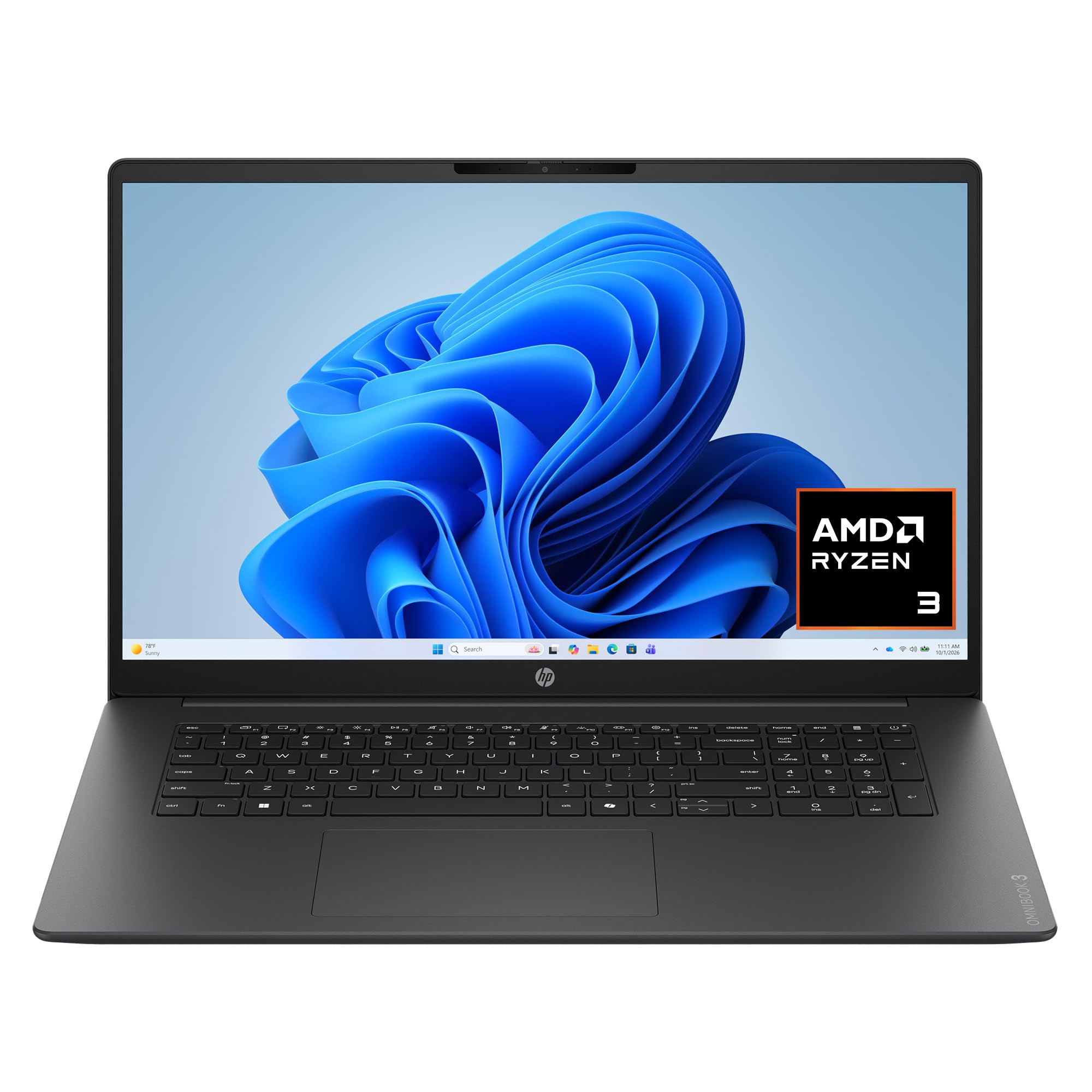 |
AMD Ryzen 3 30 (up to 4.1 GHz) | 8 GB LPDDR5 | 17.3 Inches, FHD (1920 x 1080), IPS | N/A |
| Apple 2026 MacBook Neo 13-Inch |
 |
Apple A18 Pro | 8 GB Unified | 13 Inches, Liquid Retina, 2408 x 1506 | Up to 16 hours video streaming |
| Acer Aspire Go 15 |
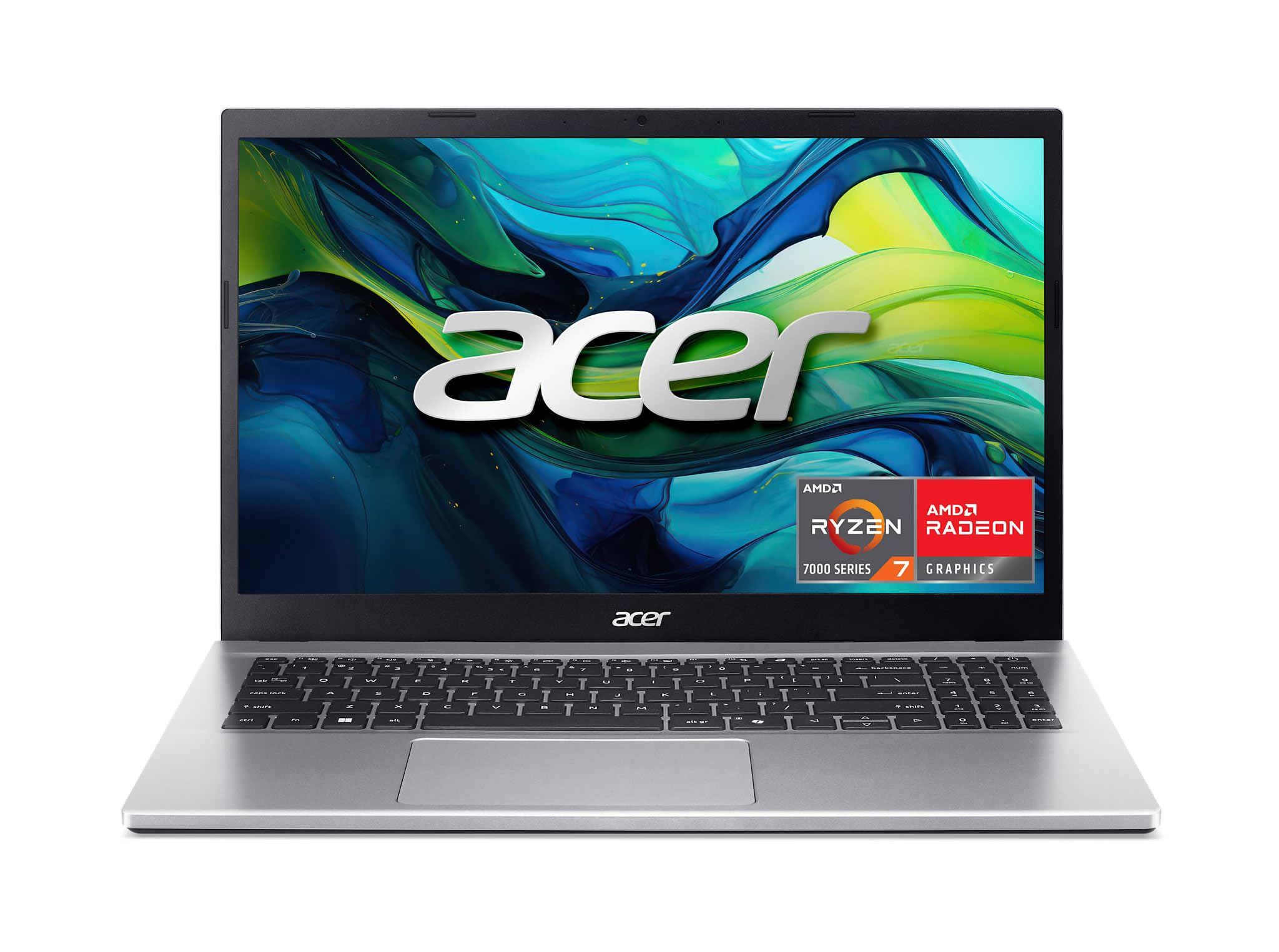 |
AMD Ryzen 7 7730U | 16 GB DDR4 | 15.6 Inches, FHD (1920 x 1080), IPS | N/A |
| Apple 2026 MacBook Air 13-Inch |
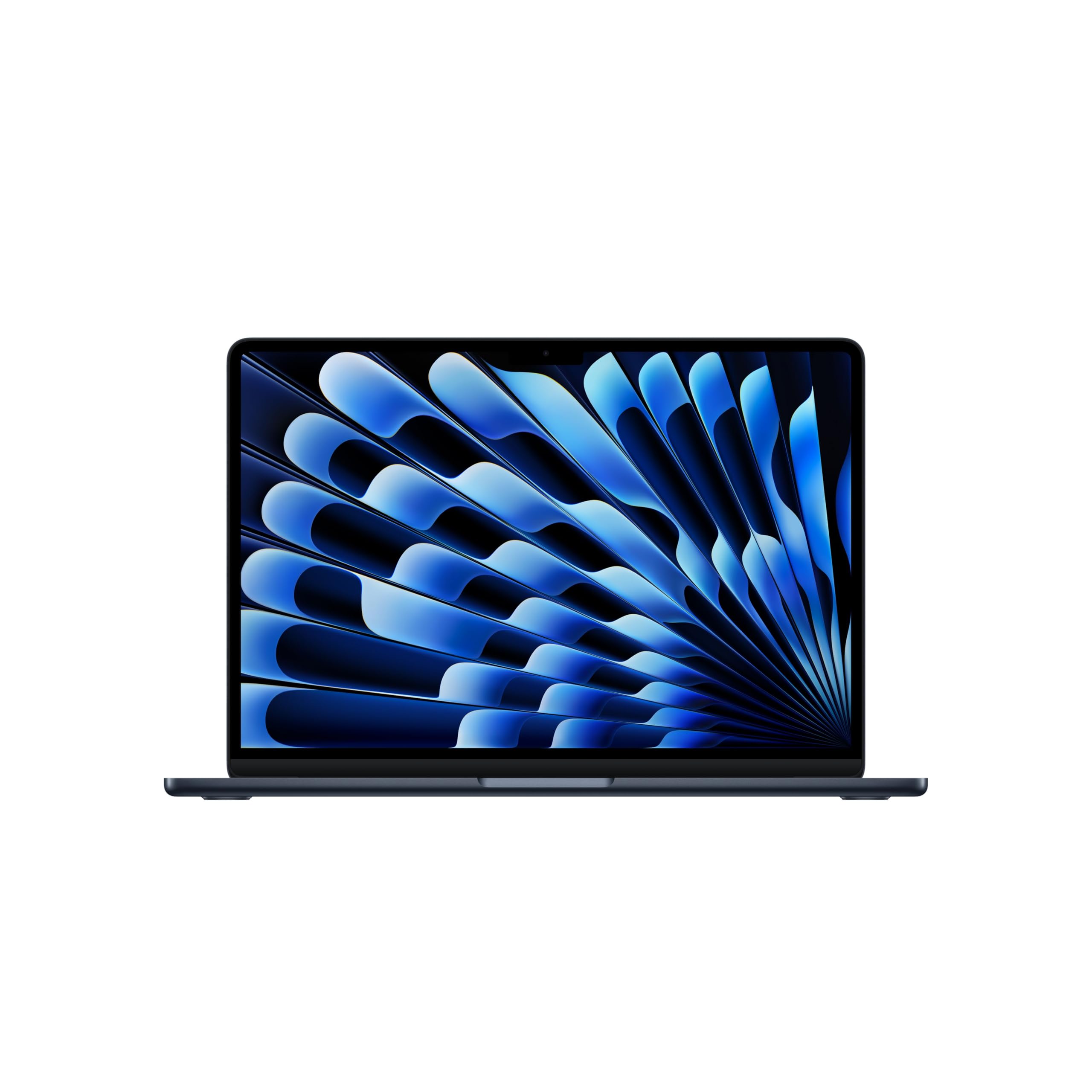 |
Apple M5 | 16 GB Unified | 13.6 Inches, Liquid Retina, 2560 x 1664 | Up to 18 hours video streaming |
| Apple 2025 MacBook Pro 14-Inch |
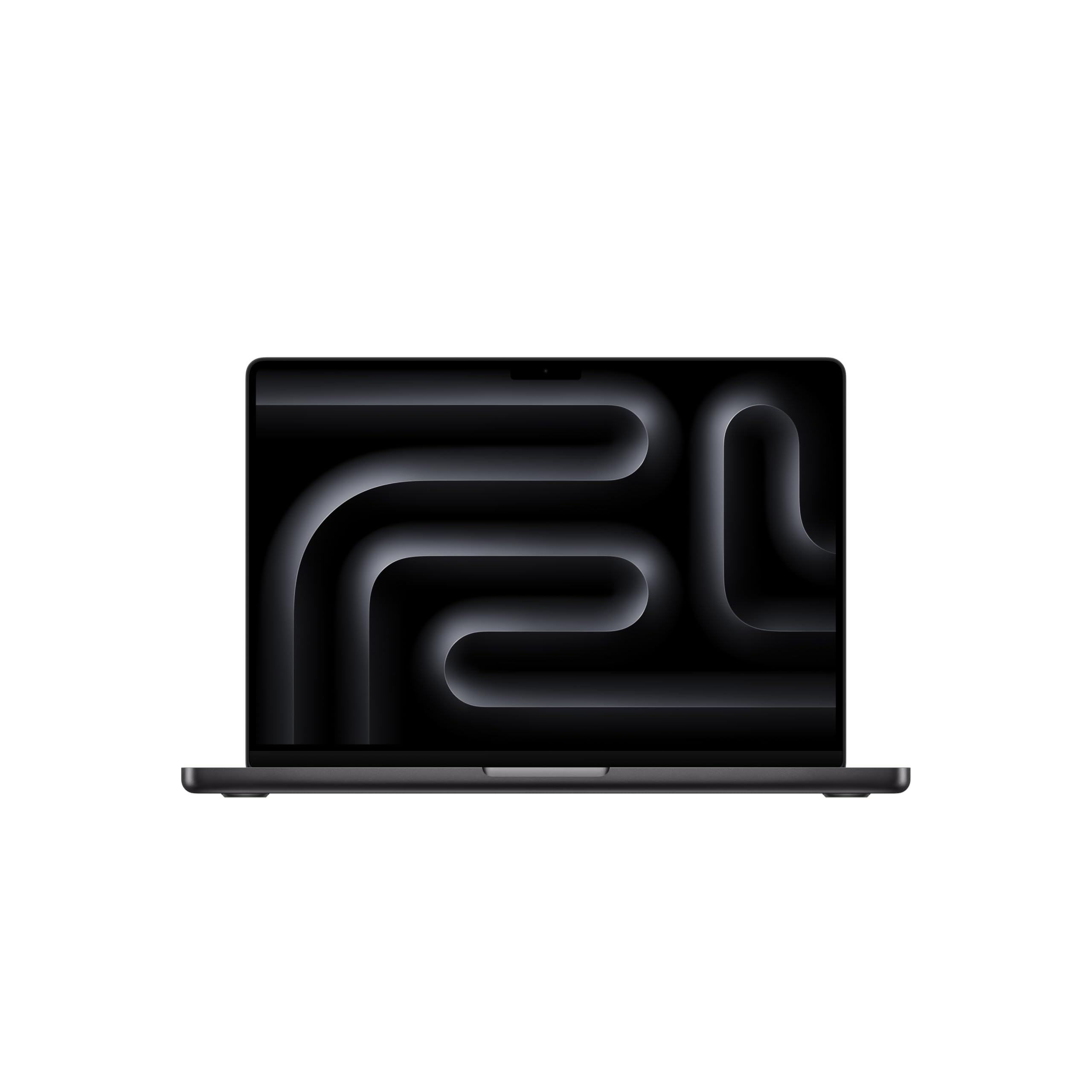 |
Apple M5 | 24 GB Unified | 14.2 Inches, Liquid Retina XDR, 2304 x 1964 | Up to 24 hours video streaming |
| HP 17.3″ FHD Business Laptop |
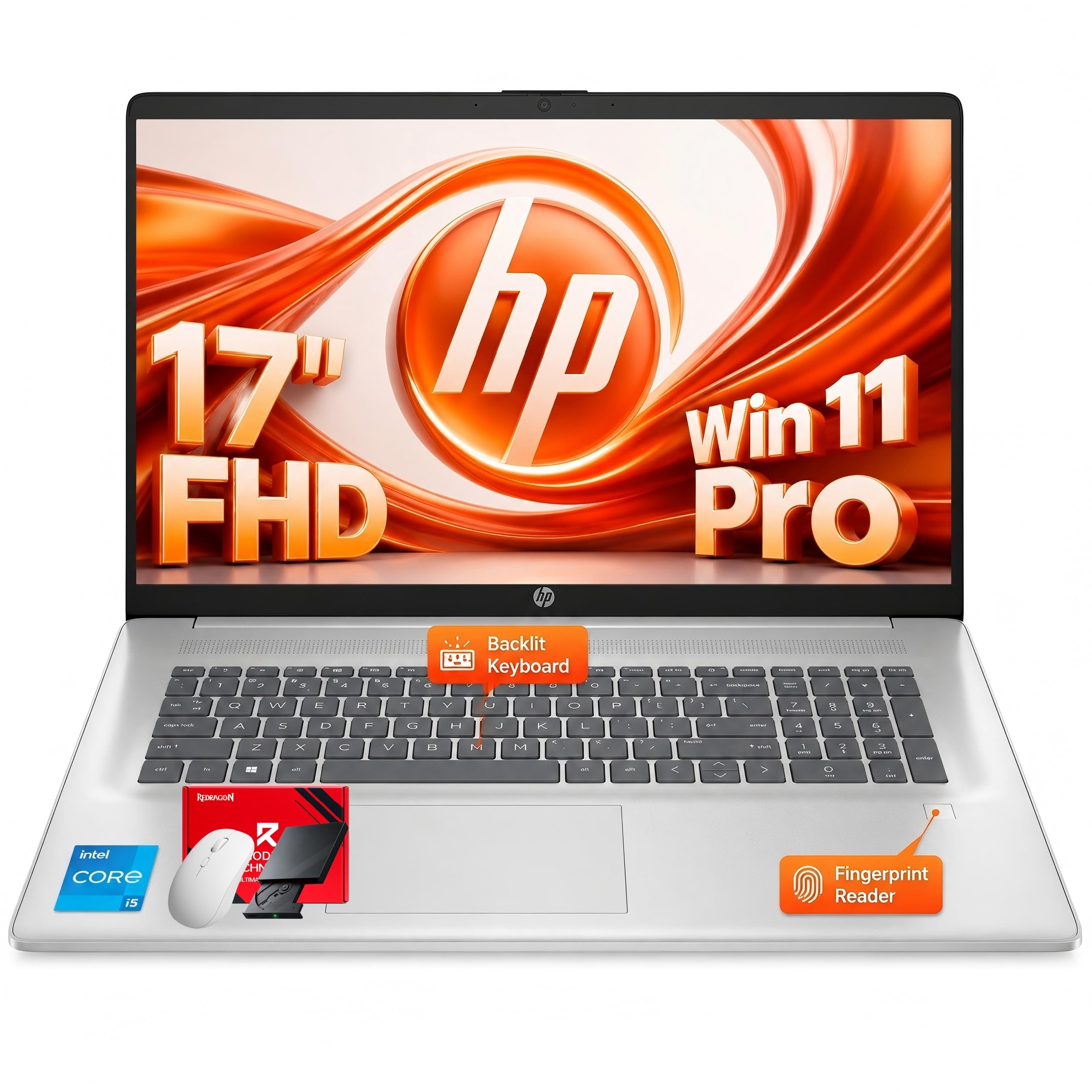 |
Intel Core i5-1334U (Up to 4.6 GHz) | 32 GB DDR4 | 17.3 Inches, FHD (1920 x 1080), Anti-Glare | 8 Hours |
| HP 2026 Ultrabook Laptop |
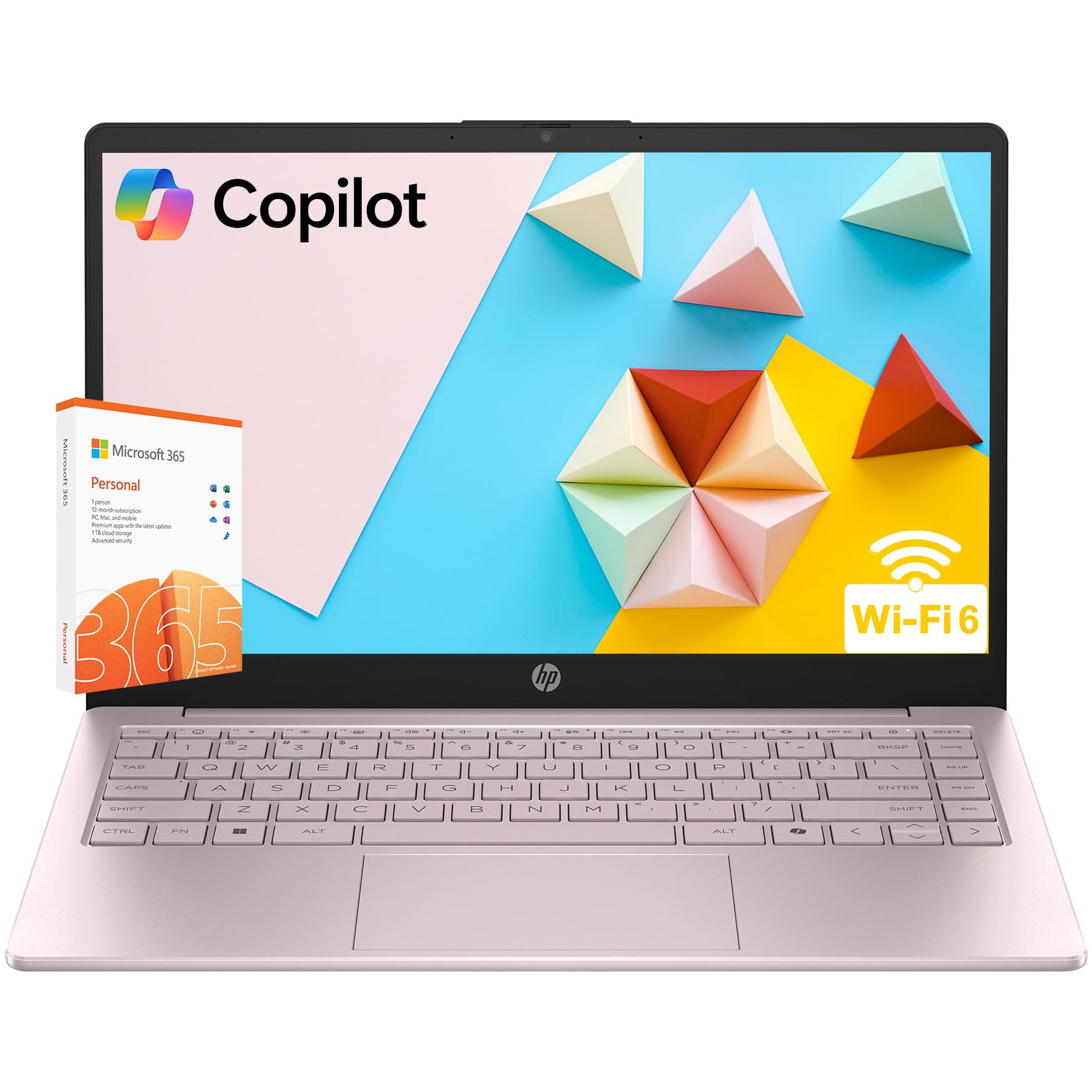 |
Intel N150 (Quad-Core, up to 3.6 GHz) | 8 GB DDR4 | 14 Inches, HD (1366 x 768), Anti-Glare | N/A |
| Acer Aspire 2026 AI Laptop |
 |
Intel Core Ultra 7 258V (up to 4.8 GHz) | 32 GB RAM | 14 Inches, WUXGA (1920 x 1200), Touchscreen | N/A |
| Lenovo IdeaPad Slim 3i |
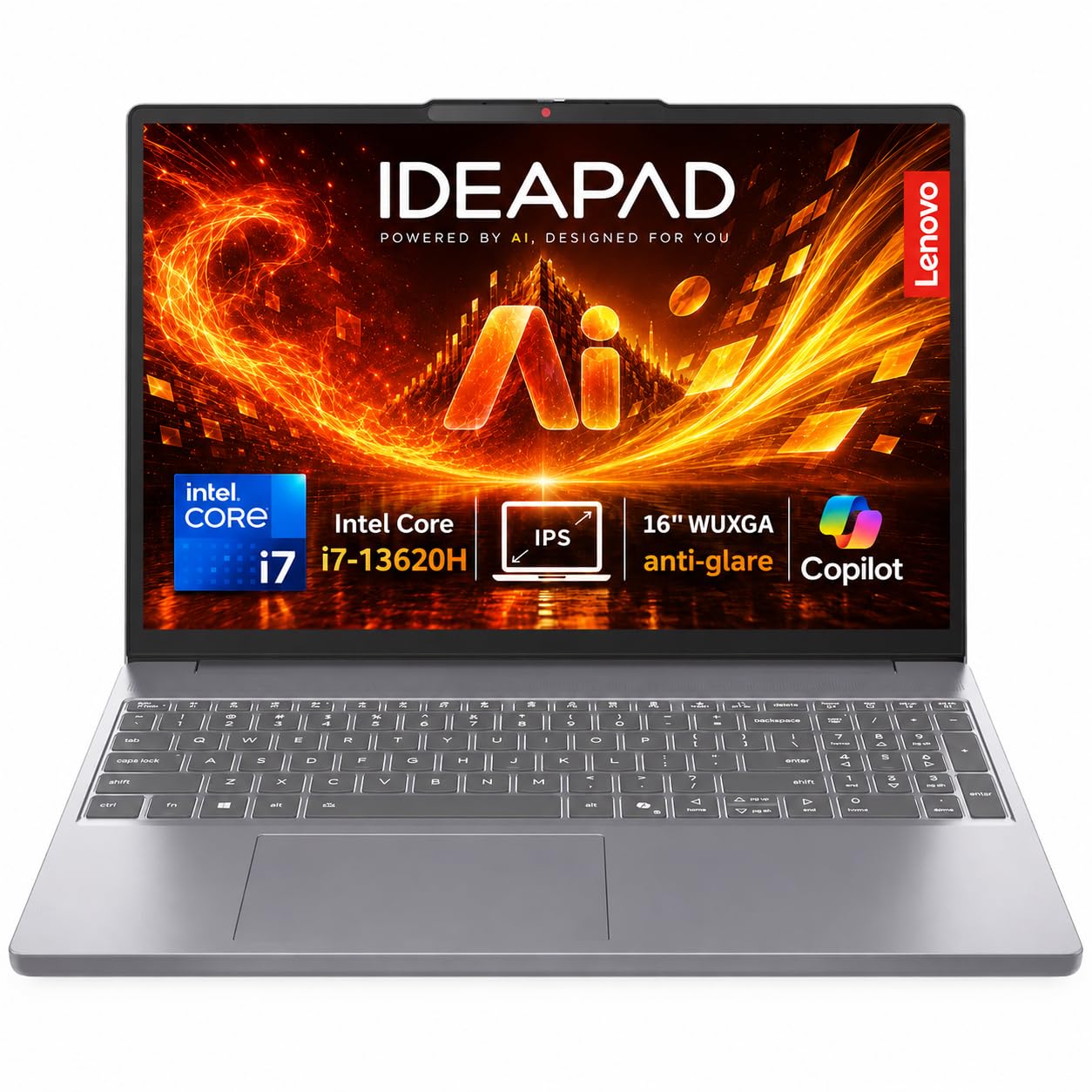 |
Intel Core i7-13620H (up to 4.9 GHz) | 16 GB DDR5 | 15.3 Inches, WUXGA (1920 x 1200), Anti-glare | Up to 8 Hours |
| Lenovo Yoga 7 2-in-1 Laptop |
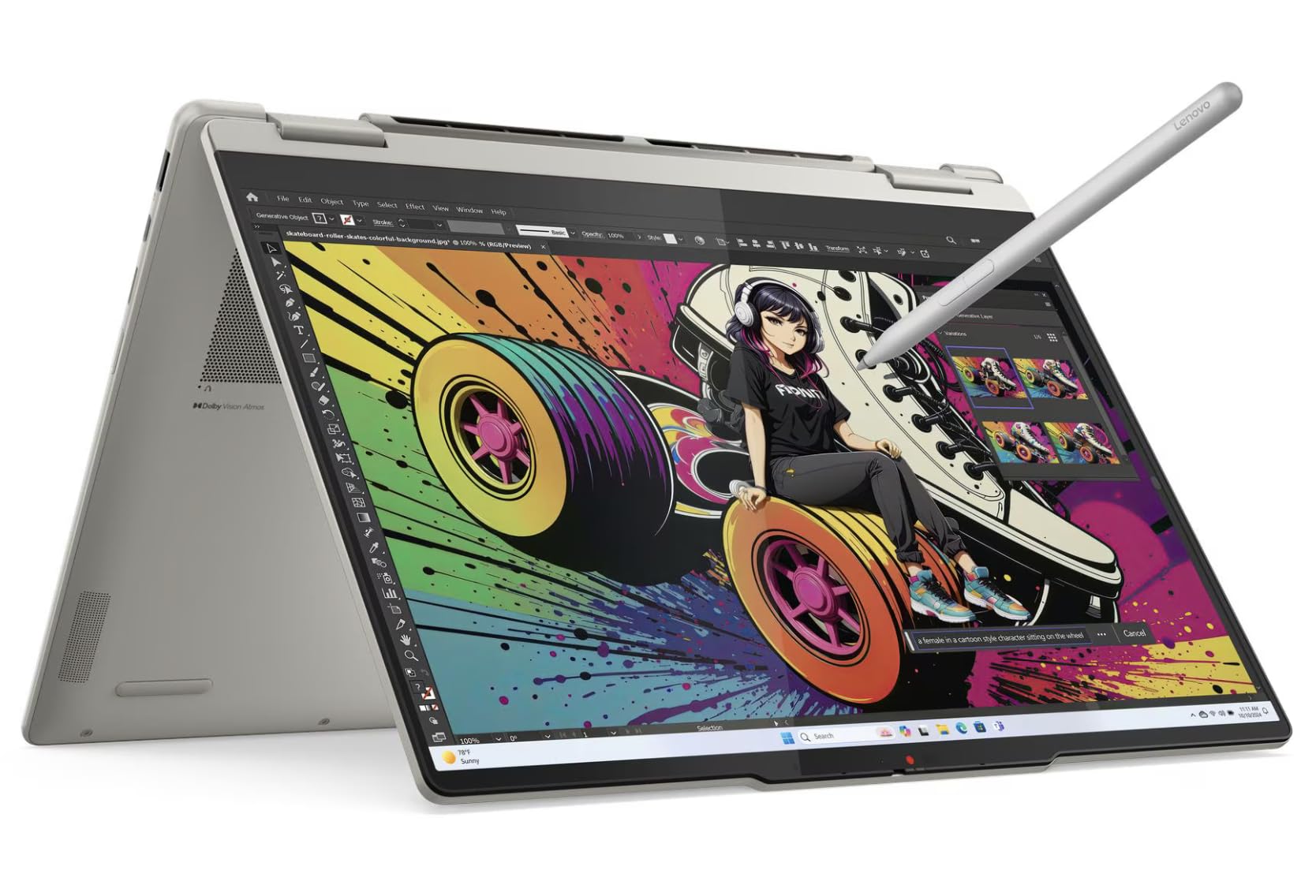 |
AMD Ryzen 5 340 (Up to 4.8 GHz) | 16 GB | 14 Inches, WUXGA (1920 x 1200), OLED Touch | N/A |
| Dell Latitude 5330 2-in-1 Touchscreen |
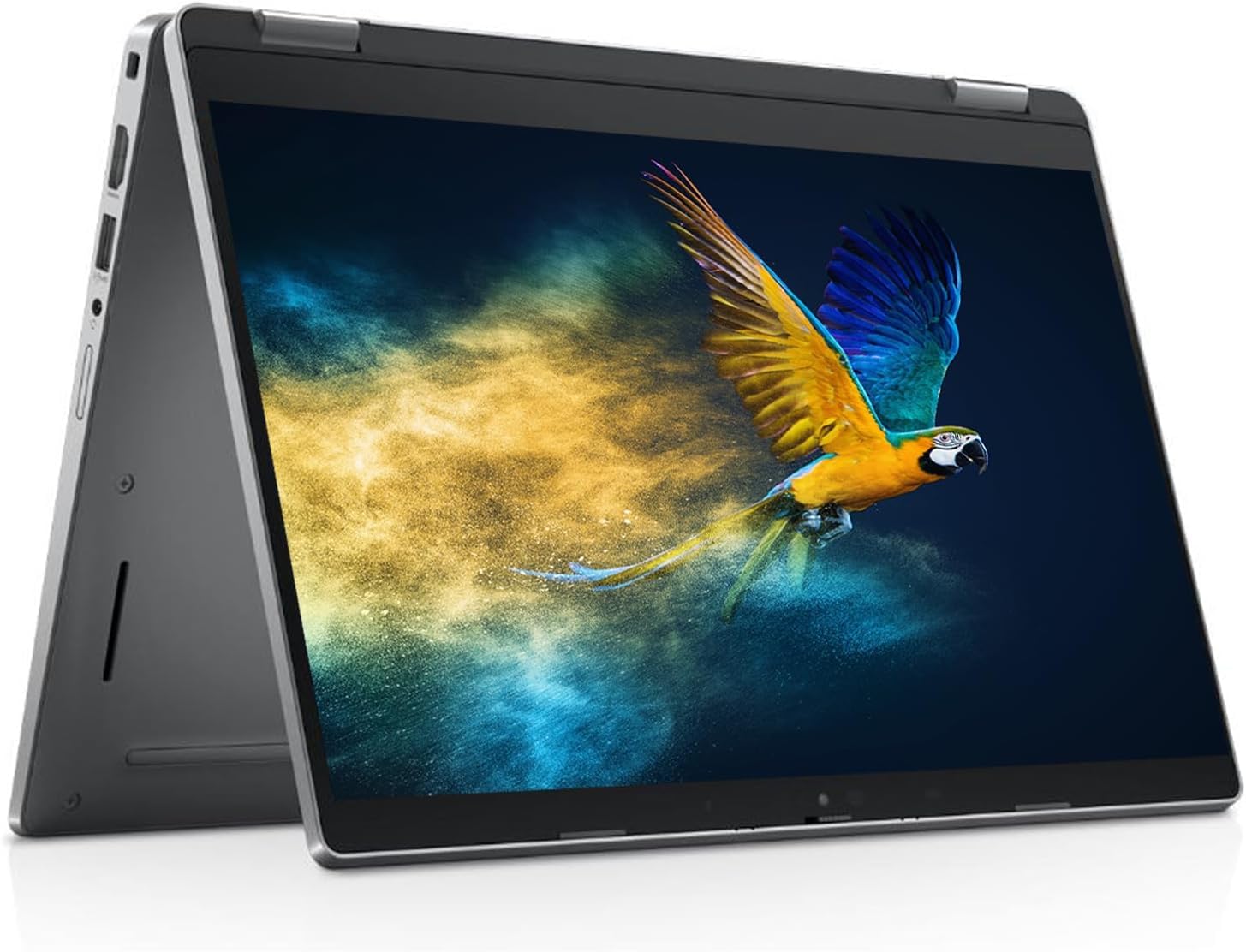 |
Intel Core i7-1265U (up to 4.8 GHz) | 32 GB | 13.3 Inches, FHD (1920 x 1080), Touchscreen | N/A |
| HP OmniBook X 14 Inch AI PC |
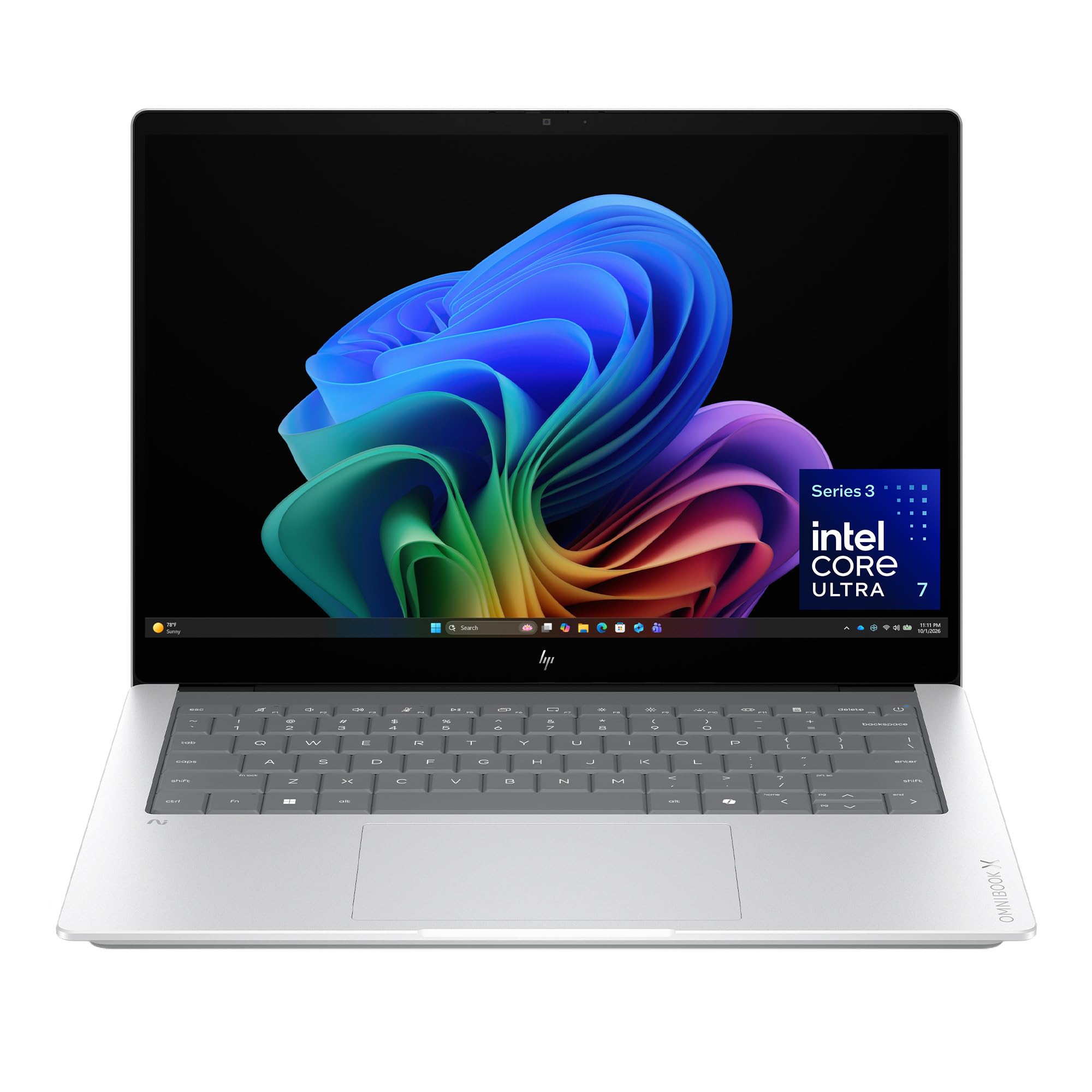 |
Intel Core Ultra 7 356H (up to 4.7 GHz) | 24 GB | 14 Inches, 3K (2880 x 1800), OLED Touchscreen | N/A |
This Roundup is reader-supported. When you click through links we may earn a referral commission on qualifying purchases.