I know choosing a laptop for biotechnology or biomedical studies can feel overwhelming because you need a machine that handles data analysis, image processing, virtual labs, and everyday coursework. I focus on practical tradeoffs like processing power, memory, storage, display clarity, battery life, and platform compatibility so you can pick a laptop that supports your classes and research. My goal is to help you find a device that makes workflows smoother, whether you run bioinformatics pipelines, analyze microscopy images, or take notes in lectures.
Top Picks
|
Category |
Product |
Score |
|---|---|---|
|
🏆 Best Overall |
96/100 |
|
|
🚀 Best for AI Performance |
92/100 |
|
|
💰 Best Value Mac |
89/100 |
|
|
🎯 Best for Multitasking |
88/100 |
|
|
🔰 Best Large Display |
83/100 |
|
|
💼 Best Lightweight Chromebook |
76/100 |
|
|
🎒 Best Student Pick |
75/100 |
How I Picked These Laptops
I evaluated laptops with the needs of biotech and biomedical students in mind, prioritizing CPU and memory for data analysis, fast NVMe storage for large datasets, and a screen that makes images and plots readable. I also weighed portability and battery life for long lab days and lectures, connectivity for external monitors and lab instruments, operating system compatibility with common bioinformatics tools, and real-world value for students on a budget. Reviews, specifications, and typical student workflows helped me balance raw performance with price and portability.
I find the MacBook Air a great balance of power and portability for biotech and biomedical students. The M5 chip and 16GB of unified memory keep data analysis, image review, and multitasking smooth, while the Liquid Retina screen makes microscropy images and figures easy to read.
It’s light enough to carry between lab and lecture, but substantial enough for occasional video editing or running computational notebooks. I’d recommend it if you want a machine that feels premium, lasts through long days, and plays nicely with other Apple devices.
Long-Term Cost Benefits
Because it’s well built and holds value, I expect fewer replacements and better resale down the line. The solid-state storage and efficient power use also mean it stays useful across several years of coursework and early research projects.
Situational Benefits
|
Situation |
How It Helps |
|---|---|
|
Bioinformatics Workflows |
I can run local Jupyter notebooks, lightweight sequence analyses, and small- to medium-sized datasets quickly thanks to the M5 chip and fast SSD. |
|
Microscopy and Image Review |
The bright, color-accurate Liquid Retina display makes it easier for me to inspect images and prepare figures for reports or presentations. |
|
Lectures and Remote Labs |
Battery life and a clear webcam mean I can follow long online labs or join video calls without hunting for an outlet. |
|
On-the-Go Field Work |
Its light weight and robust build let me take notes, sync data, and run quick analyses while moving between sites or labs. |
Educational Value
I use it for writing lab reports, running analysis notebooks, and organizing literature. macOS has a solid set of native apps and cross-platform tools, so I can collaborate with classmates and run many common bioinformatics tools either natively or via containers.
Versatility
It’s versatile for coursework, presentations, light video work, and running development environments. The Thunderbolt ports and external display support also mean I can expand into dual-screen setups for data-heavy tasks.
Practicality
MagSafe charging, Touch ID, and two Thunderbolt 4 ports make daily use smooth. I appreciate the combination of a quiet fanless design and useful connectivity for drives and peripherals.
Travel Friendliness
At about 2.7 pounds and with long battery life, it’s easy to toss into a backpack and go. The slim profile and durable build make it one of my go-to choices when I need a reliable machine away from my desk.
Performance & Speed
The M5 chip plus unified memory delivers snappy app launches, fast file transfers on the SSD, and responsive multitasking. For heavier computational pipelines I pair it with cloud or lab workstations, but for most student tasks it feels brisk and reliable.
Key Benefits
- Strong M5 performance for analysis and multitasking
- 16GB unified memory keeps multiple apps responsive
- High-quality Liquid Retina display for images and plots
- Long battery life that covers lecture and lab sessions
I appreciate the MacBook Neo as a compact, capable option for students who want a Mac experience without a heavier price tag. The A18 Pro chip and responsive SSD make everyday tasks feel quick, and the 13-inch Liquid Retina display is surprisingly clear for reading papers and inspecting figures.
It’s lightweight and pairs seamlessly with iPhone workflows, so I use it for lecture notes, literature review, and polishing presentations when I’m between labs.
Long-Term Cost Benefits
The build quality and regular macOS updates mean the Neo can remain useful across several academic years, reducing the need for early replacement. A durable chassis and efficient components also tend to hold resale value better than cheaper alternatives.
Situational Benefits
|
Situation |
How It Helps |
|---|---|
|
Daily Coursework |
I can toggle between browsers, PDFs, and note-taking apps without slowdowns, and the snappy SSD speeds up file access. |
|
Virtual Labs and Calls |
The 1080p FaceTime camera and clear speakers make group calls and remote lab meetings easier to follow and participate in. |
|
Preparing Figures and Slides |
The display’s color and sharpness help me check images and layouts before submitting reports or presenting. |
|
Working On The Go |
Its light weight and decent battery life let me move between lectures, the library, and the lab without hunting for an outlet. |
Educational Value
I use it for drafting lab reports, organizing references, and running lightweight analysis or notebooks. The Apple ecosystem simplifies syncing notes and files across devices, which helps keep study materials organized.
Versatility
It handles writing, data exploration, presentation prep, and light media tasks comfortably. The USB-C ports allow me to connect an external monitor or drives when I need extra screen space for data work.
Practicality
The keyboard and trackpad make writing long reports less fatiguing, and Touch ID speeds up logins. One USB‑C port supports charging and external displays, keeping my desk setup tidy.
Travel Friendliness
At around 2.7 pounds and with battery life rated for full study days, I can carry it between classes or field visits without feeling weighed down. The rigid chassis also stands up to daily bumps in a backpack.
Performance & Speed
The A18 Pro delivers responsive performance for browsing, analysis of small to medium datasets, and multitasking. For heavier simulations I rely on lab workstations or cloud compute, but for most student workloads this feels quick and reliable.
Key Benefits
- Solid A18 Pro performance for everyday workloads
- Crisp Liquid Retina display for figures and slides
- Lightweight aluminum chassis that’s easy to carry
- Good battery life for a full day of classes and study
- Seamless integration with other Apple devices
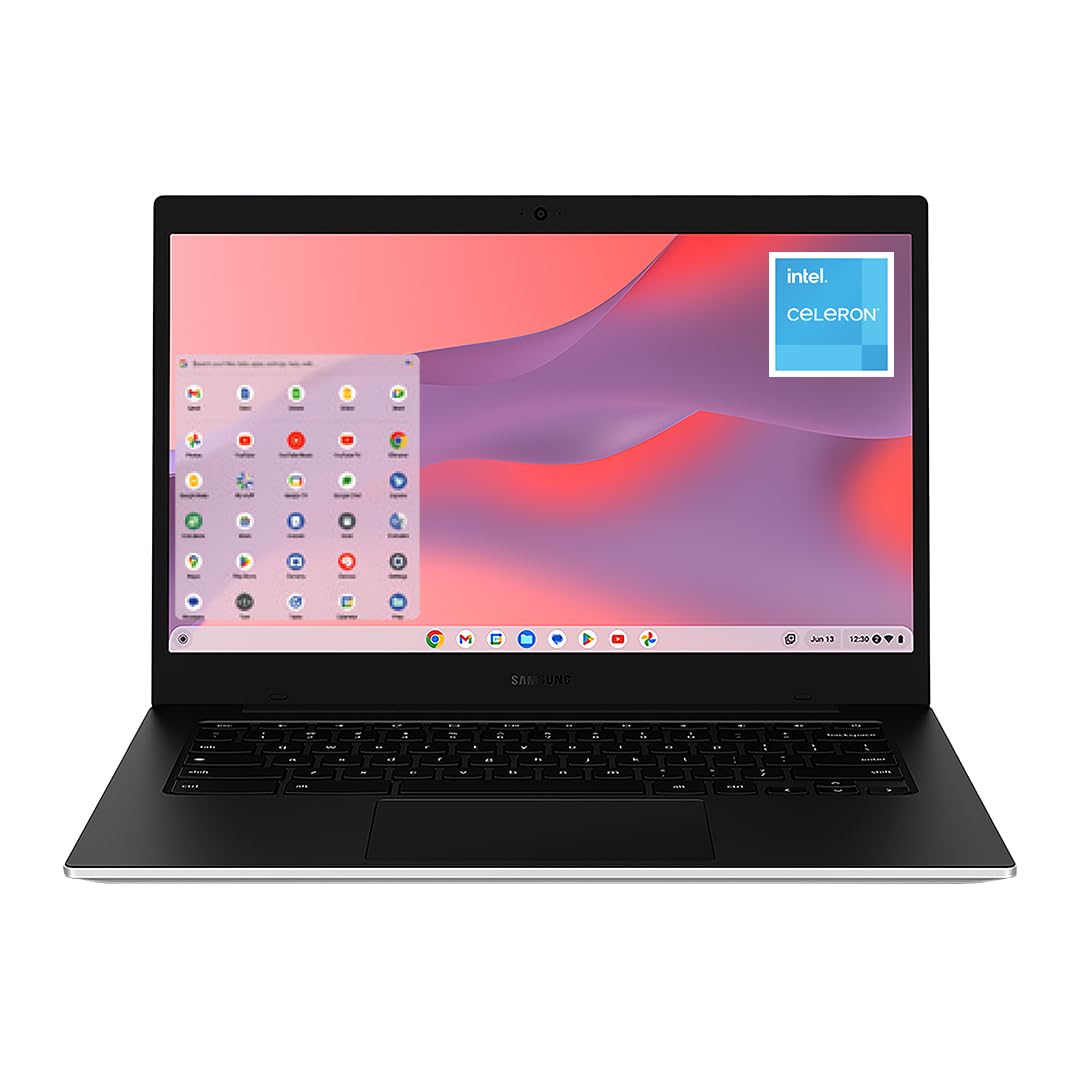
I reach for the Galaxy Chromebook when I need a fuss-free, portable companion for classes and study sessions. It boots fast, stays light in a backpack, and the 14-inch screen is comfortable for reading papers and working in Google Docs. I rely on it for cloud-based analysis, accessing remote lab machines, and keeping notes and references organized.
It won’t replace a lab workstation for heavy computation, but for everyday coursework and on-the-go research tasks it hits the right balance.
Long-Term Cost Benefits
Because it leans on web apps and cloud tools, the Galaxy Chromebook remains useful even as software shifts. Its straightforward maintenance and modest hardware needs typically translate to lower upkeep and fewer compatibility headaches over time.
Situational Benefits
|
Situation |
How It Helps |
|---|---|
|
Lecture Notes & Research |
I take notes in Google Docs, pull up journal articles, and organize references without wasting time on updates or long boot cycles. |
|
Cloud-Based Analysis |
For Jupyter notebooks or Google Colab sessions I connect to remote kernels and run heavier pipelines off-device while using the Chromebook as a lightweight terminal. |
|
Field Work & Libraries |
The thin profile and long battery life let me log observations, sync datasets, and sketch ideas between sites without hunting for outlets. |
|
Group Projects and Calls |
Quick startup and stable Wi‑Fi make it easy to join video meetings and collaborate on shared docs with classmates. |
Educational Value
I use it to write reports, manage citations via web-based tools, and connect to institutional resources. Its focus on browser-first apps aligns well with most course platforms and many modern bioinformatics tutorials.
Versatility
It handles document editing, literature search, cloud notebooks, and light image viewing. Android app support and multiple USB/HDMI options add flexibility when I need extra functionality.
Practicality
A simple, low-maintenance machine with enough ports to plug in a mouse, external drive, or HDMI display. The Chromebook approach reduces time spent on updates and troubleshooting.
Travel Friendliness
Weighing about 3.2 pounds with around 12 hours of battery life, it’s easy to carry between labs, classes, and campus spots while staying usable for a full day.
Performance & Speed
The Celeron N4500 and 4GB RAM are tuned for web tasks and light multitasking. For heavier analyses I connect to lab servers or use cloud compute, but day-to-day workflows feel responsive.
Key Benefits
- Very portable 14-inch design that fits easily into a backpack
- Long battery life that gets through full study days
- ChromeOS ecosystem makes syncing notes and cloud work painless
- Simple, low-maintenance setup for classes and online tools
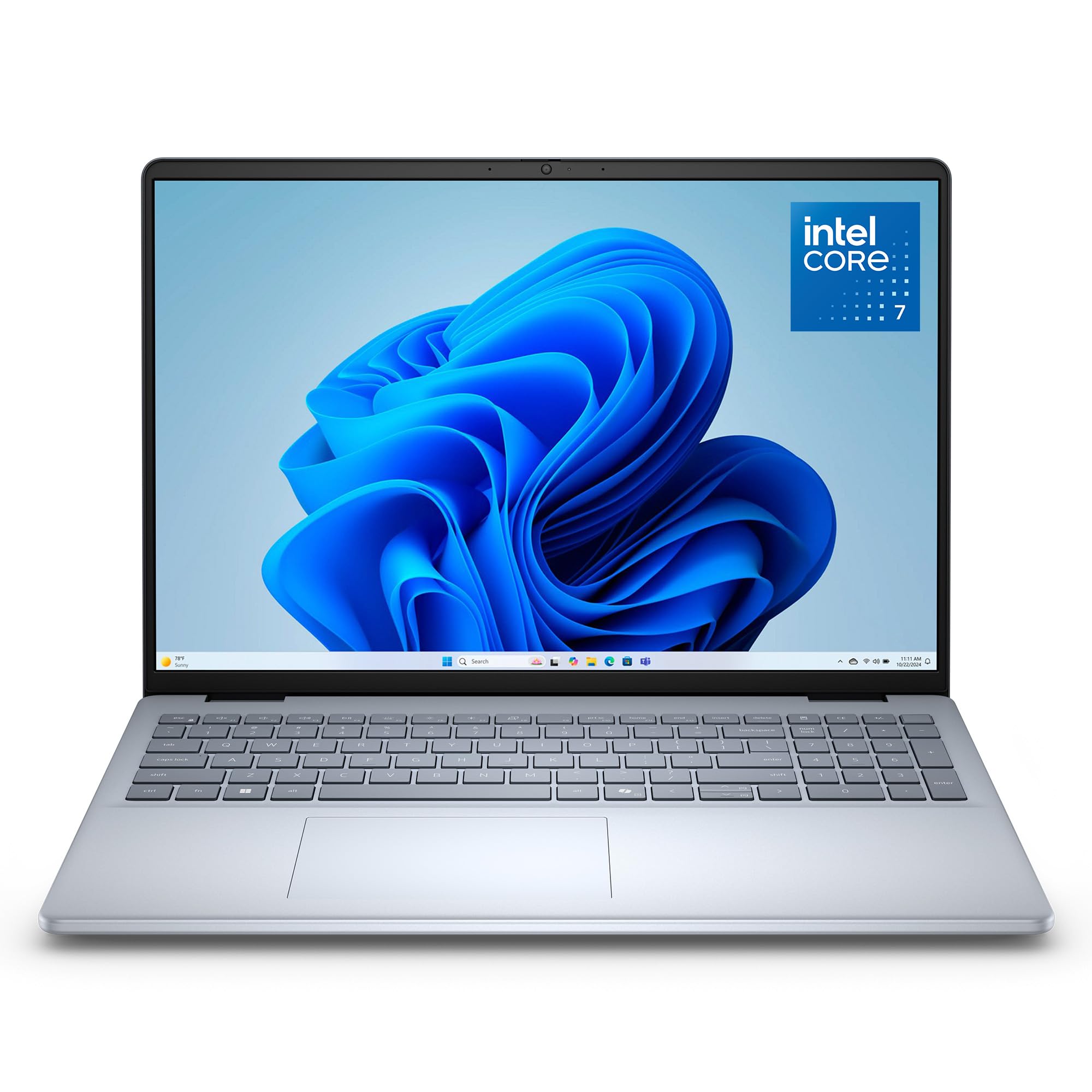
I reach for the Dell 16 when I need a spacious screen and a comfortable keyboard for long data analysis sessions. The 16:10 2K display gives me room to tile windows and view plots without constant zooming, and the touchscreen can be handy when sketching ideas or annotating images.
It feels solid on a desk, and the fingerprint reader and backlit keys speed up everyday tasks. For students who like a near-desktop experience in a laptop, this one balances screen real estate and portability in a way that suits lab reports, presentations, and spreadsheet work.
Long-Term Cost Benefits
A sturdy chassis and upgrade-friendly components mean the laptop can remain practical for several years of coursework and early research, and on-site service options help minimize downtime during critical semesters.
Situational Benefits
|
Situation |
How It Helps |
|---|---|
|
Data Analysis and Coding |
The larger screen and 16GB RAM let me keep IDEs, terminal windows, and plots open simultaneously without constant window switching. |
|
Figure Preparation |
The 2K display makes fine image details and color variations easier to spot when assembling figures for reports or posters. |
|
Hybrid Classes and Meetings |
A built-in webcam, decent speakers, and backlit keyboard make long remote labs or group presentations more manageable. |
|
Docked Lab Workstation |
Plenty of ports and HDMI output let me dock to external displays and peripherals to recreate a desktop-like workspace for heavier analysis. |
Educational Value
I use it for writing lab reports, running statistical packages on medium datasets, and keeping multiple reference PDFs visible while I work. The screen size and storage help reduce friction when juggling course materials and project files.
Versatility
It works well for writing, data exploration, light image editing, presentations, and multimedia. The touchscreen and card reader add flexibility when transferring data from instruments or cameras.
Practicality
Anti-glare finish, a numeric keypad, and fingerprint sign-in keep everyday use smooth. The mix of USB and HDMI ports makes connecting lab hardware and external drives straightforward.
Travel Friendliness
At about 4.18 pounds it’s not the lightest option, so I treat it as a ‘portable desktop’—easy to move between home, lab, and campus but bulkier than ultra-light notebooks.
Performance & Speed
With an Intel Core 7 and fast DDR5 memory, it feels responsive for compiling code, running moderate analyses, and handling many browser tabs and apps at once. For very large computations I still lean on lab servers or cloud instances.
Key Benefits
- Large 16:10 2K touchscreen for clearer plots and side-by-side windows
- 16GB DDR5 and 1TB SSD for responsive multitasking and ample local storage
- Robust build with aluminum cover and thoughtful input features
- Useful ports and memory card slot for instruments and media
- Backlit keyboard and fingerprint reader for faster, secure logins
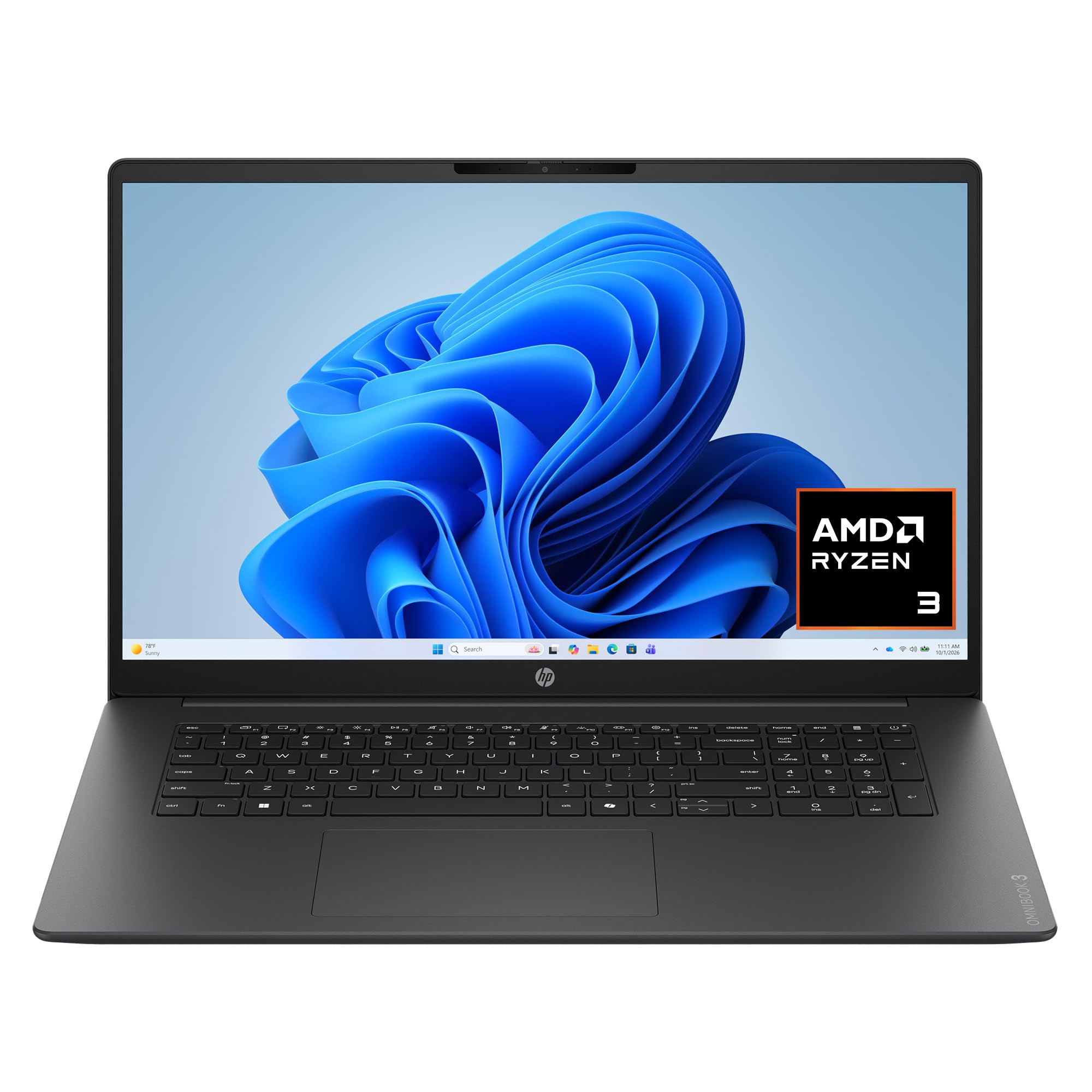
I reach for the OmniBook when screen space matters. The 17.3-inch FHD display gives me room to keep papers, code, and figures visible at once, and the roomy keyboard makes long write-ups less tiring. It’s built as a dependable everyday machine: fast SSD storage, a capable Ryzen chip for routine analysis, and a good set of ports for hooking up instruments or external monitors. It’s not a desktop replacement for heavy simulations, but for lab reports, data exploration, and virtual meetings it’s a comfortable and practical choice.
Long-Term Cost Benefits
The combination of an SSD, standard ports, and a repair-friendly design helps keep this laptop functional through several academic years. Fast storage and up-to-date connectivity reduce the need for frequent upgrades, and the inclusion of quality components tends to lower total upkeep time.
Situational Benefits
|
Situation |
How It Helps |
|---|---|
|
Writing Lab Reports |
The large display and comfortable keyboard let me draft and format long documents while keeping reference PDFs open on the side. |
|
Data Exploration |
I can run medium-sized analyses locally and keep plots visible without constantly switching windows, thanks to the screen real estate and responsive SSD. |
|
Remote Classes and Group Calls |
The 1080p camera and integrated mics make it easier to follow demonstrations and present results during virtual lab sessions. |
|
Connecting Lab Peripherals |
HDMI 2.1, multiple USB ports, and high-speed USB‑C let me plug in monitors, external drives, or data-collection devices without adapters getting in the way. |
Educational Value
I use it to store datasets, run statistical packages on moderate workloads, and manage reference libraries. The larger screen helps when comparing methods or annotating figures for presentations and posters.
Versatility
It handles document work, coding, light image editing, and video calls, and the I/O options let me turn it into a docked workstation when I need extra screens for analysis.
Practicality
Fast SSD, anti-glare FHD screen, and a variety of ports make day-to-day tasks smooth. The quick-charge adapter also helps when I need a fast top-up between sessions.
Travel Friendliness
At around 4.4 pounds it’s heavier than ultraportables, so I treat it as a mobile desktop—easy to move between home, lab, and campus but not ideal for all-day travel pockets.
Performance & Speed
The Ryzen 3 30 paired with LPDDR5 and an NVMe SSD offers snappy responsiveness for multitasking, document processing, and medium-scale data work. For very large pipelines I still prefer lab servers or cloud compute, but everyday student workloads feel quick.
Key Benefits
- Large 17.3″ FHD display that reduces scrolling and helps with side-by-side windows
- 512GB PCIe NVMe SSD for quick file access and fast boot times
- Modern I/O including HDMI 2.1 and USB‑C 10Gbps for easy docking
- Comfortable keyboard and 1080p camera that aid long lab meetings and report writing
- Built with recycled materials, which is a small win for sustainability
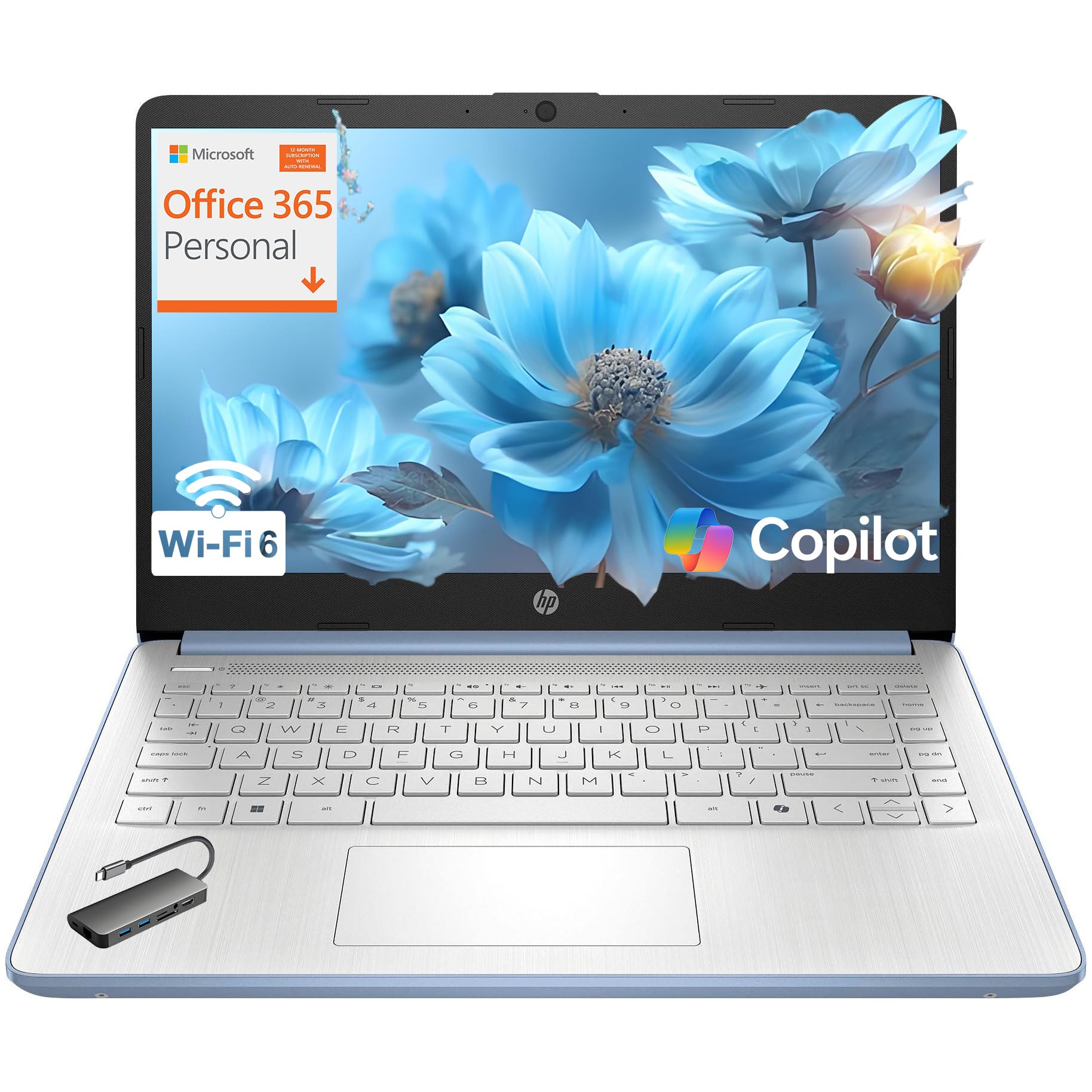
I turn to the HP 14 when I want a simple, stylish machine that covers classes, note-taking, and light analysis without fuss. The 14-inch display is easy to read during long study sessions, the keyboard is comfortable for drafts and lab notes, and the included webcam and Wi‑Fi 6 make video labs and group meetings straightforward. It’s not designed for heavy simulations, but for juggling documents, browsing literature, and running web-based tools it makes campus life easier.
Long-Term Cost Benefits
Low-maintenance software and modest hardware needs usually mean fewer support issues and a longer useful life for basic student tasks, reducing the chance you’ll replace it mid-degree.
Situational Benefits
|
Situation |
How It Helps |
|---|---|
|
Lecture Notes |
I can type fast, split the screen between slides and notes, and keep research tabs open without the system feeling sluggish. |
|
Remote Labs and Calls |
The webcam and stable wireless make it easy to join synchronous sessions and share my screen during group work. |
|
Reference Management |
Web-based citation tools and PDF readers run smoothly, so I can organize references and highlight important passages while I read. |
|
Light Field Work |
Its compact size and battery endurance let me record observations, sync notes, and access cloud datasets between sites. |
Educational Value
I use it for drafting lab reports, managing presentations, and following tutorials. Its compatibility with mainstream course platforms and cloud tools keeps my study workflow consistent across devices.
Versatility
It handles document editing, web-based notebooks, video calls, and basic image viewing. The USB and HDMI options let me attach peripherals or a second screen when projects need more space.
Practicality
A full-size keyboard and standard ports make day-to-day tasks effortless, and preinstalled utilities simplify setup so I spend less time on maintenance and more on coursework.
Travel Friendliness
At roughly 3.1 pounds and a slim profile, it slips into my backpack easily and lasts through typical class schedules, which is handy when I move between labs and study spots.
Performance & Speed
The Intel N-series and 8GB of RAM deliver responsive performance for browsing, document work, and light multitasking. For heavy compute I connect to lab servers or cloud resources, but most student tasks feel smooth.
Key Benefits
- Lightweight, portable design that’s easy to carry between classes
- 8GB RAM and UFS storage for snappy everyday responsiveness
- 14-inch IPS display with anti-glare for reading PDFs and slides
- Windows 11 S provides a focused, low-maintenance environment
- Good battery life for typical lecture and study days
I reach for the Aspire 14 when I want a fast, flexible laptop that helps with both everyday study and occasional AI-assisted tasks. The combination of a Core Ultra processor, dedicated Arc graphics, and an NPU makes interactive analyses and on-device model tasks feel smoother than on a typical student machine. The screen is a good size for data plots and multitasking, and the build feels solid without being bulky, so it easily moves between lab benches and coffee shops.
For students who want a Windows machine that can handle visualization, light model inference, and long sessions away from an outlet, this one strikes a useful balance.
Long-Term Cost Benefits
The strong connectivity and modern silicon help keep the laptop relevant as software shifts toward AI-assisted tools. Durable build quality and ample local storage reduce the need for early upgrades and make it easier to rely on this machine through multiple semesters.
Situational Benefits
|
Situation |
How It Helps |
|---|---|
|
On-Device AI Assistance |
I can run lightweight inference locally for tasks like quick image segmentation previews or note summarization without always relying on cloud credits. |
|
Data Visualization |
The dedicated GPU and crisp WUXGA screen make plotting and interactive visual tools feel more fluid when I compare datasets or tweak figures. |
|
Field Notes & Syncing |
Long battery life and Wi‑Fi 6E let me collect observations, sync data to cloud storage, and keep working between sites without frequent recharges. |
|
Docked Lab Work |
Multiple high-speed ports and HDMI output let me connect to external monitors and instruments to recreate a desktop workflow for heavier analysis. |
Educational Value
I use it to run interactive notebooks, visualize results, and experiment with small machine learning workflows. The AI features are useful for speeding up repetitive tasks like summarizing papers or extracting key points from datasets.
Versatility
It handles coding, visualization, media work, and AI-assisted productivity, and the port selection makes it easy to expand into dual-monitor setups or connect lab peripherals when needed.
Practicality
Backlit keyboard, solid thermal behavior, and straightforward I/O make daily use painless. The laptop boots quickly and stays quiet during light-to-moderate workloads, which helps during long study sessions.
Travel Friendliness
Weighing just over 3 pounds and offering very long battery life, it slips into my bag without much fuss and lasts through multi-location study days or short field trips.
Performance & Speed
The Core Ultra 7 plus a capable NPU and Arc graphics deliver snappy app responsiveness, fast file transfers on the SSD, and smooth handling of multiple browser tabs, notebooks, and visualization tools.
Key Benefits
- AI-capable NPU and dedicated GPU boost on-device model tasks
- 16GB LPDDR5X and 1TB SSD for responsive multitasking and storage
- Very long battery life for extended field or study days
- Light, solid chassis that’s easy to carry
- Plenty of ports including Thunderbolt-style connections for docking
FAQ
What Specs Should I Prioritize For Biotechnology Or Biomedical Work?
I focus first on the fundamentals that actually affect daily work: a modern multicore CPU, fast storage, and enough memory. In practical terms I look for SSD storage for quick file access, and at least 16GB of RAM if you plan to run local analyses or multiple Docker containers; 8GB can work for light coursework.
A dedicated GPU or NPU helps with image processing and on-device AI, but for many students integrated chips combined with a strong CPU are sufficient. I also check ports and external display support since docking to a monitor or connecting lab instruments is a frequent need.
Battery life and build quality matter too, because you’ll be moving between labs, lectures, and study spots.
Which Operating System Is Best: macOS, Windows, Or ChromeOS?
I weigh the OS against the software I expect to use. macOS is great for Unix-like tooling, easy use of Python/R, and smooth Apple-device integration; Windows is the most flexible for vendor-specific lab software and makes virtualization or WSL straightforward; ChromeOS is fine if you mostly use browser-based tools or remote servers.
In practice I often recommend choosing the OS that matches the research environment you’ll join and planning to use remote or cloud compute when a local OS can’t run specialized pipelines.
Can A Lightweight Laptop Handle Bioinformatics And Image Analysis?
Yes, for many student needs a light laptop can handle smaller analyses and image inspection, especially if it has a solid CPU, SSD, and 16GB of RAM. For heavy batch processing, large genome assemblies, or deep learning training I rely on lab servers or cloud instances and use the laptop as a terminal for Jupyter, SSH, or remote desktops.
I also keep data organized on external drives and set up automatic backups so I don’t lose work when I offload heavy jobs to remote hardware.
Wrapping Up
If I had to recommend one all-rounder for biotech and biomedical students it would be the MacBook Air thanks to its M5 performance, long battery life, and excellent display. For students who want focused AI horsepower on Windows with long endurance, the Acer Aspire 14 is compelling, while the MacBook Neo is a great entry point into macOS at a lower price.
Choose the Dell 16 or HP OmniBook when screen real estate matters for analysis and multitasking, and pick the Galaxy Chromebook or HP 14 when budget and portability are your top priorities. I encourage you to match your choice to the software you plan to run and your daily workflow so the laptop you buy helps, not hinders, your studies.
| Product Name | Image | Processor | RAM | Storage | Battery Life |
|---|---|---|---|---|---|
| Apple 2026 MacBook Air 13-inch Laptop with M5 Chip |
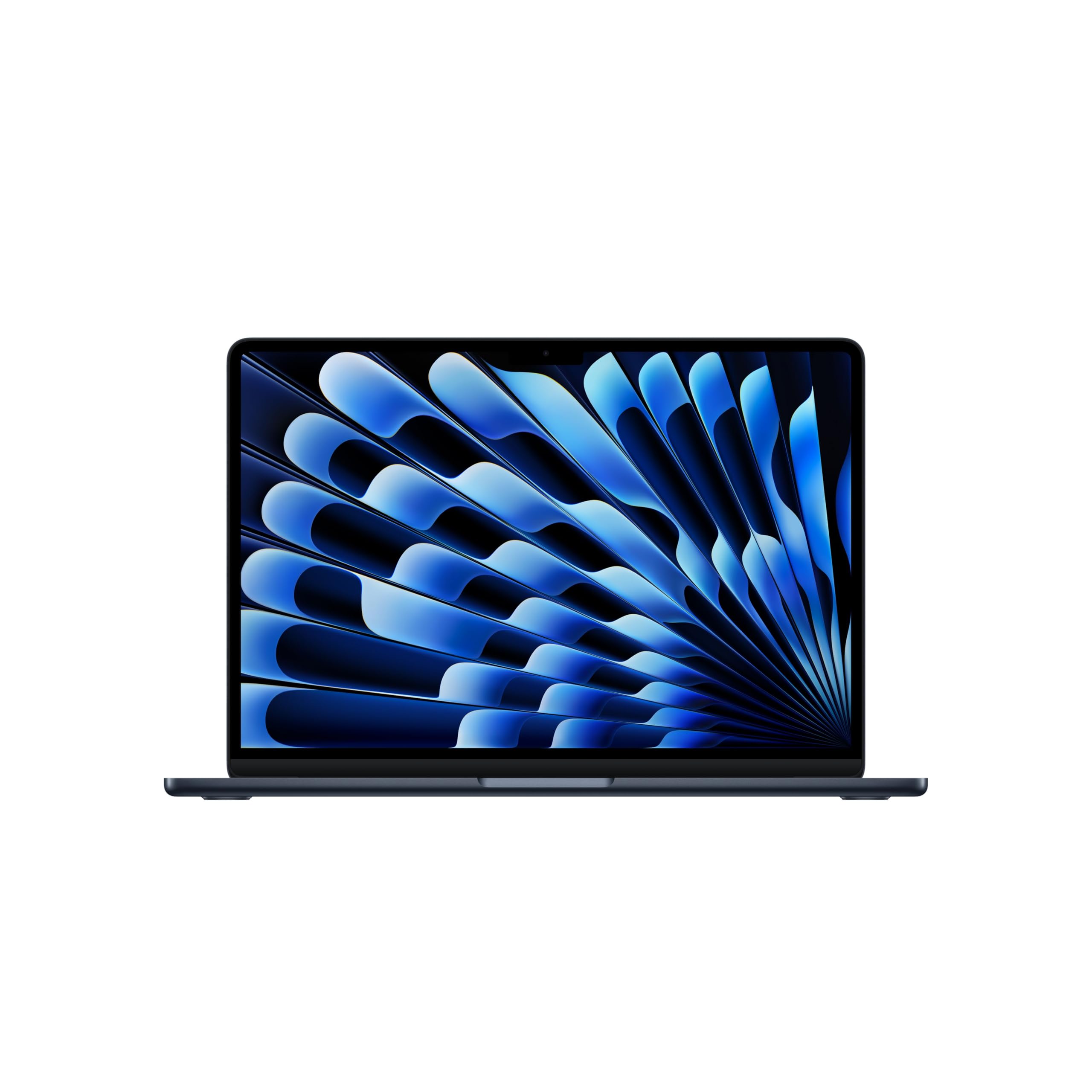 |
Apple M5 chip, 10-core CPU | 16 GB Unified Memory | 512 GB SSD | Up to 18 hours video streaming |
| Apple 2026 MacBook Neo 13-inch Laptop with A18 Pro Chip |
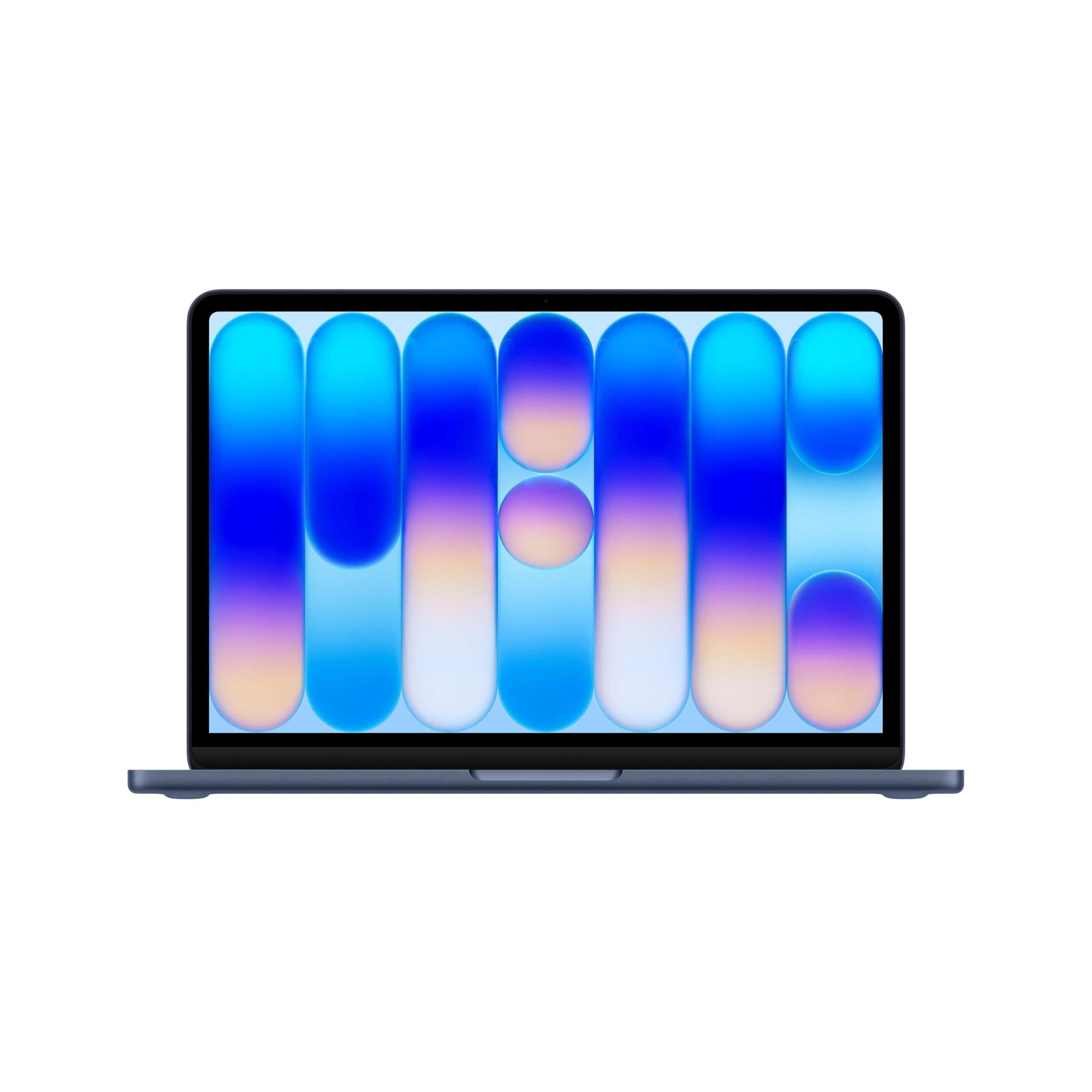 |
Apple A18 Pro, 6-core CPU | 8 GB Unified Memory | 256 GB SSD | Up to 16 hours video streaming |
| Samsung 14″ Galaxy Chromebook Go Laptop |
 |
Intel Celeron N4500 | 4 GB | 64 GB | Up to 12 hours |
| Dell 16 Laptop DC16251 with Intel Core 7 |
 |
Intel Core 7 150U | 16 GB DDR5 | 1 TB SSD | N/A |
| HP OmniBook 3 17.3 inch Laptop PC |
 |
AMD Ryzen 3 30 | 8 GB | 512 GB SSD | N/A |
| HP Laptop Computer for Students, 2026 Edition |
 |
Intel Processor N150 | 8 GB | 128 GB UFS | N/A |
| Acer Aspire 14 AI Copilot+ PC |
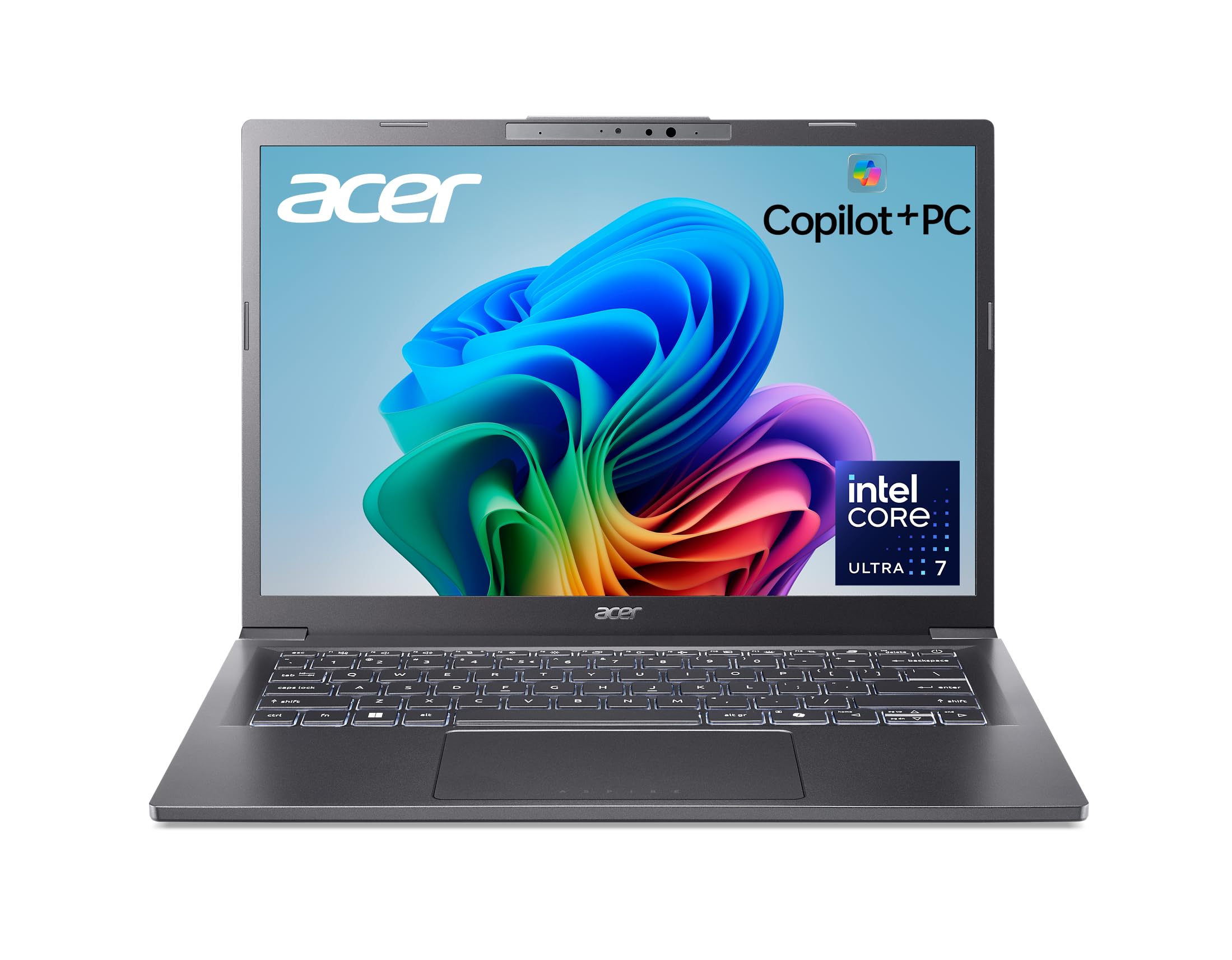 |
Intel Core Ultra 7 256V | 16 GB LPDDR5X | 1 TB SSD | Up to 22 hours |
This Roundup is reader-supported. When you click through links we may earn a referral commission on qualifying purchases.